
How Long Does a Tan Last (and Exactly Why It Fades)
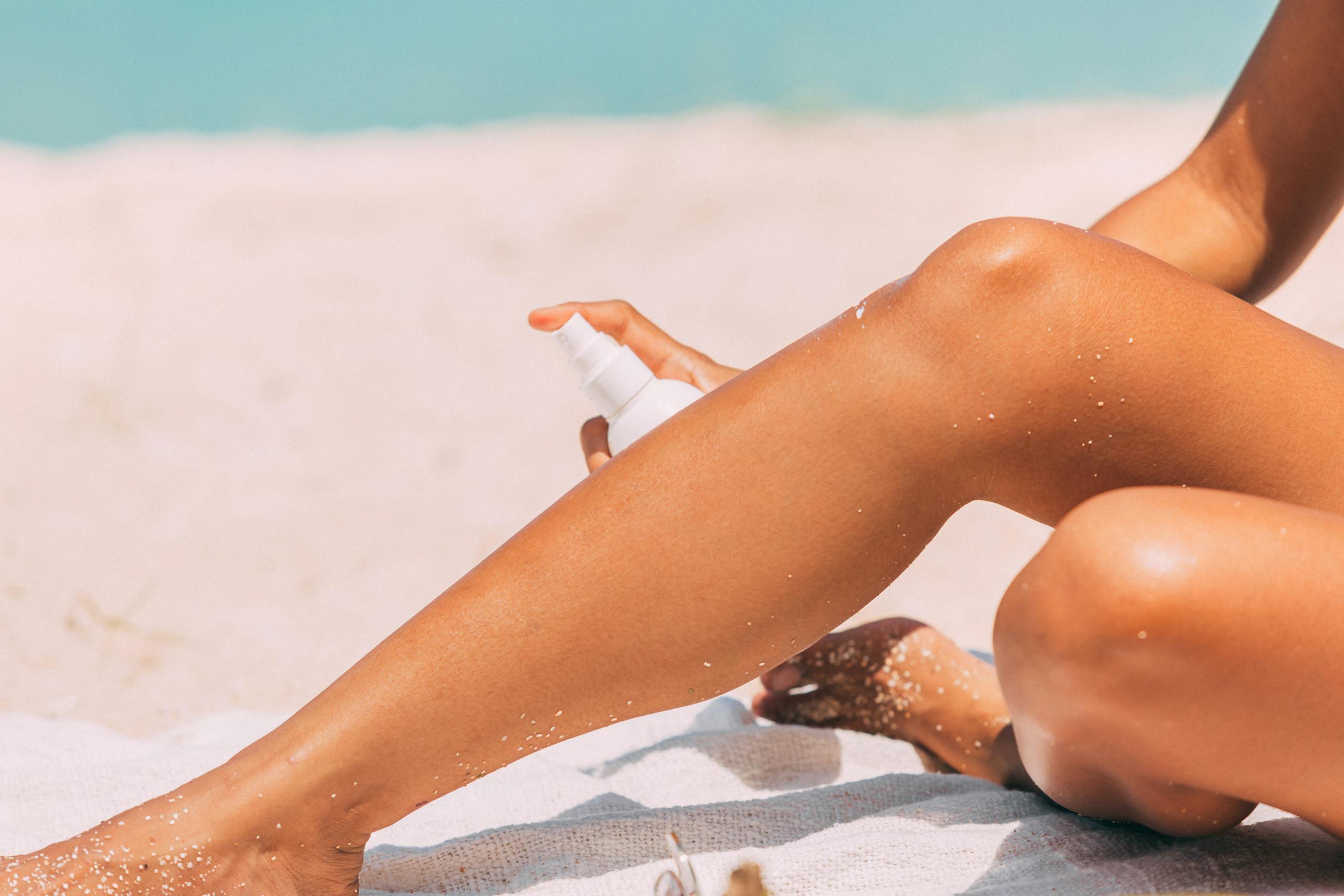
How long does a tan last? Usually, a natural tan looks strongest for a few days to about two weeks, with leftover color sometimes hanging on closer to three to four weeks. But there is no single clock. What you see depends on how deep the color got, where it sits on your body, and how quickly normal skin turnover outpaces it.
The short answer: most tans stay visible for days, not forever
A natural tan is temporary because visible color only lasts while darkened surface cells remain on the skin long enough to be seen. For many people, a very light one-off tan starts losing its peak look within a few days and may be hard to notice after about a week. A more established tan built over repeated sun exposure often stays visible for one to three weeks, and sometimes a bit longer on slower-fading areas such as the outer arms or lower legs.
The main reason lifespan estimates feel inconsistent is that people mean different things when they ask the question. Peak color is the rich, fresh look you notice right after a sunny weekend or vacation. Still-visible color is the softer, duller bronze that remains after the first drop-off. Fully faded means your skin has mostly returned to its usual tone, with only faint differences in certain zones if you look closely. Those are three different moments, and they can be separated by several days.
A light afternoon tan, a deeper vacation tan, and a tan that has been maintained over time do not behave alike. The light tan tends to look good briefly, then flatten fast. The deeper vacation tan often has more staying power, but it can also fade unevenly because some areas shed faster than others. A maintained tan can appear to last much longer, not because one session changed the timeline, but because new color keeps offsetting what daily turnover is removing.
What actually decides how long your tan lasts
How much color you built in the first place
The first lever is simple: deeper visible color usually takes longer to disappear than a faint surface shift. A weekend tan that barely changes your baseline often looks best for a short window, then slips away quickly because there was not much contrast to begin with. A moderate tan built over several sessions starts from a stronger visual point, so even after the first fade, enough color remains for the bronze tone to stay noticeable.
You can usually see this difference in the fade curve. Light color drops off sharply because a small loss makes a big visual dent. Richer color fades too, but it has more room to soften before it stops being obvious.
Your natural tanning ceiling
Not everyone develops the same amount of visible pigment from similar exposure. This is largely explained by why some people tan faster than others and how pigment biology sets individual limits.This matters because longevity is tied to contrast. If your skin only shifts a little from its starting tone, the tan may technically remain for days, yet look gone much sooner because the remaining color is subtle.
Visually, this is why two people can come back from the same trip with different timelines. One still looks bronzed after ten days at home. The other seems to lose most of the effect in less than a week, even if both had similar sun time.
Where the tan sits on your body
Body zone changes everything. The face often fades first because it is washed more often, exposed to more routine care, and tends to cycle through surface cells faster. Hands also lose color quickly for obvious reasons: frequent washing, friction, and constant contact. By contrast, outer arms, shoulders, and lower legs may hold visible color longer, especially if they are not being scrubbed or shaved as often.
High-friction spots usually look patchier before they look lighter overall. Think underarms, knees, inner thighs, waistbands, bra lines, sock lines, and anywhere fabric rubs repeatedly. Low-friction areas may fade more evenly, which makes them appear to last longer even when the same amount of color has technically been lost.
How much your routine strips the surface look
Your routine can speed up or slow down the visible drop. Long hot showers, frequent shaving, rough towels, and repeated rubbing all remove the polished surface look faster. The full guide on how to maintain a tan longer covers exactly which habits make the biggest difference. They do not erase a tan instantly, but they can take the finish from rich to flat much sooner.
Dryness adds another layer. When the surface turns rough or flaky, color reflects unevenly, so the tan looks dull and broken up. A more moisturized surface does not stop fading, but it keeps the remaining color looking smoother, which often makes the tan seem to last longer than it otherwise would.
Why a tan fades even when you do nothing wrong
The visible color is temporary by design
A tan fades because the color you see is tied to skin that is always moving upward and outward. More pigment appears after UV exposure, which darkens the look of the upper layers. Those layers are not fixed in place. They are part of a normal renewal cycle, so the visible bronze is temporary from the moment it appears.
This is why no natural tan lasts indefinitely, even with a careful routine. You are not trying to freeze color in place. You are simply watching a temporary surface effect remain visible until newer skin gradually replaces the older, darker cells above it.
Skin turnover gradually lifts the look
The fade happens in sequence. First, pigment becomes visible in surface layers. Then normal turnover keeps pushing those cells toward the outer edge. As they shed, some of the visible depth goes with them, which reduces contrast and makes the tan look softer. The process continues day after day, so the tan rarely disappears in one jump. It usually moves from vivid, to muted, to faint.
This also explains why the first drop can feel faster than the later fade. The freshest, deepest look sits at the top of the curve. Once a portion of that upper-layer color is lost, your eye reads the change immediately. After that, each day may remove a smaller amount, but the tan keeps looking progressively less defined.
Even if you do nothing abrasive, washing, drying off, dressing, and everyday movement all interact with the surface. None of that means the tan failed. It means normal turnover is doing exactly what it always does.
Some areas fade faster and look patchier first
Uneven fading follows the same logic. Some zones turn over faster, face more cleansing, or deal with more friction, so they lose visible color earlier. The face often lightens first because cleansing and active routines are frequent there. Hands fade quickly because water and soap keep interrupting the surface. Underarms, knees, elbows, and waistband areas can look patchy first because rubbing and texture make the loss less uniform.
Shaving adds another practical factor. Repeated blade contact does not remove all color at once, but it can thin the surface look a bit at a time, especially on the legs. Dry spots do something similar visually. The tan may still be present, yet it looks less even because the surface is reflecting light irregularly.
The key point is cause and effect: faster turnover or more friction leads to earlier surface shedding, which triggers a quicker drop in visible color. That is why two body areas can start at the same depth and end up looking completely different a week later.
Typical tan timelines by tanning pattern
| Tanning pattern | Usual visible duration | How the fade tends to look |
|---|---|---|
| Very light first tan from one outing | About 3 to 7 days, sometimes a little longer | Peak color slips quickly; often looks gone fast because the starting contrast was small |
| Moderate tan built over several sessions | Roughly 7 to 14 days of clear color, with softer leftovers beyond that | More gradual fade; bronze shifts to a lighter beige-brown before blending back toward baseline |
| Deeper vacation tan | Commonly 10 days to 3 weeks, with some areas lingering longer | Strong early drop, then uneven fading on face, hands, knees, and friction zones |
| Maintained tan with periodic top-ups | Can look continuous for weeks as long as new color offsets normal turnover | Less dramatic fading overall; the look stays steadier but still softens between top-ups |
| Self-tan for visual comparison | Often about 4 to 10 days depending on formula and prep | Color sits more on the surface, so it tends to fade with shedding and can patch if skin is dry. Proper prep is the main way to reduce this, see how to prepare skin before self tanning for a full routine. |
No single row in that table is a universal rule. It is a pattern map. The main use is practical: find the scenario that resembles your own tanning pattern, then expect a range rather than a fixed day count.
The other useful contrast is natural tan versus self-tan. Both fade as surface cells shed, but they are not the same event. Natural tanning changes visible pigment after UV exposure; self-tan creates a bronzed look through a surface staining effect. They can appear similar at first glance, yet their build and fade behavior differ enough that their timelines should be judged separately.
How to keep the color looking better for longer
Start with smoother skin, not a last-minute scramble
If you want a tan to fade more evenly, the best improvement often happens before the color is fully in place. A balanced prep routine works better than aggressive, last-minute scrubbing. When rough patches are reduced ahead of time and the surface is comfortably moisturized, color tends to settle into a more uniform look rather than clinging to dry knees, elbows, or ankles.
The key delta is evenness, not miracle longevity. Better prep does not add weeks, but it can make the first week look noticeably cleaner. For many people, that is the difference between a tan that already seems patchy on day four and one that still reads polished on day seven or eight.
Space out exfoliation before tanning rather than attacking the skin the night before. Exfoliating before tanning the right way makes a noticeable difference in how evenly the color settles in.. A smoother base usually leads to a smoother fade curve.
Keep moisture high once the tan is in place
Moisture is the highest-leverage maintenance move because dryness makes color look older than it is. When the surface stays flexible and less flaky, the tan reflects more evenly and hangs onto that fresh look longer. This does not stop turnover, but it can extend the attractive phase of the fade.
A simple daily body moisturizer is usually enough. Consistency matters more than complexity, and how moisturizing helps maintain a tan explains exactly what to look for in a product.. Applied after showering and again to dry-prone zones if needed, it can keep legs, arms, and high-texture areas from turning chalky and broken-looking too early.
This is also where tan-extending body products can make sense. The useful ones are not instant fixes. They simply help support a smoother surface, which can preserve the appearance of depth for a few extra days.
Cut back on the habits that strip color fastest
Some routine changes create a visible payoff quickly. Long hot showers, rough washcloths, harsh body washes, vigorous towel drying, and repeated friction from tight clothing all speed up the loss of that surface-fresh bronze. Pulling back on those habits can make the fade look slower and far more even.
Use a gentler body wash, keep shower temperature moderate, and pat dry instead of rubbing hard. If you shave, expect certain zones to lighten faster and plan around that instead of trying to force the color to stay perfectly uniform. Small changes like these often improve the look more than people expect.
The practical gain is usually measured in appearance quality rather than dramatic extra time. You may not double the lifespan, but you can often avoid the fast, stripped look that makes a tan seem gone before it actually is.
Use top-ups strategically instead of chasing a deeper fade-prone tan
If your goal is a steady bronze look, strategic top-ups beat repeatedly pushing for more and more natural depth. A maintained tan appears longer-lasting because fresh color offsets what turnover removes each day. That approach is more controlled than waiting until the tan is almost gone and then trying to rebuild it from scratch.
For many people, gradual self-tanners are the easiest appearance tool here. If you are new to self tanning, the guide on how to apply self tanner correctly walks through the full routine from prep to finish, just to keep up the look. The result is often less dramatic than a full self-tan, but more consistent and easier to blend into the natural fade.
Choose the top-up based on the problem you are trying to solve. If your issue is dullness, moisturizer may be enough. If your issue is disappearing contrast, a gradual self-tanner can restore some bronze. If the problem is patchiness, fix dryness and friction first, because extra color layered onto a rough surface usually makes uneven spots more obvious. The smartest tan maintenance routine is rarely the deepest one. It is the one that keeps the fade looking intentional right down to the wrists, knees, and the last bit of color on your shins.