Home » Tanning Science

Tanning Science

Understand the science behind tanning — how UV exposure, melanin, and skin type affect your results. Clear, practical explanations to help you tan smarter.
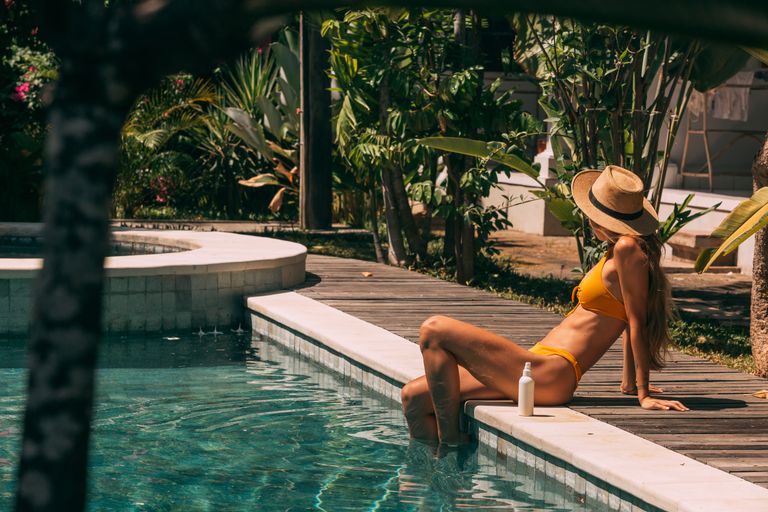
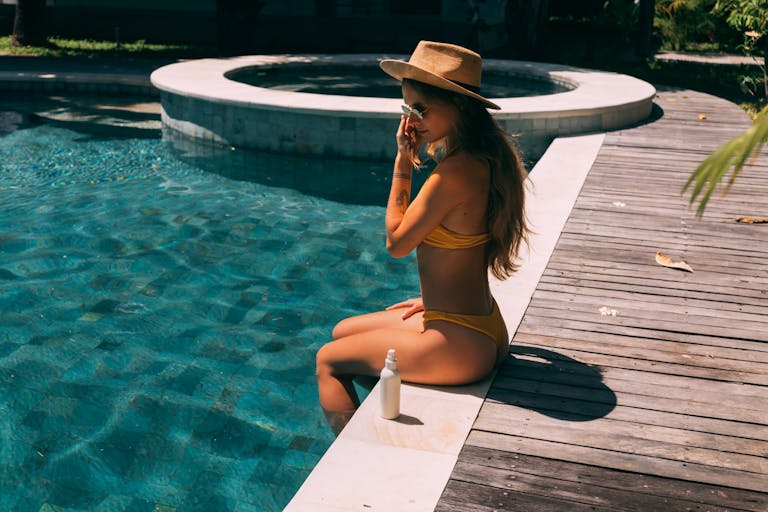
    A woman sunbathing after using a tanning accelerator

    What Is a Tanning Accelerator and How Does It Work

    Tanning accelerators need UV to work. Here is what L-Tyrosine does in your skin, how accelerators differ from bronzers, and whether they actually deliver results.
    Read More
    Young woman in bikini enjoys sunny day by the pool, wearing a fedora hat and sunglasses.

    Why Does My Tan Fade So Fast: What’s Removing Your Color

    A tan that disappears in 2-3 days is being stripped by your daily routine. Hot showers, chlorine, and dry skin accelerate surface cell shedding. Here is what to change.
    Read More
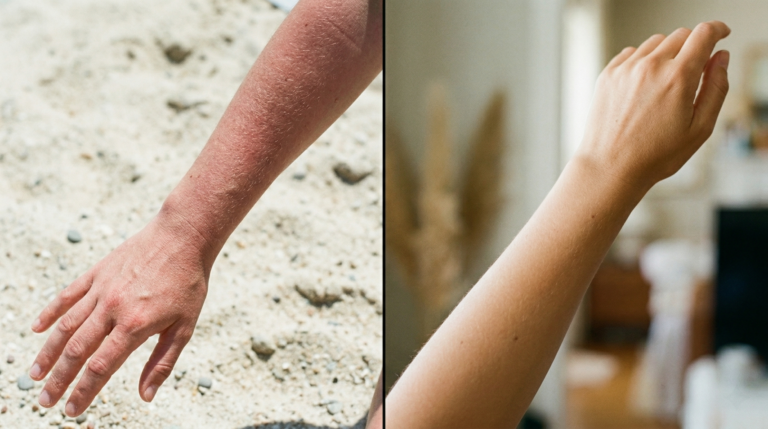
    Before and after comparison of pink sun-flushed skin versus golden tan on forearm

    Why Do I Burn Instead of Tan: How to Fix It Fast

    Always burning instead of tanning? Here’s what’s actually causing it and the simple changes that fix it in your next session.
    Read More
    Two women sunbathing on a tropical beach, applying sunscreen for skin protection.

    Why Am I Not Getting Tan: 5 Reasons and How to Fix Each One

    If you keep asking why am I not getting tan, check five practical causes: timing, prep, skin type, SPF, and color development.
    Read More
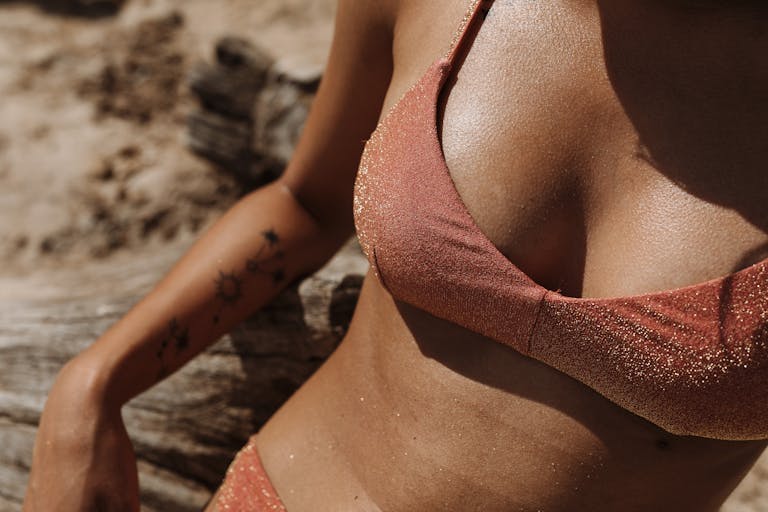
    Close-up of a woman sunbathing in a glittery swimsuit on the beach.

    UV Rays and Tanning: What Drives Your Bronze Results

    Learn how uv rays and tanning really work, from quick pigment darkening to delayed melanin buildup, so you can set clearer tanning expectations.
    Read More
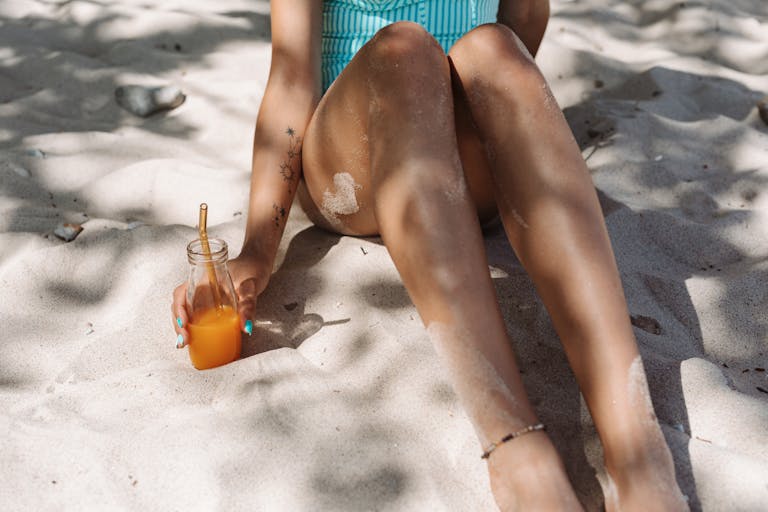
    Relaxing beach scene with a woman holding juice, capturing summer vibes.

    What Causes a Tan: The Skin Response Behind the Glow

    Know what causes a tan: UV triggers melanin changes in the skin. Learn the difference between redness, immediate darkening, and delayed tanning.
    Read More
    An excited woman in a black bathing suit enjoys a playful moment with seagulls on a sunny beach.

    Best UV Index for Tanning: The Range That Builds Real Color

    UV 3 to 5 produces the most consistent color for every skin type. Session windows by UV level and Fitzpatrick type, plus why chasing the peak number works against you.
    Read More
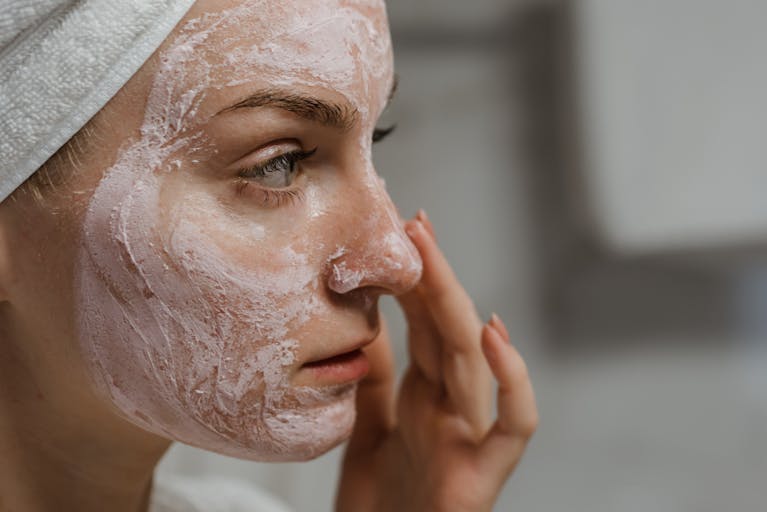
    Close-up of a woman applying facial cream as part of her skincare routine, enhancing skin health.

    Tanning and Skin Aging: What Changes in Your Glow Over Time

    Learn how tanning and skin aging connect over time, from firmness loss to uneven tone, and compare UV tanning with self-tan.
    Read More
    Elegant close-up of a woman's bare feet and hands touching delicately outdoors.

    Can Pale Skin Tan Naturally? What to Expect From Your Glow

    Can pale skin tan naturally? Learn how much color fair skin can develop, why results vary, and when self-tan gives a better payoff.
    Read More
    Detailed view of a woman sunbathing on the beach, showing swimsuit and tattoo.

    How Long Does It Take to Tan? Timing Your First Glow

    How long does it take to tan? Learn realistic timing by method, from first tint to deeper color, and see which route gives faster, steadier results.
    Read More

No more articles! Good job :)

No more articles! Good job :)