
How long does spray tan last? Duration, fades, and upkeep
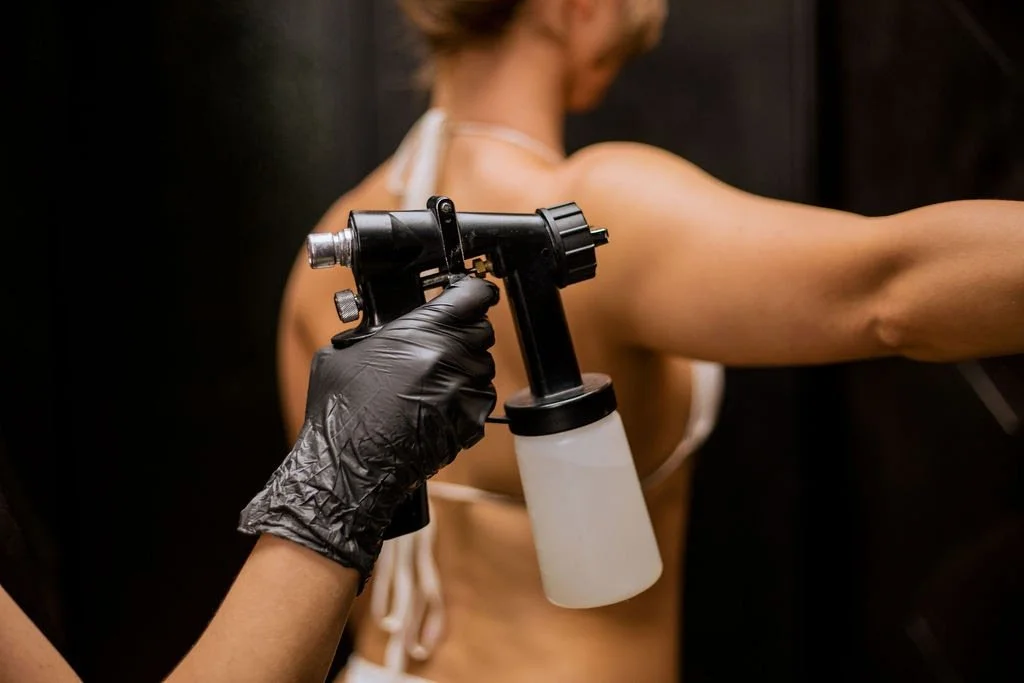
Most people asking how long does spray tan last can expect the best-looking result for about 5 to 7 days, with some fading sooner and some holding closer to a week. The real answer is not just total duration. It is how the color develops, when it peaks, and whether the fade stays even enough to keep looking polished.
Most spray tans last 5 to 7 days, but the useful window is really three phases
A spray tan is easiest to manage when you stop thinking of it as one fixed block of color and start thinking of it as a short timeline. Phase one is the development period, which starts right after application and continues until the first rinse and the hours after it. During this stage, the surface color can look deeper than the final result because bronzer, solution residue, and active ingredients are still settling. Phase two is the best-color window. For most people, this is where the tan looks most balanced, most intentional, and most camera-ready. Phase three is the fade window, when the color is still visible but starts to thin out, especially in faster-shedding areas.
This matters because visible color and good-looking color are not the same thing. A spray tan may still be noticeable on day eight, but that does not mean day eight is part of its prime. Often, the most useful window is shorter than the total lifespan of any remaining tint. If your goal is appearance performance rather than simply hanging onto color, the target is usually the middle of the cycle, not the final day.
The range moves because spray tans are surface-bound results. They sit on the outer layer, and that layer is constantly shedding. Color drops off faster when the tan starts unevenly, when certain zones dry out, or when early care strips the surface before it has settled. It also looks like it lasted longer when the fade is smooth, because a soft decline is much easier to wear than a patchy one. In practice, longevity is partly about time and partly about quality control across those three phases.
Why one spray tan fades in four days and another still looks good at day seven
Formula depth and rinse timing change the starting point
Two tans can fade at the same rate and still seem completely different by day five because they did not start from the same place. A deeper solution creates more initial intensity, which can make the result look longer-lasting even if the surface is shedding on the usual schedule. Lighter formulas often reach a cleaner, more natural peak, but because there is less visible depth at the start, the fade becomes noticeable sooner.
Rinse timing adds another variable. The result develops over several hours, and the amount of time before the first rinse influences how much visible color remains at the start of the wear cycle. A shorter rinse window can produce a softer finish, while a longer one can deepen the appearance. That deeper start does not automatically mean a better outcome, because extra intensity can exaggerate dry patches or make later fading more obvious. What changes is the starting point, which changes how long the tan appears to hold.
Skin turnover and dry zones create uneven fade speed
Spray tan fades unevenly because the body does not shed evenly. Hands, feet, elbows, knees, and underarms often lose color faster because those areas deal with more washing, more friction, more movement, or a rougher surface. When the outer layer turns over more quickly in one zone than another, the color disappears there first, which makes the overall result seem shorter-lived even if smoother areas are still holding well.
Dryness sharpens this difference. A dry elbow or knee sheds in a more visible way because the surface is not laying flat, so the color catches on texture and then breaks apart as that texture flakes off. By contrast, calmer areas like the outer arms, lower legs, or torso often keep a more even finish for longer. This is why some people say their spray tan lasted a full week while also complaining that their hands looked off by day three. Both observations can be true at the same time.
Prep quality decides how evenly the color grabs
The tan lasts better when the surface it lands on is consistent. Exfoliation helps because it removes built-up roughness, which gives the formula a more uniform layer to bond with. If that step is skipped, the solution can cling harder to some patches and barely take to others. The result may look dark at first, but it will usually fade in pieces rather than in a clean gradient.
Shaving timing affects the starting surface too. If shaving happens too close to the appointment, the skin may be freshly disturbed in a way that changes how the color settles. If it happens too late, new roughness may already be forming by the time the tan goes on. The most durable-looking results usually come from a balanced surface: smooth, dry, and free from residue, but not freshly overworked. Prep does not just influence whether the tan goes on evenly. It decides whether the later fade will look controlled or chaotic.
Water, sweat, friction, and product contact accelerate drop-off
Wear time shortens when the outer layer is pushed to turn over faster or gets rubbed down before the color has fully settled into its cycle. Showers do this through water exposure and cleansing agents. Heat and sweat do it by keeping the skin damp and active, especially early on. Tight leggings, sports bras, waistbands, and shoulder straps do it through repeated contact in the same spots. Each factor removes a little from the surface, and the cumulative effect is what turns a seven-day-looking tan into a four-day one.
Product residue matters as well. Heavy oils, rich body products, and cleansers that leave a noticeable film can interfere with how cleanly the color wears. Some break down the finish faster, while others make certain zones fade oddly because they are not distributed evenly. The key point is mechanical: the tan sits on the top layer, so anything that softens, scrubs, dissolves, or rubs that layer speeds up visible loss.
What spray tan fading usually looks like from day 0 to day 8
| Time frame | What the color usually looks like | What changes are normal | What this means for planning |
|---|---|---|---|
| Day 0, right after application | Deeper, glossier, and sometimes darker than the final tone because surface bronzer is still present | Mild transfer to loose clothing and a slightly overdone look before the first rinse are common | Do not judge the final outcome yet. This is a setup stage, not the peak for photos or events |
| Day 1, after first rinse | Color usually softens and looks more believable, though it may continue settling over several hours | Some bronzer washing away can make people think the tan disappeared when the developed shade is still forming | Often a strong timing choice for next-day events, especially if you prefer a cleaner finish over maximum depth |
| Day 2 | Frequently the most balanced day, with even warmth and fewer signs of fresh application | Edges around wrists, ankles, or dry patches may need light moisture if they start looking sharper | Excellent for photos, parties, weddings, and any event where you want the color to look settled |
| Day 3 | Still close to peak for many people, though faster-fading zones may begin to soften first | Hands, underarms, knees, and feet may lose a touch of depth before larger areas do | Still a strong event day. Good if you need a natural look rather than the deepest possible result |
| Days 4 to 5 | Color is usually still attractive overall but less fresh, with more noticeable variation between body zones | Fade becomes visible in high-contact areas, while torso and outer limbs may still look strong | This is the maintenance zone. Moisture balance and gentle washing matter more if you want a polished fade |
| Days 6 to 7 | Many tans are now in late fade, though well-prepped and well-maintained results can still look good | Patchiness is more likely if the starting application was uneven or if friction has been high | Fine for casual wear, but less reliable for major photos unless you top up lightly or plan a refresh |
| Day 8 and beyond | Usually some visible warmth remains, but the finish often looks inconsistent rather than intentionally bronzed | Residual color may linger in drier areas after smoother zones have mostly cleared | Best treated as the end of the cycle. For polished results, either refresh strategically or reset fully |
The upkeep moves that extend wear time without making the tan look heavier
Protect the developing color in the first 24 hours
The first day has outsized influence because the tan is still settling into its usable shape. If the first rinse happens too early for the formula you chose, the final result may peak lighter and feel short-lived. If it happens too late, the tan can start too dark, which makes later breakdown more obvious. The goal is not maximum darkness. It is getting the intended tone to develop cleanly so the next several days start on a balanced note.
Water temperature matters because hotter water softens and loosens the surface faster. Towel pressure matters because rubbing removes more than blotting. Overhandling matters because repeated contact in the first day can create early weak spots that become visible by day three. Small changes here can improve the useful life of the result not by adding extra depth, but by preserving a more even top layer.
If you want one practical rule, keep the first day low-friction and low-drama. Gentle rinsing, patting rather than scrubbing, and loose clothing do more for the best-color window than chasing a darker look ever will.
Keep moisture level steady through the middle of the wear cycle
A spray tan tends to fade more gracefully when the skin stays evenly hydrated. Not overloaded, not stripped, just steady. Lightweight moisturizers and tan extenders help because they keep dry zones from turning flaky and drawing attention to the fade line. This does not make the tan permanently stronger. It makes the surface more consistent, which keeps the decline smoother.
Cleansing should follow the same logic. A gentle body wash is useful because aggressive formulas pull the surface down faster, especially when paired with long hot showers. Friction compounds the problem. A rough towel, repeated shaving passes, or clingy workout clothes can all make one side of the wear cycle collapse before the rest catches up.
The improvement here is usually visual rather than dramatic in total days. You may only gain a day, sometimes less. But the middle of the cycle often looks noticeably better because the tan fades in a softer gradient instead of in sharp dry patches.
Choose a light top-up strategy instead of waiting for a full reset
Top-ups work best when they support the existing fade curve instead of trying to overpower it. A gradual tanner can make sense around days four to six if the tan is still even but losing depth. A refresh spray or tan extender can help maintain continuity when the color is thinning uniformly. These tools perform well when the base is still tidy enough to build on.
They perform poorly when the tan has already broken into patches. In that situation, adding more color often makes the unevenness easier to see because darker areas get darker first. A small refresh appointment can be smart if the original tan is mostly intact and you need a few more polished days for travel or events. If the fade is already fragmented, letting it wear down cleanly and then starting over usually looks better than forcing extra depth onto a messy base.
The strongest adjustment is often restraint. Maintain what is still working, top up lightly where the fade is smooth, and stop before the result starts looking heavier than the original finish.
When to book a spray tan based on your event and how long you need it to carry
If you need peak color for one specific day
You should book around the point that gives you the best-color window on the day that matters, not simply the most color. For many events, that means scheduling the appointment one to two days ahead. This gives the tan time to develop, rinse cleanly, and settle into a more natural-looking tone. If your wedding, party, shoot, or dinner is on Saturday, a Thursday or Friday appointment is often the stronger call than doing it at the last minute and hoping the fresh application reads well under lights or in photos.
The decision becomes easier if you ask one direct question: do you want the tan at its deepest or at its most believable? Deepest often happens earlier in the cycle, while most believable tends to arrive after the first rinse and a little settling time. For cameras and close-up interaction, the second option usually wins. If you are new to spray tanning, leaning toward the settled phase is more forgiving than trying to catch the first intense stage.
If you need the look to stretch across a trip or several events
You should plan differently when the job is not one peak day but a longer carry window. For vacations, festivals, multi-day work travel, or a run of events, book so the opening days of the trip land near your best-color window and the later days fall into a controlled fade rather than a collapse. That often means tanning shortly before departure, then supporting the middle of the cycle with a lightweight moisturizer, gentle body wash, and possibly a subtle top-up product if the fade stays even.
Do not expect the color to look identical from day one to day six. That is the wrong benchmark. The better benchmark is whether the tan moves from peak into fade without obvious breaks at the hands, knees, feet, or underarms. If you need a week of polished wear, a refresh plan matters almost as much as the appointment itself. A compact gradual tanner or tan extender can be useful travel support, while a full reset is better saved for after the trip unless the original result has already worn down cleanly.
The smart booking mindset is simple: aim your appointment at the day you need to look best, then manage the next few days so the fade stays intentional. A spray tan rarely wins by staying darkest the longest. It wins by looking even at the exact moment people are going to notice it.