
Moisturizing for Tanning: Keep Your Glow Looking Fresh Longer
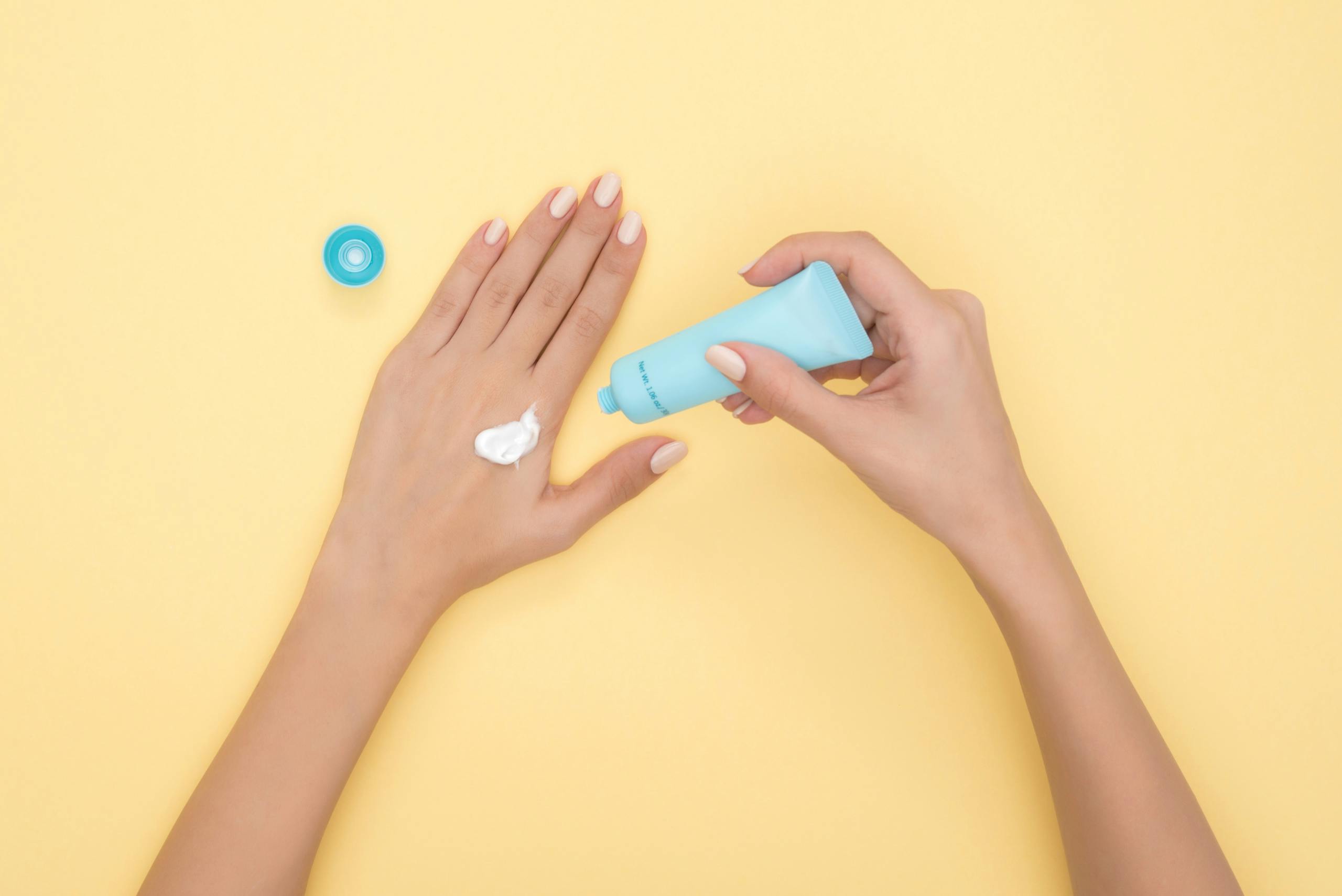
A tan may look deeper on smooth, well-moisturized skin, but moisturizing for tanning does not create extra color. What it does is more useful for maintenance: it keeps the surface more uniform, so existing color fades with less roughness, less patchiness, and a fresher-looking finish for longer.
Moisturizer helps preserve a tan, but it does not make you tan more
The false belief is simple: moisturizer makes you tan darker or faster. It does not. Color development and color preservation are two different jobs, and confusing them leads to the wrong routine. A moisturizer cannot add pigment to a self-tan and cannot manufacture more UV-built depth after the fact.
Its real value shows up later, not during color creation. When the skin surface gets dry, the tan stops looking polished even before much color is truly gone. Texture turns slightly rough, dry zones start catching light unevenly, and the overall finish looks flatter. That is why people often think their tan is disappearing faster than it is.
Moisturizer preserves appearance, not production. It helps existing color stay visually smoother, more even, and less blotchy as the outer surface wears down. If your goal is a tan that still looks clean on day four, day six, or day eight, this distinction matters more than any claim about “boosting” the tan itself.
What moisture changes in the way a tan wears over time
Dry surface cells make color break up sooner
A tan starts looking uneven because dryness changes how the outer surface behaves, which triggers a rougher, more fragmented fade pattern. When the top layer loses flexibility, it does not wear in a smooth visual sheet. It sheds in a more irregular way, and color starts to look interrupted rather than evenly reduced.
This is why a dry tan often appears dull before it appears light. The issue is not only that some color is leaving. The bigger visible problem is that the surface becomes inconsistent, which makes depth look broken up across the skin. On shins, forearms, and chest especially, even mild roughness can make the finish seem older than it is.
Moisture keeps the surface smoother, so the tan looks more even
Moisture improves visual continuity because a better-conditioned surface reflects light in a more regular way, which makes the tan read as smoother and more polished. The color may be the same depth, but it looks better organized across the skin. That difference is what many people describe as a tan looking “fresh.”
The improvement is often subtle up close and obvious at a glance. Skin that feels less tight and looks less ashy tends to show fewer abrupt tonal jumps. Instead of dry patches grabbing attention, the eye reads the tan as one clean layer. That is a maintenance win, even if no extra darkness has been added.
Why both self-tan and UV-built color benefit from consistent moisturizing
The mechanism is similar in both cases because the visible result depends on the condition of the outer surface, which controls how evenly the color presents over time. Self-tan sits on the topmost layer and fades as that layer wears away. UV-built color develops differently, but its day-to-day appearance still drops off faster when dryness makes the surface look coarse and uneven.
So while the source of the color is different, the preservation logic is shared. A consistent moisturizer does not turn one kind of tan into the other. It simply supports a cleaner fade pattern. That means fewer dark islands next to pale sections, less dusty-looking texture, and a better chance that the color disappears gradually instead of collapsing in obvious patches.
The body areas that lose visual depth first
Some areas lose the polished look first because they face more friction, more washing, or naturally drier texture, which makes the tan seem thinner there earlier. Elbows, knees, ankles, hands, and feet usually lead the fade pattern. The wrists, knuckles, and the front of the shins are also common drop-off points.
These zones matter because they set the visual tone for the whole tan. If your legs still hold color but your knees and ankles look chalky, the overall result reads uneven. If your arms look good but your hands fade hard at the joints, the contrast becomes distracting. Moisture strategy works best when it accounts for where visual depth disappears first, not just where it is easiest to apply product.
How different moisturizer textures affect tan maintenance
| Texture | Finish on skin | Best use case | Ideal timing | Likely effect on tan appearance |
|---|---|---|---|---|
| Lightweight lotion | Quick-absorbing, low residue, soft natural sheen | Daily all-over use in mild weather or for skin that does not get very dry | Morning or right after a shower on slightly damp skin | Keeps broad areas smooth without feeling heavy; helps maintain an even fade on arms, legs, torso |
| Cream | Richer, more cushioned, slightly more visible finish | Normal to dry skin, cooler climates, or when the tan starts to lose polish midweek | Post-shower and evening touch-up on drier zones | Adds more surface comfort and reduces rough-looking patches before they become obvious |
| Body butter | Dense, occlusive feel, higher slip and shine | Very dry areas such as elbows, knees, ankles, feet, and hands | Night use or targeted application after bathing | Helps stubborn dry spots stop stealing visual depth; too heavy for full-body use on some people |
| Oil-led formula | Glossy, reflective finish, can sit on top longer | Finishing layer for limbs, quick cosmetic boost, dry climates, or when the tan already looks slightly flat | After lotion or cream has settled, often evening or before exposure of legs and arms | Boosts glow fast and improves light reflection; best as a complement, not always the main moisturizer |
No single format wins everywhere. A lightweight lotion can outperform a richer formula on humid days because you are more likely to apply it consistently. A body butter can be excellent on ankles and poor on the chest. The right texture depends on body area, climate, and how quickly your surface tends to dry out between showers.
Heavier is not automatically better. If a product feels sticky enough that you skip it, its theoretical richness does not matter. Tan maintenance responds well to fit: lighter layers where coverage needs to be broad and fast, denser textures where roughness is concentrated and visually disruptive.
A moisturizing routine that helps the glow stay fresh longer
When to moisturize after tanning
Start with timing, because that changes results more than random reapplication later. If you use self-tan, let it complete its set window first according to the product directions. Applying moisturizer too soon can interfere with how evenly that first layer settles, especially on hands, knees, and ankles where excess product tends to collect.
After that initial phase, move into maintenance mode. The strongest daily moment is usually after bathing, when the skin has been cleansed and the surface is still slightly damp. At that point, moisturizer spreads more evenly, seals in a smoother finish, and reduces the dry rebound that can make a tan look older by the end of the day.
If your color comes from UV exposure rather than self-tan, the same post-shower timing still matters. The goal is not to “lock in” color in a dramatic sense. The goal is to keep the surface from shifting into a rough, faded-looking state between one day and the next.
How often to apply through the day
Keep the cadence practical. One well-timed application after your shower often does more for tan appearance than several scattered layers applied to fully dry skin. That first pass sets the tone for how smooth the tan will look over the next several hours.
Add a morning layer if you shower at night, or an evening layer if you shower in the morning. Most people do well with one main application and one lighter follow-up rather than constant reapplication. The routine should feel repeatable, not high maintenance.
Touch up only where the finish starts to drop. Hands after washing, shins in cold weather, or ankles after friction from socks are common examples. Strategic top-ups preserve visual balance without coating the whole body again.
How to adjust by body zone instead of using one approach everywhere
Next, divide the body by fade behavior. Broad areas such as arms, thighs, stomach, back, and calves usually respond well to thinner, more even layers. These sections benefit from consistency and spreadability more than maximum richness. A lotion or medium cream often keeps them looking polished without buildup.
Dry-prone zones need a different move. Use a richer cream or butter on elbows, knees, ankles, heels, hands, and any place where texture shows early. These are the areas where tan depth seems to vanish first because dryness makes the surface look pale and broken up. Giving them extra support helps the whole tan fade in a cleaner way.
Finally, treat glow and preservation as related but separate. If the body already feels smooth but the finish looks flat, a thin oil-led layer on exposed limbs can improve light reflection. If the skin feels rough, shine alone will not solve the problem. Texture support has to come first, then finish enhancement.
If your tan still looks patchy, identify what is working against your moisturizer
Fast fade is often caused by routines that strip the surface
The problem may not be your moisturizer at all. Fast fade often comes from habits that keep undoing it. Long hot showers, aggressive cleansing, rough towel drying, and skipping product right after bathing can all pull the surface toward dryness faster than one daily application can correct.
The fix is usually mechanical, not dramatic. Shorten shower time, lower the water temperature, switch to a gentler body wash, and apply your moisturizer while the skin is still slightly damp instead of waiting until later. When those changes line up, the tan often stops looking tired so quickly.
Watch friction as well. Tight clothing, repeated rubbing at the inner thighs, socks against ankles, and frequent hand washing can make certain zones fade out of sync with the rest of the body. If one area breaks apart first every time, look at what touches it all day, not only what you apply to it.
Patchiness usually comes from mismatch, not lack of product
More product is not always the answer. Patchiness usually happens because the texture is wrong for the area, the timing is inconsistent, or the driest zones are being treated exactly like the easiest ones. A thin lotion everywhere can leave knees and ankles behind. A dense butter everywhere can feel excessive and reduce routine consistency.
The fix is to match product weight to body zone and to apply with a stable rhythm. Broad coverage areas need something you will actually use every day. High-fade points need extra richness before they start looking chalky, not after. If the tan already looks broken at the joints, you are correcting late rather than preserving early.
A balanced routine usually performs better than an intense one. Keep the approach consistent, targeted, and measured. When the surface stays smooth in the places that normally fail first, the tan does not just last longer. It looks deliberate right up to the point where it fades away.