
Use Tanning Oil: Precision Steps for Better Glow
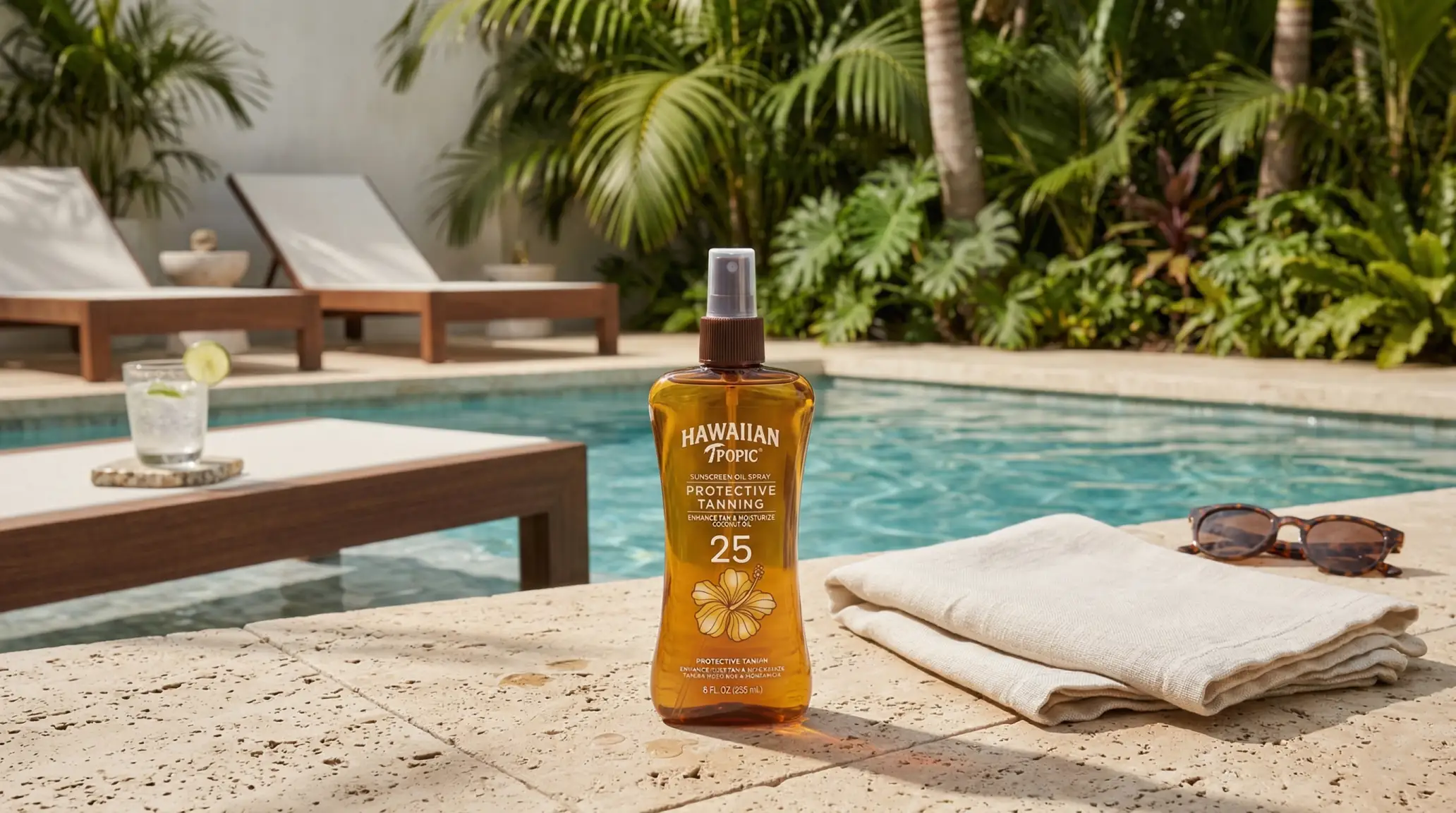
How to use tanning oil for a better, more controlled glow
To use tanning oil safely for a better glow, apply a light, even coat to clean, dry skin, let it settle before you get into full exposure, and control your session instead of soaking your skin in product. The payoff is smoother color, less patchiness, and a finish that looks polished rather than greasy.
Time needed: 20 minutes
This guide walks the reader through a controlled tanning oil routine that improves glow, coverage, and session efficiency. By following the steps in order, the reader can apply tanning oil cleanly and get more even, lasting-looking results.
- Prep your skin and gather your products
Start with clean, dry skin and have your tanning oil, towel, and any optional lip balm or eye protection ready before you begin. A smooth surface helps the oil spread more evenly and keeps the session controlled from the start.
- Apply a light, even layer of tanning oil
Dispense a small amount and smooth it over exposed skin in thin, even passes rather than heavy patches. Focus on consistent coverage so the glow develops uniformly instead of looking streaky or overly shiny in some areas.
- Blend high-friction areas carefully
Use less product on elbows, knees, ankles, and hands, then blend outward so these areas do not grab too much oil. This keeps the finish balanced and prevents darker-looking buildup.
- Let the oil settle before sun exposure
Give the product a minute or two to absorb so it sits evenly on the skin rather than sliding around immediately. This also helps reduce transfer onto clothing, towels, and hands.
- Monitor your session and reapply with control
Keep the session measured and reapply only after swimming, sweating, or towel drying. Use the same light-handed technique each time to maintain an even finish instead of layering too heavily.
Tanning oil works best as a routine, not a rush job. The people who get the cleanest result are not the ones pouring on extra product. They are the ones who prep their skin, spread a thin layer with intention, and pay attention to timing once they start their session. That approach gives you more control over how the finish develops, especially across areas that tend to grab product fast, like elbows, knees, ankles, and the backs of the hands.
This routine is ideal if you want a balanced glow without the slick, overdone look that comes from heavy application. You only need a few basics: a tanning oil that matches the finish you like, clean hands or an application mitt if you prefer less slip, a dry towel nearby, and a moisturizer for after the session. Follow the routine from prep to reapplication, and you can expect more consistent color, cleaner blending, and a result that looks deliberate instead of accidental.
What to do before you apply tanning oil
Preparation sets the quality of the entire session. If your skin starts off clean, your products are within reach, and your timing is thought through before you open the bottle, the application feels smooth and the final glow looks much more controlled.
Start with clean, dry skin
Begin with skin that is freshly washed and completely dry to the touch. If you want the cleanest starting surface, exfoliating before tanning the day before removes the residue and rough texture that cause uneven oil spread, because the formula can slide in one area and cling in another. That is where streaks usually start.
Use a towel and take an extra moment on spots that hold moisture, especially behind the knees, around the ankles, and along the sides of the torso. Before moving on, run your hands over your arms and legs. If your palms feel drag instead of slip, you are in the right zone for an even coat.
Gather the right products before you begin
Set up your products first so you do not interrupt the application halfway through. Put your tanning oil, towel, optional mitt, and post-session moisturizer in one place within arm’s reach. Once the bottle is open and the oil is on your hands, you want to stay in the flow instead of walking around, touching surfaces, or forgetting which area you already covered.
Choose your tanning oil based on how you want the finish to feel. A dry-touch oil suits people who dislike a glossy surface, while a richer formula gives more slip and a more noticeable sheen. Either way, keep a towel nearby for your palms and a second clean surface for sitting later. Small setup details like that make the routine cleaner from the start.
Choose the right moment for your tanning session
Pick a session window you can actually manage instead of squeezing it into a rushed part of the day. The guide on what time of day is best for tanning helps you match your session to the right UV conditions. You want enough time to apply carefully, let the oil settle, rotate positions, and assess whether you truly need more product later. Rushing usually leads to over-application because people try to compensate with extra shine.
At this stage, think in blocks, not in vague plans. Give yourself a few minutes for prep, a few minutes after application for the surface to settle, and a clear session length you can stick to. When the timing is decided before you begin, the rest of the routine becomes much easier to control.
Step-by-step: apply tanning oil the right way
This is the main walk-through. Move in order, treat the body in sections, and keep your hands deliberate. A controlled routine feels slower than spray-and-go application at first, but the result looks far more even by the end of the session.
Step 1: Apply a thin layer across exposed skin
Pour a small amount of oil into your palm, rub your hands together, and start with one body zone at a time rather than coating everything at once. Smooth it over the front of the legs, then the back, then arms, shoulders, and torso, using long strokes instead of quick swipes. The goal is a thin layer that gives light, consistent slip across the surface, not a wet shine that pools in certain spots.
Look at the skin as you go. Even application should leave a uniform sheen with no obvious glossy patches and no dry islands. If one section looks much shinier than the area next to it, do not add more product elsewhere to match it. Spread that extra oil outward until the surface looks balanced. Once that is done, move to the next zone.
Step 2: Blend lighter over elbows, knees, ankles, and hands
High-friction areas need less product than the rest of the body. These spots naturally look deeper faster because texture and movement cause formulas to collect there. If you apply the same amount you used on smooth areas like the thighs or upper arms, the finish can look heavy and uneven even when the rest of the body turns out well.
Use what is left on your hands instead of adding a fresh pour. Glide lightly over elbows, knees, ankles, and the backs of the hands, then feather outward so there is no visible edge between those zones and the surrounding skin. Blend lighter on high-friction areas and you get a cleaner, more natural transition instead of dark-looking joints that pull attention away from the overall glow.
Step 3: Let the oil settle before full sun exposure
After the full-body pass, pause before you lie down or move into full exposure. Give the oil a few minutes to settle into a more even surface layer. This matters because freshly applied product is at its most mobile right away. If you rush from application to a towel, chair, or lounger, the finish can shift before it has had a chance to distribute evenly.
Stand or walk slowly during this settling window and keep your arms slightly away from your sides for a moment if the formula feels rich. The skin should still look conditioned, but not slippery enough to slide across fabric. At this point, you are setting up a more even start, which makes the rest of the session easier to manage.
Step 4: Rotate positions to keep the glow even
Do not stay in one position for too long and assume the color will balance itself later. If you are lying down, rotate at planned intervals. The full guide on how to tan in the sun covers exactly how to structure a balanced session from start to finish. Front, back, left side, and right side should all get their turn so the finish builds with better symmetry.
A simple rotation pattern works best because it is easy to remember. Shift positions every several minutes, and treat each turn as part of the routine rather than an afterthought. If you are seated instead of lying down, change the angle of your legs, arms, and shoulders periodically so the same surfaces are not always taking the lead. The result is steadier color development and fewer areas that look flat next to darker sections.
Step 5: Reapply only when your session actually calls for it
Reapplication should respond to what the product is doing on your skin, not to habit. If the surface still has slip and the sheen remains even, you usually do not need more. Add another light pass only when the original layer has clearly absorbed, when towel contact has removed product, or when a long session makes certain exposed zones look noticeably drier than the rest.
Keep the second pass smaller than the first. Touch up the areas that need it rather than restarting from zero across the whole body. Wipe your palms, reassess the finish, and apply just enough to restore balance. Reapply on a trigger, not on autopilot, and your glow stays cleaner instead of turning slick.
Common tanning oil mistakes that throw off your results
Most uneven results come from execution errors, not from the oil itself. If your finish looks greasy, patchy, or inconsistent, the fix is usually simple and can often be made during the same session.
Using too much product at once
If your skin looks overly glossy in some spots and flat in others, you probably started with more oil than you could spread evenly. Extra product does not create better color. It just makes the surface harder to control.
The quick fix is to stop adding more and redistribute what is already there with broad strokes over adjacent areas. Pull excess away from the shiniest sections until the sheen looks uniform. Prevention habit: start every session with less than you think you need and build only if the surface truly looks dry.
Ignoring high-friction areas
If elbows, knees, ankles, or hands look deeper than the rest of your body, those areas collected too much product. The cause is simple: they were treated like smooth, low-texture zones even though they never behave the same way.
Use clean hands or the light residue left on your palms to feather those spots outward and soften the transition line. For the next pass, do not add fresh oil there unless they visibly need it. Prevention habit: save those areas for the end and blend them with leftovers, not a full pour.
Applying and immediately lying on a towel
If your back, sides, or arms look uneven after a short time, fabric transfer may be the reason. Freshly applied oil shifts easily when it meets a towel, cushion, or lounger too soon.
Stand up, let the surface settle, and then reset any area that looks disturbed with a very light smoothing pass. A towel should support the session, not shape the finish. Prevention habit: build in a brief settling window before you sit or lie down.
Reapplying too often
If the session starts looking heavier instead of better, frequent top-ups are usually the cause. Reapplying on a timer creates layers that sit on the skin rather than improving the overall finish.
Pause and assess first. If the original layer still feels present, leave it alone and focus on position changes instead. Add more only where absorption or contact has clearly reduced the surface. Prevention habit: check for slip, sheen, and dry-looking gaps before every touch-up.
How to keep your glow looking even after the session
What you do after the session affects how polished the result looks by the end of the day and how easy the next session will be to manage. Small adjustments here help the finish stay cleaner and more consistent.
Clean off residue without overdoing it
If your skin still feels coated long after the session, reduce the leftover residue instead of scrubbing the surface aggressively. A light rinse and a gentle cleanse take away excess oil while leaving the overall finish looking smoother and less heavy.
Pat dry rather than rubbing hard with a towel. That small change helps the glow look more refined, especially on the shoulders, chest, and legs where rough drying can make the surface look dull. The practical rule is simple: remove what is sitting on top, not everything that makes the skin look polished.
Moisturize to maintain a polished finish
If the color looks good but the surface starts to feel dry later, add moisturizer after your skin is fully dry. How moisturizing helps maintain a tan explains which products work best and when to apply them. This is the easiest way to keep the finish looking balanced rather than patchy or tired by evening.
Use a product with a smooth, non-sticky feel and spread it lightly across the same zones you tanned, paying extra attention to elbows, knees, ankles, and hands. The visible improvement is usually immediate: the skin looks more uniform, and the glow reads as intentional instead of uneven.
Plan your next session based on how your color develops
If your color deepens quickly, your next session should be shorter or spaced a little farther out. Understanding how long a tan lasts helps you time top-ups before the color drops too far. If it barely changes, keep the application thin but extend the session modestly rather than pouring on more oil. The adjustment should come from timing, not from heavier product use.
Pay attention to which body areas developed fastest and which stayed lighter. That gives you a map for the next round. A shorter pass over high-friction zones and a little more patience on smoother areas usually produces a better overall result than trying to fix everything with one extra coat.