
Can You Tan in Winter? Build a Consistent UV Routine
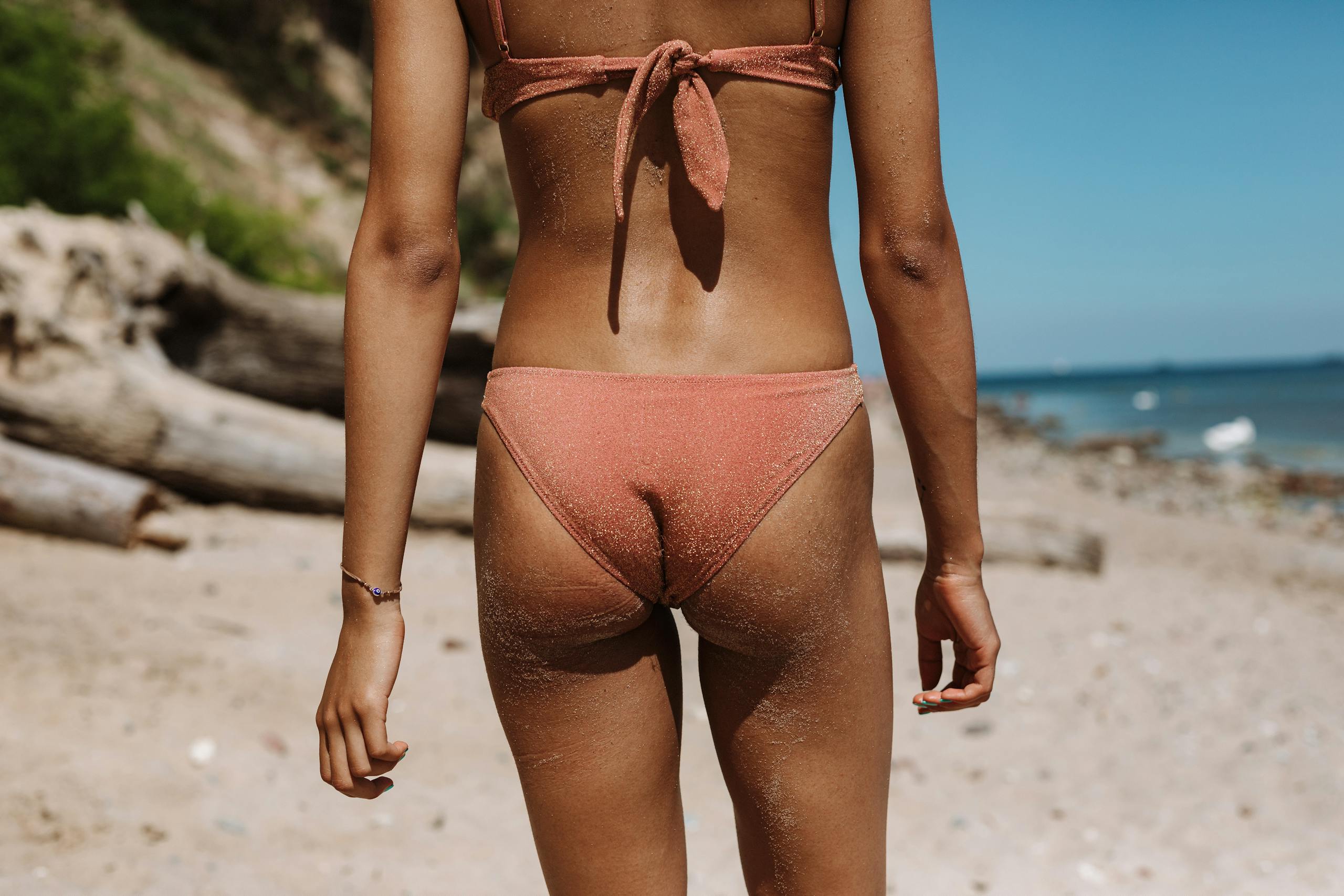
Yes, can you tan in winter has a real answer: you can, but only when usable UV is actually present. Cold air does not shut tanning down. What changes winter results is lower sun angle, shorter days, and location, which often slow color development and make consistency harder than it feels in summer.
Yes, You Can Tan in Winter—But Not Everywhere and Not at Summer Speed
Winter tanning is possible when enough UV reaches you. That is the core point. The season itself is not a hard stop, and a bright winter day can still produce visible color if the conditions line up. What misleads people is that winter often looks sunny while delivering weaker tanning payoff than the same amount of sun exposure would in late spring or summer.
Cold temperature is mostly a distraction. Air temperature changes comfort, clothing choices, and how long you are willing to stay outside, but it does not determine whether tanning happens. The real limiter is UV availability, and that shifts with latitude, cloud patterns, elevation, and where the sun sits in the sky. In some winter settings, especially lower latitudes or higher elevations with clear midday conditions, you can still build color. In others, the effort climbs fast while the visual return stays modest.
Speed is where expectations usually break. Even when winter tanning works, it usually works more slowly and less deeply than summer tanning. You may need more well-timed sessions to get the same cosmetic result, and in some places you will hit a ceiling where outdoor winter conditions simply do not deliver enough intensity to move color much further. The useful question is not whether winter exists on the calendar. It is whether your specific winter setup gives you enough UV to make a routine worthwhile and predictable.
What Changes Winter Tanning Potential Most
| Variable | Effect on tanning potential | What to realistically expect |
|---|---|---|
| Latitude | Higher latitudes usually get a lower winter sun angle, which reduces usable UV and weakens color-building conditions. | Closer to the equator, winter sessions can still produce visible results. Farther north or south, payoff may be slow, faint, or inconsistent. |
| Time of day | Midday typically concentrates the strongest available winter UV. Morning and late afternoon often drop off sharply. | A shorter, better-timed session often outperforms a much longer low-angle session earlier or later in the day. |
| Cloud cover | Heavy cloud can cut already-limited winter intensity. Thin bright conditions may still allow some tanning progress. | Clear or mostly clear days give the best chance of visible color. Gray stretches can stall progress even if you stay consistent. |
| Altitude | Higher elevation can increase UV exposure because there is less atmosphere filtering the sunlight. | Mountain conditions may outperform nearby lower areas, especially on clear days, but results still depend on timing. |
| Reflective surfaces such as snow or water | Reflection can increase total light exposure around you and make bright conditions feel more intense. | Snowy or waterside settings can improve appearance payoff on good days, but they do not fully cancel out weak seasonal UV. |
Why Winter Sun Can Still Produce Color
Temperature Is Not the Trigger
Tanning happens because UV reaches the skin, which triggers pigment response, and that response is tied to light conditions rather than how warm the air feels. A cold, clear day can therefore outperform a mild day with weak winter light. People often assume warmth equals stronger tanning because summer trains that expectation, but warmth and UV are not the same input.
This matters because winter decision-making often starts with the wrong cue. If you wait for a comfortable day instead of a high-payoff window, you can miss the best chance to build color. A crisp midday with bright skies may give you more visible progress than a softer, warmer afternoon that feels nicer but delivers less usable UV. The practical implication is simple: judge winter sessions by light quality and timing first, not by temperature.
Sun Angle Changes Intensity More Than Most People Realize
Winter light weakens because the sun sits lower in the sky, which means sunlight passes through more atmosphere before it reaches you, which reduces the intensity available for tanning. That lower angle also shortens the part of the day when conditions are strongest. As a result, winter often gives you a narrower window for meaningful payoff and a longer stretch of low-return daylight around it.
More time outside does not always solve that problem. If the available UV is modest, stretching a session far beyond the best hours often adds effort without much extra color. This is why winter routines built around long, occasional outings can disappoint. The result-focused move is to concentrate on the strongest window your location offers, then repeat it consistently enough for visible accumulation.
How to Build a Winter UV Routine That Actually Works
Choose the Right Window Instead of Chasing Warm Weather
Start by anchoring your routine to the part of the day with the best winter tanning potential. In many locations, that means midday rather than morning or late afternoon. The logic is straightforward: the sun sits higher, available UV is stronger, and your session has a better chance of producing visible color instead of just taking up time.
Look at local conditions, not the season label. A clear, bright day in a lower-latitude coastal area can be worth planning around. A cloudy day at a high latitude may barely justify the effort. If you want a routine that holds up, build it around recurring opportunity windows, not around random moments when the weather feels comfortable enough to sit outside.
Keep Sessions Consistent Rather Than Occasional and Long
Next, favor repetition over marathon exposure. Winter tanning responds better to a steady rhythm because each decent session adds incremental color, while long gaps let that appearance fade before you build on it. Occasional all-day attempts feel productive, but they often come with poor timing, variable conditions, and weak return on the hours invested.
A controlled routine might mean shorter midday sessions across multiple suitable days instead of a single ambitious outing every two weeks. That approach improves efficiency because you are stacking your best available conditions instead of betting on one oversized effort. In winter, consistency is the performance advantage. It turns a slow season into a manageable one.
There is also a visual reason to keep the rhythm steady. Color developed gradually tends to look more even and predictable than color chased in bursts. If your goal is a maintained glow rather than a one-day spike, routine beats intensity.
Prep Skin for More Even-Looking Color
Then tighten up the surface conditions that affect how color reads. Winter air, indoor heating, and friction from layers can leave texture looking uneven. When the surface is rough or very dry, even modest color can appear patchy, dull, or less polished than it actually is.
Use gentle exfoliation to smooth buildup and keep moisturizer regular enough that the finish looks balanced rather than thirsty. The objective is not to overwork the skin. It is to give natural or added color a cleaner canvas so the result looks more uniform. This becomes more important in winter because the tan itself may develop more lightly, which means uneven texture is easier to notice.
Pay attention to high-friction areas such as elbows, knees, hands, and ankles if you plan to supplement with self-tan. Those spots often hold product differently and can interrupt an otherwise natural-looking finish. Good prep does not create UV, but it improves how the color you get is perceived.
Use Self-Tan to Bridge Low-UV Weeks
Finally, treat self-tan as a bridge, not a separate category. Winter often delivers stretches where outdoor UV is too weak, too brief, or too inconsistent to maintain the look you want. A gradual self-tanner or similar maintenance product can hold visual continuity while you wait for better natural conditions.
This is where many winter routines become practical rather than aspirational. If you insist on outdoor tanning doing all the work, you may spend weeks chasing minimal change. If you combine a smart UV schedule with appearance support on low-payoff weeks, the overall result looks steadier with less frustration. That is not cheating the process. It is adapting to the season.
The most efficient version is simple: use outdoor sessions when conditions justify the effort, then use self-tan sparingly to maintain tone between those windows. You end up with better continuity, fewer dramatic swings, and a routine that matches what winter can realistically deliver.
If You Are Not Getting Color, Here Is Usually the Bottleneck
Your Timing Is Off
The problem is usually not that winter makes tanning impossible. The problem is that you are spending time outside during low-payoff hours. Early and late daylight can feel bright, but the tanning return is often too weak to create much visible change.
The fix is to move your sessions toward the strongest part of the day your location offers, usually around midday. This shift matters more than simply adding more total hours. A focused session in a better window can outperform a long session built around convenience.
If your schedule only allows mornings or late afternoons, expectation-setting becomes important. You may still get some color in favorable climates, but results will tend to be slower and lighter. At that point, your best adjustment is to combine modest natural exposure with a maintenance product instead of forcing longer outdoor time.
Your Location Is Doing Most of the Limiting
Sometimes the bottleneck is not your routine at all. It is geography. Higher latitudes, persistent cloud cover, and certain winter weather patterns can reduce tanning potential so much that consistency alone cannot rescue the outcome.
The fix is to be honest about what your location can produce. If clear midday conditions still fail to move color after repeated sessions, the environment is probably setting the ceiling. Higher elevation or reflective winter settings may improve the odds, but they do not guarantee summer-like progress. Your job is to recognize when the available UV is good enough to work with and when it is not worth chasing.
This is where an analytical approach pays off. Instead of asking whether winter tanning should work in theory, ask whether your local winter conditions produce visible cosmetic results in practice. If the answer stays no, shift effort toward maintenance and appearance tools rather than trying to brute-force the season.
Your Expectations Are Still Set to Summer
This is the most common mismatch. Many people expect winter sessions to create color at summer speed, then assume nothing is happening when the change is subtle. But winter usually builds more slowly, peaks lower, and asks for more precise timing. If you compare every session to July, the season will always look like failure.
The fix is to recalibrate the goal. Aim for gradual, even-looking color and routine stability rather than maximum depth in minimum time. That change in target immediately improves decision quality because you stop overvaluing long sessions and start valuing repeatable ones.
Bottom line: winter success comes from reading conditions accurately, choosing the highest-payoff window, and knowing when a maintenance product gives you a better result-to-effort ratio than waiting for outdoor UV to do everything alone.