
Does Sunscreen Stop Tanning? How SPF Shapes Your Glow
The Short Answer: Sunscreen Usually Slows Tanning More Than It Stops It
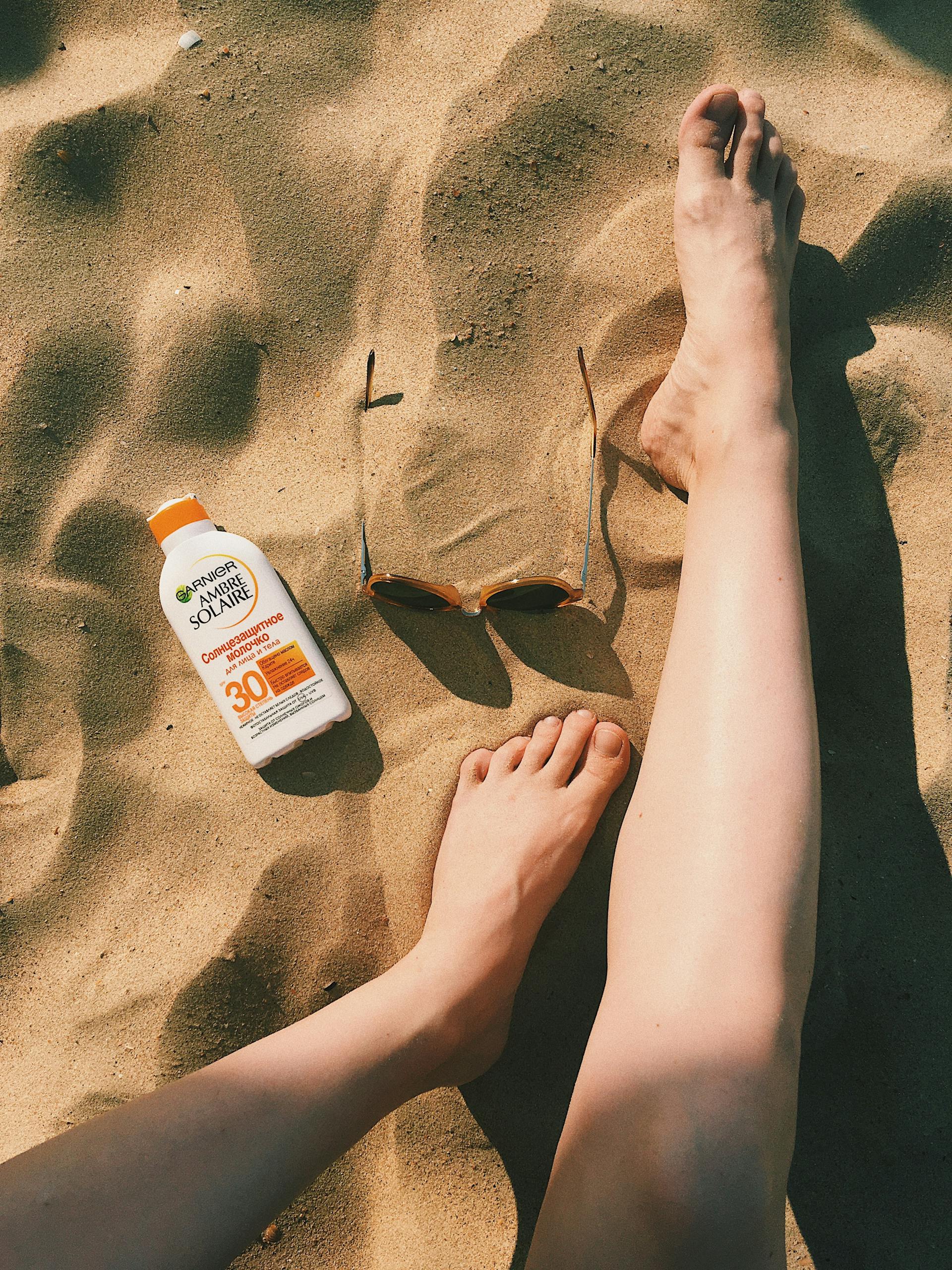
Does sunscreen stop tanning? Usually, no. In most real outdoor conditions, sunscreen does not block every bit of color development, but it often slows the pace of tanning and reduces how deep the final shade becomes. The real question is not whether SPF creates a tan-off switch. It is how much it changes your result, how evenly color builds, and how much effort it takes to get the look you want.
Sunscreen works more like a filter than an absolute wall. That means some people still develop visible color while wearing it, especially over longer sessions or when application is light, uneven, or not refreshed. As SPF rises and application improves, tanning usually becomes more gradual, softer in depth, and less dramatic per session. For readers chasing a natural glow, that can be a useful trade. For readers who want fast, strong bronze, it often feels inefficient compared with other options.
This is why the better comparison is not sunscreen versus no sunscreen in a yes-or-no sense. It is tan speed, color depth, evenness, predictability, and maintenance effort. Once you look at the outcome that way, sunscreen becomes one tool for shaping your glow rather than a simple blocker of it.
How Tanning Results Change Across No SPF, Lower SPF, Higher SPF, and Self-Tan
SPF changes tanning output on a spectrum. Self-tan changes the route entirely, because the color comes from the product rather than outdoor exposure. The table below keeps the comparison focused on visible results, which is usually what drives the decision.
| Route | Speed of color development | Likely depth of color | Evenness | Maintenance effort | Predictability | Best-fit user goal |
|---|---|---|---|---|---|---|
| No sunscreen | Fastest visible change for many people | Often the deepest natural color potential | Frequently uneven, especially across shoulders, chest, and face | High, because color can build irregularly and fade inconsistently | Low to moderate, since results vary widely by timing and conditions | Maximum natural color with little concern for control |
| Lower SPF | Moderate speed | Moderate to fairly deep color, depending on session length and application quality | Usually more even than no SPF, though patchiness still happens | Moderate, with reapplication affecting consistency | Moderate, but still influenced by missed spots and long sessions | Natural tan with some control and softer intensity |
| Higher SPF | Slowest natural color development | Lighter, more gradual build for most people | Often the most even natural result when applied well | Moderate to high, because consistency matters more than one long day outdoors | Moderate to high in appearance terms if application is thorough | Subtle glow, steady buildup, and less dramatic shifts |
| Self-tan | Fast visible bronze once product develops | Ranges from light to deep depending on formula and layering | Can be highly even with careful prep and application | Moderate, with ongoing touch-ups for tone and fade pattern | High relative to outdoor tanning because shade and timing are more controllable | Deeper or more polished color with more direct control |
The key pattern is simple: as sun protection becomes more substantial and more consistent, natural tanning usually becomes slower and lighter, but often smoother. If your priority is speed and intensity, self-tan often delivers a better result-to-effort ratio than pushing for more outdoor time.
Why You Can Still Tan While Wearing Sunscreen
SPF lowers UV input rather than shutting it off completely
Sunscreen lowers the amount of UV that reaches the skin rather than switching exposure to zero in every real setting. A product may filter a large share of incoming rays, but outdoor conditions are messy: you apply less than the label assumes, some areas get more direct sun than others, and exposure keeps accumulating while you stay outside. Because the filter is partial in practice, color can still develop.
This cause-and-effect chain matters. Less UV gets through because sunscreen absorbs or reflects part of the exposure, which reduces the tanning signal, which means the skin often still changes color but at a lower rate. A reader expecting complete prevention can misread what sunscreen actually does. A reader who sees it as a volume control will usually understand the outcome more accurately.
Less UV usually means slower, lighter color buildup
A tan develops more slowly when the skin receives a reduced dose across the same period. That happens because the filtered exposure is smaller, which gives you less rapid pigment buildup, which usually leads to a softer shade after each session. The result is often visible but less dramatic.
That does not mean every person gets the same lighter finish. Skin tone, baseline response to sun, time outdoors, and frequency of sessions all shift the endpoint. Still, the directional pattern is reliable: higher and more consistent SPF tends to favor gradual color, lower intensity, and a more controlled look rather than a fast, deep bronze.
This is why sunscreen can feel contradictory. You may notice that you are still tanning, but you are not tanning the way you would without it. The difference shows up in pace first, then in depth, and finally in how even the color appears over several days.
Real-world application changes the outcome more than the label alone
The SPF number on the bottle tells only part of the story. Real-world tanning results change because people often apply too little product, miss edges around straps or hairlines, wait too long to reapply, or stay out long enough that a moderate filter still allows noticeable cumulative exposure. Water and sweat complicate the picture further by thinning coverage and making consistency harder to maintain.
Cause and effect are clear here as well. Thin application lets more UV through than intended, which speeds visible color compared with a thorough coat. Missed areas receive heavier exposure, which triggers darker patches. Long sessions keep adding input, which can turn a supposedly controlled tan into an uneven one. In appearance terms, application quality often changes the final glow more than the label difference between two nearby SPF levels.
That is also why two people can use the same product and report opposite outcomes. One applies generously, reapplies on schedule, and gets a lighter, more uniform build. The other uses a thin layer once, spends hours outdoors, and comes away saying sunscreen did not seem to slow tanning much at all. Both observations can be true because the mechanism is practical, not theoretical.
When Sunscreen Fits a Natural Tan Goal and When It Doesn’t
Choose sunscreen-led tanning if you want gradual, less intense color
If your ideal result is a lighter natural glow that builds over time, sunscreen can fit that goal well. You are not trying to force the deepest shade from one outing. You want color that arrives more slowly, looks believable in daylight, and feels easier to wear day to day without dramatic jumps between sessions.
This route tends to suit readers who care about subtlety and consistency more than maximum darkness. You may prefer a result that develops across repeated outdoor time rather than one sharp leap in tone. You may also care about how even the tan looks on the face, shoulders, chest, and legs, because a softer build usually gives you more room to keep those areas balanced.
Sunscreen-led tanning is less compelling when you expect fast payoff. If you get frustrated by slow progress, if you want a pronounced bronze quickly, or if you measure success mainly by depth, this path can feel like a lot of effort for a modest return. It works best when your target shade is realistic and your patience matches the method.
Choose self-tan if you want deeper color with more control
If your real priority is stronger bronze, faster visible payoff, or tighter control over tone, self-tan is often the cleaner decision. You are choosing a different system entirely. Instead of waiting for sun exposure to create gradual change, you are selecting a product that can deliver color on a more predictable schedule.
This path makes sense when you want to decide how deep to go, when to deepen it, and how quickly to refresh it. You can also choose formulas that lean warmer, cooler, lighter, or darker depending on the finish you prefer. For many readers, that level of predictability matters more than whether the color came from outdoor time.
There is also an efficiency argument. If sunscreen-led outdoor tanning gives you only a soft increase after multiple sessions, but your goal is a noticeably bronzed look, self-tan often produces a better result with less uncertainty. You still need careful application and upkeep, but the trade is usually more control for less waiting.
How to Get Better Color Without Chasing More Exposure
Set a realistic shade target before you choose your method
Start with the finish, not the product. A faint sun-touched glow, a medium natural bronze, and a deeper polished tone are three different goals, and they usually require three different strategies. If you do not define the target first, you will judge every method by the wrong standard.
A lighter target often pairs well with sunscreen-led outdoor time because the method naturally caps speed and intensity. A deeper target often exposes the limits of that same route because each session adds only a controlled amount of color. Matching the method to the shade saves effort, reduces frustration, and makes your routine feel deliberate instead of reactive.
Use sunscreen consistently if your goal is a lighter, more even natural tan
Consistency improves output more than occasional intensity. If you want a natural-looking build, use the same SPF approach across sessions rather than alternating between careful application one day and minimal coverage the next. Stable inputs tend to create steadier results.
The improvement is visible. Even coverage lowers the contrast between high-exposure and low-exposure zones, which often produces a cleaner transition across the body. Reapplication keeps the filter closer to its intended performance, which usually preserves the slower, softer buildup you chose in the first place. In practical terms, this can mean a more polished glow with fewer dark hotspots and less need to compensate later.
For this route, think in small gains. You are not trying to squeeze maximum color out of one afternoon. You are trying to build an appearance that looks balanced across repeated wear, where the tan complements your natural tone rather than racing past it.
Switch to self-tan when you want faster depth or more predictable tone
At a certain point, chasing extra outdoor time becomes an inefficient way to deepen color. If the sunscreen-led route is giving you a pleasant but limited glow, and you want a stronger bronze, changing methods usually works better than stretching sessions longer and hoping for a jump.
The delta here is control. Self-tan improves speed because visible color does not depend on accumulated outdoor exposure. It improves shade management because you can choose formula depth and build it in layers. It often improves consistency because you can correct your routine based on the product result rather than guessing how the next day outside will translate on the skin.
This does not make self-tan universally better. It makes it better for a specific outcome: when the desired finish is darker, faster, or more exact than sunscreen-shaped natural tanning can reliably deliver.
Prioritize even application and maintenance over longer sessions
Longer sessions are often overrated because extra time tends to amplify inconsistency before it meaningfully improves appearance. Missed areas darken faster, high points catch more exposure, and your final tone can look less intentional even when it is technically deeper. Better color usually comes from controlling distribution, not extending duration.
The same principle holds whether you are using sunscreen outdoors or applying self-tan at home. Thorough coverage, attention to edges, and regular maintenance usually outperform a more aggressive one-day push. That shift in approach changes the result-to-effort ratio: less chasing, more shaping.
Control is the point. The best glow is rarely the one you forced the hardest. It is the one you built on purpose.