
How Long Does It Take to Tan? Timing Your First Glow
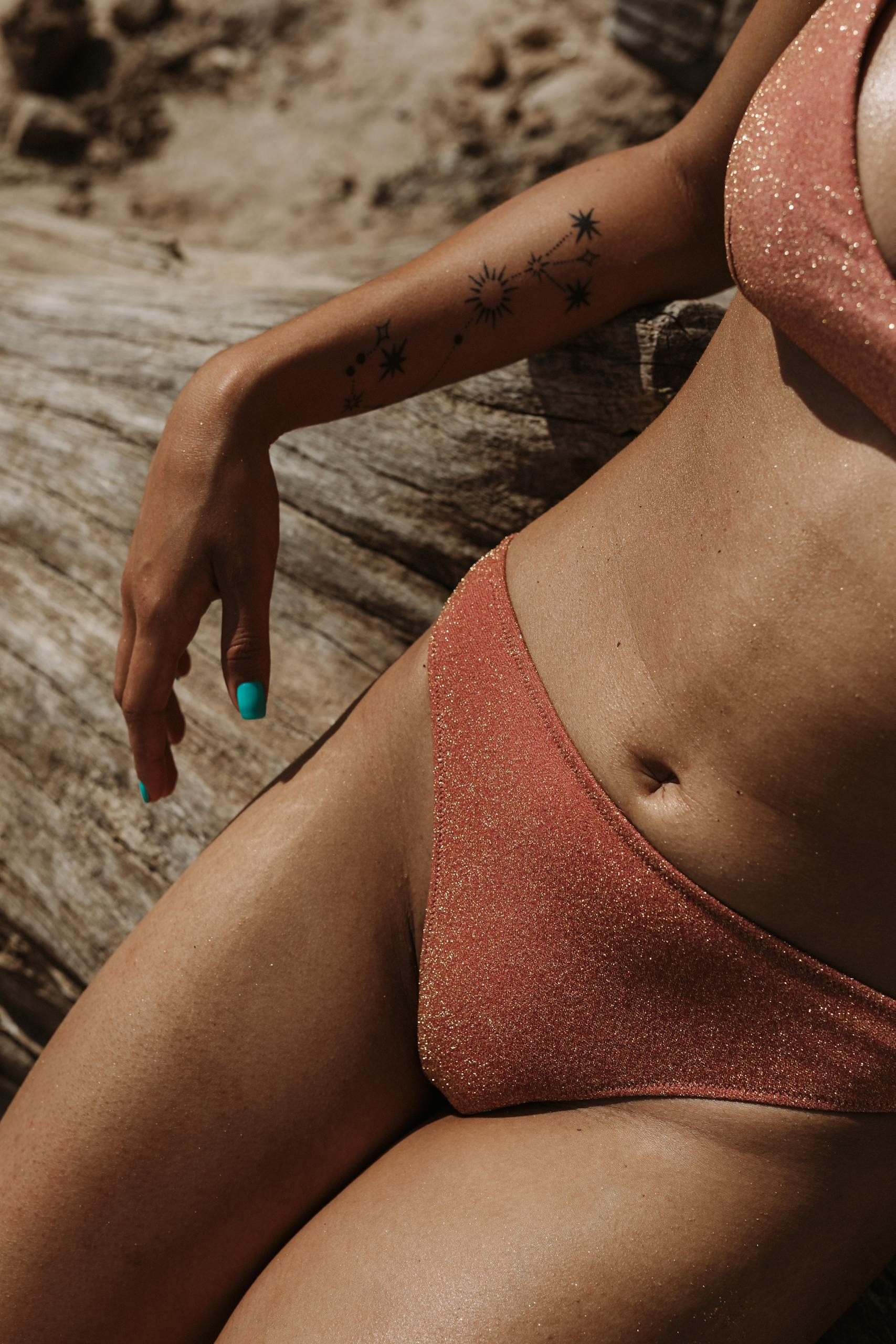
How long does it take to tan? Usually, a first faint shift can appear after one exposure or one product use, a clearly noticeable tan more often takes several sessions or applications, and a deeper built color takes longer still. The biggest divider is method: self-tan develops on formula time, while UV color builds on repeated exposure, starting tone, and spacing.
The short answer: tanning happens in stages, not all at once
Most people get a better answer when they stop looking for one universal clock and start thinking in three stages. The first visible tint is the earliest point where your skin looks slightly warmer or darker than baseline, often noticeable only in good lighting or next to untanned areas. A noticeable tan is different. That is the stage where other people can see it without you pointing it out, and it usually takes more than one exposure if you are relying on sun or indoor tanning. A built tan sits beyond that. It has more depth, reads more evenly across the body, and nearly always comes from gradual accumulation rather than one big push.
Method changes the timeline more than most readers expect. Outdoor or indoor tanning depends on how much pigment your skin develops over repeated exposures, so the clock is not just about minutes. It is about starting depth, intensity, and whether your schedule lets color stack before it fades or sheds away. Self-tan works differently because the visible shift comes from the product reacting on the skin surface, which means the result often appears much faster and with more predictable timing. That is why one person can see cosmetic color overnight from a mousse or lotion while another spends days chasing a natural-looking bronze from UV exposure.
The practical takeaway is simple: do not compare a faint first glow with a fully noticeable tan, and do not compare UV buildup with self-tan development as if they run on the same clock. They do not. If your expectation is a deep result from one session, the timeline will feel disappointing. If your benchmark is stage-based, the process looks much more realistic.
How long it takes to tan by method
The contrast is easiest to see side by side. The table below separates first visible color from a result that usually reads as noticeable, then adds the variables that tend to speed up or slow down each route.
| Method | First visible color | Noticeable result | What most affects the timeline |
|---|---|---|---|
| Outdoor sun tanning | Sometimes after one session for people who tan readily, but often subtle | Commonly several exposures over days or longer | Starting tone, strength of sun, time of day, body area, and spacing between sessions |
| Indoor tanning | Can show a faint shift after one or two sessions for some users | Often a few sessions before the color reads clearly | Baseline pigment, session intensity, schedule consistency, and whether color has time to build |
| Spray tanning | Immediate cosmetic tint is common | Usually noticeable the same day, with fuller developed tone within several hours to a day | Chosen depth, rinse timing, application quality, and prep that affects evenness |
| At-home self-tanner | Often within a few hours, depending on formula | Usually noticeable by the next day or after repeated applications | Product strength, application coverage, skin dryness, and whether you layer or maintain the result |
If you only care about speed to visible color, self-tan and spray tan sit in a different category from UV methods. If you care about gradual natural buildup, the timeline stretches because the color has to accumulate rather than simply develop from a formula.
What actually sets your tanning timeline
Your starting tone sets the baseline
Baseline matters because visible change is relative, not absolute. If you start lighter or with less visible natural pigment, a small increase can still look subtle, which means you may need more buildup before the result reads as obvious. Someone beginning with a medium tone can sometimes see a warmer cast sooner because the added depth has more context on the skin. The same amount of color change can look dramatic on one person and barely there on another.
This is also why readers often misjudge progress in the early stage. A first tint may be real, but it does not yet create enough contrast from your normal tone to look like a finished tan. The clock feels longer because your eye is waiting for unmistakable difference, not minor movement.
Session intensity affects speed, but not always quality
More intensity can appear to shorten the timeline because stronger exposure may trigger a quicker visible shift, but the result-to-effort ratio is not always better. A heavy session can push color unevenly, leave some areas ahead of others, or create a look that is darker in patches rather than smoothly bronzed. What feels faster in the moment can look less polished a day later.
Quality changes because color development is not just about how much exposure occurs. It is also about how evenly that exposure translates across the body and whether the result has room to build cleanly. Controlled sessions often produce a steadier progression, which makes the tan appear more intentional and more noticeable overall, even if the first visible change is slightly slower.
Spacing determines whether color builds or stalls
Tanning works like accumulation. One session creates a starting shift, then the next adds to it if the timing is close enough for the color to stack. When exposures or applications are too far apart, part of the earlier result has already faded or shed, which means each new attempt keeps restarting the process instead of building on it. That is why irregular schedules feel inefficient. You are spending effort without giving the previous color enough support.
Well-spaced repetition usually outperforms one oversized session because the skin has a chance to develop color, show you the result, and then deepen in stages. The visible difference between session one and session three is often larger than the difference between a moderate first session and an aggressive first session. Sequence beats force more often than people expect.
Skin condition changes how visible the result looks
Texture affects perception. Dryness, rough patches, and faster shedding can make color look delayed because the surface does not reflect light evenly, and uneven surfaces break up the visual depth of the tan. Pigment may already be present, but the result can still read flat or patchy rather than rich. In practical terms, that means the tan looks weaker than it really is.
The same logic applies to self-tan. If product catches on drier areas or fades faster on high-friction zones, the final color may seem less developed even when the formula did its job. What looks like slow progress is sometimes a visibility problem, not a total lack of color. Smooth, balanced skin condition makes the existing result easier to see.
Why you may not be seeing color as fast as expected
You are expecting one session to create a finished tan
This is the most common mismatch. One session can create a hint, but a finished-looking tan usually needs buildup.
The fix is to change the benchmark. Judge the first exposure by whether it creates movement from baseline, not by whether it delivers full bronze. Once you separate “I see a shift” from “I have a clear tan,” the timeline becomes far less frustrating.
If you want a result that reads complete right away, a self-tanner or spray tan is often the more efficient route. Those methods are designed to produce visible depth on product time, not over several exposure cycles.
You are comparing UV tanning to self-tan timing
These timelines are not comparable. UV color develops through repeated exposure and depends on how your skin responds, while self-tan develops through the formula after application.
The correction is simple: use self-tan as the benchmark for speed, not as the benchmark for natural buildup. If you expect outdoor sun or indoor sessions to behave like an overnight mousse, every UV timeline will feel slow, even when it is progressing normally.
Readers who want quick cosmetic color with less waiting usually do better with products that can be layered or maintained. Readers who do not mind a slower path can treat UV tanning as a gradual build instead of a race against a bottle.
Your color is appearing, but not reading as even or deep
Sometimes the issue is not absence of color. It is presentation. A slightly uneven result, dry-looking finish, or faster fade in certain areas can make the whole tan seem lighter than it is.
The fix is to improve visibility rather than just increase intensity. More balanced spacing, better maintenance between sessions, and a tan-extending moisturizer can help the existing tone read more clearly. For self-tan users, a second controlled application often does more for depth and consistency than one overly heavy coat.
When the finish looks smoother, the tan usually looks darker even if the actual change in shade is modest. Perception matters because what you call “noticeable” is a visual judgment, not a lab number.
How to get to noticeable color with less wasted effort
If you want the fastest visible result
Choose the method that develops fastest by design. Spray tanning and at-home self-tanner usually win on speed because color appears on product time, often within hours and commonly by the next day. That makes them the highest-efficiency option for readers who want to look more bronzed quickly without waiting through multiple UV sessions.
The upgrade here is not just speed. It is control. You can pick a formula depth, add another application if the first pass is too light, and maintain the tone with far less calendar time than a natural buildup usually requires. For many people, that lower workload is the real advantage.
If you want gradual color that looks natural
You should aim for steady progression rather than dramatic jumps. A gradual self-tanner or a paced UV routine tends to produce a more believable result because the color arrives in small increments, which keeps the shift closer to your baseline and reduces the risk of an abrupt, uneven look.
What changes here is the expectation. Instead of asking how fast you can get dark, ask how quickly you can become noticeably warmer without obvious contrast lines or patchy depth. That framing usually leads to better-looking color with less correction work later.
Gradual tanners are especially efficient for this goal. They let you move from no color to visible color in steps, and each layer gives you a chance to stop when the shade looks right rather than overshooting on the first try.
If you want to build depth over time
Depth comes from accumulation, so your best move is consistency. Repeated, well-spaced sessions or applications usually create more even bronze than one aggressive attempt because each stage adds to the previous one instead of overwhelming it. The visual payoff is a tan that looks settled rather than forced.
This is where many readers waste effort. They chase speed with oversized sessions, then end up with a result that is not as polished as a slower build would have been. A controlled plan often improves the outcome by a visible margin because evenness amplifies the perception of depth. A medium tan that looks uniform often reads better than a darker tan that looks inconsistent.
Maintenance products also matter more at this stage. A tan-extending moisturizer can slow the loss of visible color between sessions or applications, which means you spend less effort rebuilding what you already created. The timeline feels shorter when you are preserving progress instead of repeating the first step.
If you want the look without waiting on UV timing
Then switch the method. That is the most practical answer. If your main goal is visible bronze on a predictable schedule, self-tan is usually the cleaner fit because it removes much of the uncertainty created by baseline tone, session spacing, and variable exposure conditions.
You do not have to choose between instant dark color and nothing at all. A light mousse, a gradual lotion, or a professional spray can all be matched to how obvious you want the result to be. The key is using the method that aligns with your timeline rather than forcing a slower route to do a faster job.
The best choice is the one that reaches your preferred stage of color with the least mismatch between effort and result. If you want a small glow, gradual buildup makes sense. If you want visible bronze by tomorrow, formula-based color is hard to beat.