
Tanning and Skin Aging: What Changes in Your Glow Over Time
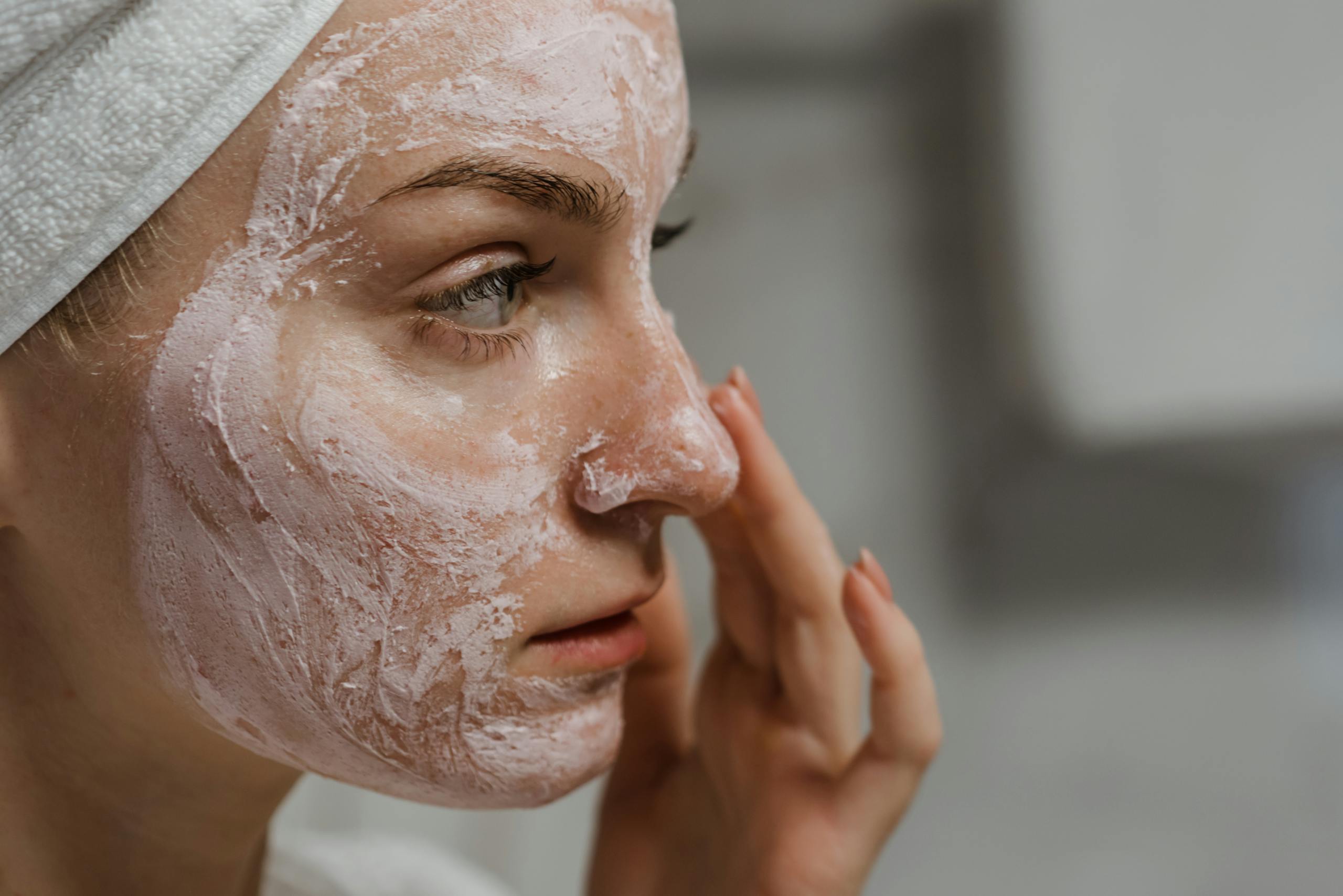
A Tan Can Look Fresh Now and Still Age Skin Faster Later
The common belief is simple but wrong: a tan looks youthful, so it must be helping your appearance overall. In reality, tanning and skin aging move in opposite directions. The deeper tone can briefly make redness, tiny marks, or mild unevenness less obvious, while the UV exposure creating that color is also pushing the skin toward slower, less flattering changes over time.
That is the part people often miss. A tan can act like temporary visual editing. Slight contrast in tone may blur minor imperfections and make the surface look more even for a while. But the darker color is not a sign that the skin is thriving. It is a visible response to UV stress, and repeated exposure gradually shows up as lines that linger longer, texture that reflects light less evenly, and pigment that starts to look patchy rather than polished.
So the tradeoff is not “tan versus no tan” in a purely cosmetic sense. It is short-term color versus long-term texture, firmness, and clarity. Once you separate those two ideas, the topic gets clearer: the immediate appeal of a tan and the cumulative appearance cost of UV exposure are not the same thing, and they should not be judged as if they are.
What a Tan Actually Means Inside the Skin
Melanin Is a Response, Not a Bonus Feature
A tan does not appear because the skin has unlocked an added aesthetic feature. It appears because UV exposure reaches the skin, which triggers melanocytes to produce more melanin. That extra pigment is part of the skin’s response system, not a beauty upgrade built into the exposure itself.
In cause-and-effect terms, UV energy hits the skin because you are outdoors or under a tanning lamp, which signals the skin to increase pigment production, which is why the surface looks darker after exposure. The color people like is therefore tied to the same event that required a defensive response in the first place. That is why calling a tan “healthy-looking” can be misleading. The visual effect may be appealing, but the pathway behind it is not a bonus feature the skin wanted for its own sake.
UV Exposure Gradually Weakens Collagen and Elastin
Firmness and smoothness depend heavily on collagen and elastin. Collagen helps give the skin structure because it supports the dense network that keeps the surface looking fuller and more stable. Elastin helps the skin spring back because it contributes to flexibility and bounce. When these proteins are in better shape, the skin tends to look smoother and reflect light more evenly.
Repeated UV exposure matters because it increases oxidative stress, which triggers changes in the structural support system beneath the surface. Over time, collagen breaks down faster and the skin’s rebuilding rhythm becomes less efficient, which is why areas exposed again and again can start to look looser, thinner, and less resilient. Elastin quality can also decline, which means the surface does not recover its smooth look as readily after daily movement, sun, or dryness.
This is why tanning and skin aging connect through more than color alone. UV does not just darken the surface. It alters the conditions that help skin stay firm, even, and reflective.
Why Repetition Shows Up as Visible Aging
One afternoon outside rarely tells the whole story. The mirror reflects accumulation. Exposure repeats because tanning is often pursued over weeks, seasons, or years, which compounds pigment shifts and structural wear, which is why the visible result is not simply a darker tone but an older-looking texture pattern.
That cumulative pattern shows up in familiar ways. Fine lines stop looking temporary and start looking etched. Tone becomes less uniform, with spots that hold color differently from surrounding areas. The surface may begin to seem less smooth, less bright, and less consistent from one area of the face or body to another. In other words, repetition turns a temporary color preference into changes people often describe as looking more weathered.
Visible Aging From Tanning Shows Up in Four Different Ways
Fine Lines and Less Bounce
The first shift is not always dramatic wrinkling. Often it starts as a subtle loss of bounce. Skin that once looked springy begins to look flatter because the support network under the surface is not holding shape the same way. When that happens, facial movement leaves behind lines that seem to settle more quickly and linger longer.
Light reflection changes too. Firmer skin tends to reflect light more evenly, which makes it look smoother. As collagen and elastin resilience decline, the surface catches light in a less uniform way, so the skin can appear older even before lines become deep. That is why a person may notice they look less fresh in bright daylight without being able to point to one dramatic wrinkle.
Uneven Pigment and Patchier Tone
Tanning-related aging is not only a story about lines. Pigment becomes a major part of it. Repeated UV exposure stimulates melanin again and again, but the response does not stay perfectly uniform forever. Some areas darken more easily, some hold color longer, and some recover more slowly. The result can be mottled tone rather than the even bronze people were trying to maintain.
This is where the short-term masking effect of a tan starts to reverse. At first, a darker surface can make small differences in tone less obvious. Later, cumulative exposure can create larger differences that are harder to ignore: lingering marks, freckles that become more persistent, or patches that seem warmer, duller, or deeper than nearby skin. Readers often recognize this not as “aging” in the abstract but as makeup sitting unevenly or bare skin looking inconsistent in natural light.
Dryer, Rougher Texture
Texture is another big clue. Skin exposed to repeated UV often becomes less smooth because the surface loses some of the refined look associated with consistent hydration and intact barrier function. It can feel a bit drier, look slightly thicker, or develop a roughness that shows up most clearly when light hits from the side.
That matters cosmetically because smooth skin reflects light in a more uniform way. Rougher skin scatters light, so the finish appears duller and less polished. Even if the color still reads as bronzed, the overall impression may shift from even and fresh to dry and weathered. This is one reason people can chase deeper color while quietly losing the very surface quality they hoped the tan would enhance.
Why the Face, Chest, Shoulders, and Hands Reveal It First
Some areas tell the story sooner because they collect more exposure in ordinary life. The face is out front most days. The chest and shoulders often get direct sun in warmer weather. Hands stay exposed while driving, walking, and doing routine tasks outdoors. These are not random zones. They are the places where repeated UV contact tends to add up first.
Frequency also matters more than dramatic single events. A little exposure during commuting, weekends outside, vacations, and incidental daily sun can create a pattern over years. That is why the face, upper chest, shoulders, and hands often look more changed than covered areas. The difference is not mysterious. It reflects where UV meets skin most consistently.
Not Every Way of Getting Color Ages Skin the Same Way
| Method | Source of color | UV involved? | Effect on visible aging | How fast results appear | Upkeep |
|---|---|---|---|---|---|
| Outdoor tanning | Melanin rises after sun exposure | Yes | Builds color through the same UV pathway linked with cumulative roughness, uneven tone, and reduced firmness over time | Usually gradual across repeated exposure | Requires ongoing sun time to deepen or maintain color, which also keeps the aging pathway active |
| Tanning beds | Melanin rises after concentrated artificial UV exposure | Yes | Also tied to UV-driven visible aging, often with a more deliberate repeat pattern that can accelerate texture and firmness changes | Often faster than outdoor tanning because sessions are structured and frequent | Relies on repeated sessions to sustain depth of color |
| Self-tan | Cosmetic color develops on the outermost skin layer | No | Does not create color through the same UV mechanism, so it belongs in a different aging conversation centered on appearance rather than UV-driven structural change | Usually within hours, depending on formula | Needs reapplication as the outer layer sheds; prep and even application affect the finish |
The key contrast is straightforward. Outdoor tanning and tanning beds create color through UV exposure, so their cosmetic result is tied to the same process that contributes to long-term visible aging. Self-tan creates color without that UV route, which is why bronzing drops, mousses, lotions, and gradual tanners are better understood as appearance tools rather than sun-based tanning methods.
That does not mean every product looks identical or requires the same effort. It means the aging mechanism is different. If your goal is simply to look more bronzed, UV-free cosmetic color deserves to be judged on finish, upkeep, and shade match, not grouped together with UV tanning as if all three choices carry the same tradeoff.
How to Decide If the Bronze Look Is Worth the Long-Term Tradeoff
If the Goal Is Purely Cosmetic Color
If you want a bronze tone mainly because you like how it looks, the clearest answer is to separate color from UV. You do not need sun exposure or tanning bed sessions to get a deeper appearance. Self-tanners, gradual tanning lotions, and wash-off bronzing products can give you cosmetic color without relying on the same pathway that drives UV-related visible aging.
This is where your decision becomes simpler than many people expect. Ask one question: are you chasing pigment itself, or are you attached to the process of tanning? If the objective is appearance, UV-free color usually offers the cleaner tradeoff. You get shade control, you can scale depth up or down, and you are not building the look through repeated exposure that also pushes the skin toward rougher texture and patchier tone.
Product choice then becomes practical. A gradual tanner suits someone who wants a low-contrast shift and easier upkeep. A mousse or lotion often gives a stronger result faster. Bronzing products work well for a one-day effect. The point is not promotion. It is clarity: if color is the only goal, cosmetic color and UV color do not deserve equal status in your decision.
If You Spend Time Outdoors Anyway
You may not be tanning on purpose at all. You may simply be outside often for work, exercise, commuting, travel, or weekends. In that case, the decision is not whether to hide indoors. It is whether to reduce repeated exposure you do not actually need.
You can lower that repeated load with ordinary habits: choose shade when it is available, use clothing and hats as routine barriers, and keep sunscreen use consistent instead of occasional. Those steps matter because outdoor time adds up quietly. A little here and there becomes a pattern, and patterns are what show in the mirror later.
That approach also helps you stop confusing incidental darkening with a useful beauty benefit. If being outdoors is part of life, you can still aim for a balanced routine that limits extra UV while preserving the option of cosmetic bronzing when you want more color for appearance.
If You Are Already Noticing Faster Visible Aging
If you are seeing more roughness, uneven tone, fine lines that seem to hang on, or areas that look drier and less even than they used to, this is the point to reassess the role of tanning honestly. Chasing a deeper tan usually does not fix those changes. It often masks them briefly, then contributes to more of the same pattern over time.
The practical move is to reduce or stop intentional UV tanning, especially if the tan has become a way of trying to cover texture or pigment inconsistency. Shift the routine instead. Prioritize hydration, barrier support, and steady day-to-day care that helps the surface look more even. Then, if you still prefer a bronzed appearance, use self-tan or bronzing products as cosmetic color rather than asking UV to do two conflicting jobs at once.
That is the most useful takeaway from tanning and skin aging as a topic. A tan can look flattering in the moment, but the mechanism behind UV color is the same one that gradually affects firmness, smoothness, and tonal consistency. Once you see that tradeoff clearly, the smarter choice is easier to make: reserve UV exposure for life’s unavoidable moments, and treat bronze color as something you can create cosmetically when appearance is the real goal.