
Why Some People Tan Faster Than Others: What Changes the Results
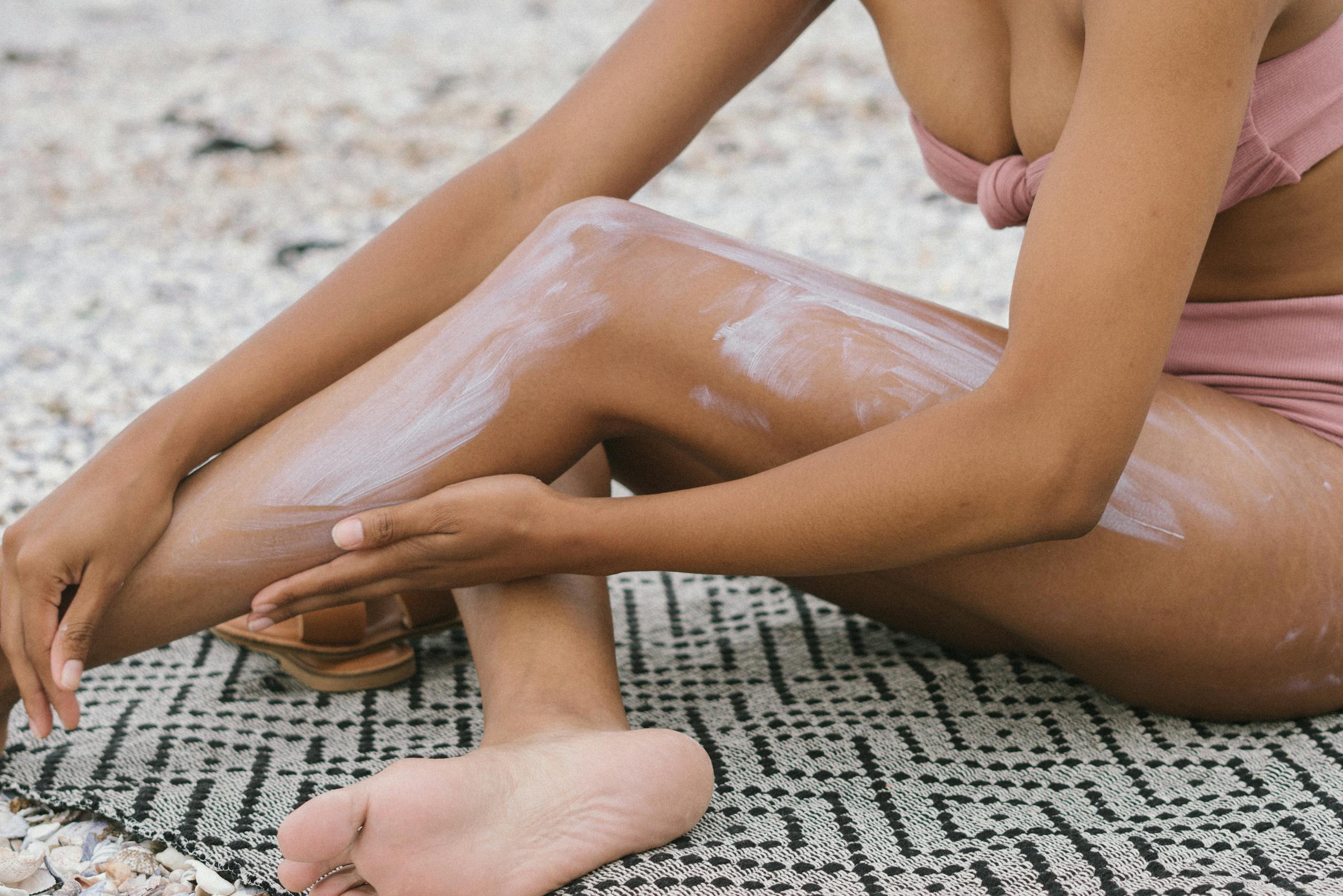
Some people bronze after a few well-timed sessions, while others see only a slight shift after much more effort. If you have wondered why some people tan faster, the short answer is this: starting pigment and response pattern set the baseline, then exposure history, session design, and method choice shape how quickly visible color builds.
The real reason tan speed varies from person to person
Your starting pigment level sets the pace
Tan speed is not random. It begins with a fixed starting point: how much visible pigment your skin already carries and how readily that pigment shows a bronzed change. Two people can spend the same amount of time tanning and get different visible results because one starts closer to a bronzed look, while the other starts from a lighter baseline that changes more gradually.
This is the first distinction that matters: fixed factors versus adjustable factors. Your natural coloring is largely fixed. It influences how quickly a tan becomes noticeable, how much contrast appears after each session, and how deep the final result can look before progress slows. Readers often treat this as a vague skin-type issue, but the practical point is simpler. If your baseline makes color changes easy to see, you will appear to tan faster even when your sessions are not especially aggressive.
A useful comparison is paint on different surfaces. A slightly tinted surface reaches a richer shade with fewer passes because the base already supports the look. A very light surface may still darken, but it takes longer before the change looks obvious from a normal viewing distance. That difference does not mean one person is doing everything right and another is failing. It means the starting canvas is different.
Exposure history changes how quickly color shows up
Previous exposure changes the pace because the skin is not starting from zero. A person who already carries some color often sees new depth faster, not necessarily because their sessions are stronger, but because each additional session builds on an existing visual base. The first shift tends to appear sooner, and the change reads more clearly in everyday lighting.
Regular tanners also tend to understand their response pattern better. They know whether they develop color best through shorter frequent sessions, whether a specific lotion improves cosmetic payoff, and how much consistency matters for them. That history creates a compounding effect: part visual, part procedural. By contrast, a person coming in with no recent color may need more sessions before the tan looks established, even if the underlying response is decent.
This is one of the most common sources of confusion. Someone compares themselves to a friend who “tans fast,” but the friend is already carrying residual color from previous weeks. The faster result is real, yet it is not purely natural advantage. Exposure history is an adjustable factor, which means it can change your visible pace over time, even though it cannot erase your baseline limits.
Session style can speed up or slow down visible results
Method and structure matter because visible tan speed is partly a performance issue. The tanning setup, session length, consistency from week to week, skin prep, and the choice between natural tanning, indoor tanning, or self-tan all influence how quickly a bronze look appears. This is where adjustable factors start to do meaningful work.
One person may use a method that creates early visible payoff with minimal effort. Another may rely on irregular, poorly timed sessions and wonder why the color never seems to build. The difference is not always intensity. Often it is alignment. Results tend to come faster when the method matches the individual response pattern and when sessions are consistent enough to create cumulative visible depth rather than isolated spikes.
The practical framework is straightforward. Baseline pigment sets the pace, exposure history changes the starting line for each new round, and session style determines whether the available response is expressed efficiently. If you want to judge your own tanning speed accurately, you have to separate what you cannot change from what you can improve.
What “tanning faster” actually means in practice
“Tanning faster” usually refers to three visible stages, and each stage happens for a different reason. First, color appears. That happens when a session produces enough visible change to be noticeable in ordinary light, which is why one person may look darker after a short stretch while another sees almost nothing yet. The difference is not just time spent. It is the interaction between starting tone, current color level, and how clearly small shifts show on that person.
Second, depth builds across sessions. This happens because each controlled exposure adds to the previous visible result, which can create momentum if sessions are spaced consistently. When the spacing is erratic, the visual progression often feels slow even if the individual sessions are strong. A person may think they are a slow tanner, when the real issue is that the color never gets a stable chance to accumulate in a clean, even way.
Third, the result either looks fleeting or established. That distinction matters more than most people realize. Quick early darkening can happen, but if it appears patchy, fades fast, or never develops into a fuller bronze, it does not function like a genuinely fast tanning pattern. Established color usually comes from a steadier sequence: enough stimulus to create visible change, enough consistency to deepen it, and enough cosmetic support through prep and maintenance for the result to read evenly. In practical terms, the fastest tanner is not always the person who sees the first hint of color first. It is often the person whose color becomes recognizable, then builds predictably, then holds its look well enough to feel intentional.
Who usually tans fast, who tans slowly, and who tops out early
| Pattern | Common traits | What the result usually looks like | What people often misinterpret | Practical takeaway |
|---|---|---|---|---|
| Fast developers | Noticeable starting pigment, color shifts show easily, often some recent exposure history, usually respond well to consistent sessions | Bronze appears early and deepens with relatively little visible delay | They are assumed to have found a secret method, when part of the advantage is simply a more responsive baseline | Protect the result by staying consistent rather than pushing for unnecessary intensity |
| Gradual developers | Lighter starting point, low recent exposure, smaller visual change after each session, may need more repetition before bronze reads clearly | Color develops slowly but can still look even and attractive with structure | They think nothing is happening, when the actual pattern is incremental rather than dramatic | Track progress across several sessions, improve prep, and choose methods that produce reliable cosmetic payoff |
| Early plateaus | Can show some quick darkening at first, then hit a ceiling where extra effort adds little depth | Initial color looks promising, then stops improving or becomes uneven | They assume more exposure will restart progress, when the visible return is already flattening | Shift strategy instead of forcing it: refine session style, maintain what looks good, or use self-tan for added depth |
The biggest myth: more exposure automatically means a faster tan
Why intensity and duration are not the same thing
The false belief is simple: more exposure automatically creates faster results. It does not. A heavier session load can produce more immediate change in some cases, but visible payoff does not rise in a straight line with more intensity or longer duration.
What usually works better is controlled repetition. Shorter, consistent sessions often outperform attempts to force a dramatic jump because color builds more evenly and predictably that way. When readers chase speed by overloading each session, they often confuse effort with efficiency.
Intensity and duration are different levers, and neither guarantees better visible development on its own. If your natural response is moderate or limited, pushing harder may only create a messy version of the same ceiling. The smarter move is to build a routine that your skin actually translates into usable color.
Why quick color is not always the best color
Another mistaken idea is that the fastest visible darkening must be the best outcome. It often is not. Early color can look impressive at first glance, yet still be shallow, uneven, or short-lived compared with slower development that settles into a cleaner bronze.
This is where many people misread their own results. They see a quick shift and assume they have found the ideal approach, but the color may not deepen well across later sessions. By contrast, a slower developer who builds steadily can end up with a more polished result because the tan looks smoother and more established.
Fast is only useful if the color holds its quality. If the result appears blotchy, fades quickly, or stalls after a strong start, speed alone was never the win. Cosmetic performance is about the final look, not just the first reaction in the mirror.
How to improve your own tanning results if you do not tan quickly
Start by matching your method to your natural response
If you tan slowly, the first upgrade is not “do more.” It is pick the method that fits your response pattern. Readers who develop color reasonably well with consistency may do fine with a structured tanning schedule and a lotion designed for hydration and cosmetic enhancement. Readers who show only slight natural change after repeated effort usually get better efficiency by combining modest natural or indoor tanning expectations with self-tan for depth.
Think in terms of return on effort. If your sessions create visible progress, even if gradual, build around that. If your sessions rarely produce enough color to justify the time, stop treating persistence alone as the answer. Method fit matters more than stubbornness.
Product choice belongs here too, but only as support. A prep product or tanning lotion can improve the look of your result when your response is already present. It cannot turn a limited natural bronzing pattern into a completely different one. Use products to sharpen payoff, not to pretend your baseline does not exist.
Improve prep so color develops more evenly
Prep changes the quality of visible results because uneven surface condition can make color appear dull, patchy, or weaker than it really is. When skin is dry, rough, or inconsistent from area to area, bronzing tends to read less clearly. Better prep often improves the appearance of progress even when the underlying pace stays the same.
A practical routine is simple: exfoliate with restraint, keep skin moisturized in a balanced way, and avoid showing up with product buildup that interferes with an even finish. This is especially important for gradual developers, since subtle color is easier to miss when the surface looks irregular. A smoother canvas makes small gains easier to see.
Lotions can help here for two reasons. First, they support a more polished cosmetic result. Second, they can make the session-to-session change easier to notice, which keeps you from overcorrecting with too much intensity. Good prep does not make you a fast developer overnight, but it can narrow the gap between the color you produced and the color you actually see.
Use shorter, more consistent sessions instead of chasing one big jump
The biggest performance gain for slow tanners usually comes from changing the pattern, not increasing the force. Shorter, repeatable sessions often improve results because each session adds manageable visible depth, which is easier to sustain than one oversized push followed by inconsistency.
This matters for two reasons. First, consistent spacing gives your color a chance to build instead of reset. Second, predictable sessions make it easier to judge what is actually working. If you keep changing duration, timing, and method all at once, you cannot tell whether the slow pace comes from your baseline or from a chaotic routine.
There is also a psychological advantage. A controlled plan reduces the temptation to chase dramatic jumps that often disappoint. Over time, gradual developers usually get their best cosmetic payoff from rhythm: measured sessions, steady prep, and realistic expectations about how much contrast will appear after each round.
Switch to self-tan when your natural response is too slow for the look you want
For some readers, the most efficient answer is self-tan. This is not a fallback for people doing tanning “wrong.” It is a method choice for people whose natural response is slow, shallow, or capped well below the depth they want. If your baseline and response pattern do not support the look you are chasing, self-tan can deliver a stronger cosmetic result with far less guesswork.
The comparison is practical. Natural or indoor tanning relies on your own response limits, so progress may be gradual and capped. Self-tan works on a different timeline and is not dependent on how quickly your skin naturally shows bronze. That makes it especially useful for early plateaus and for readers who want depth for an event, a season, or a consistent aesthetic without investing in repeated sessions that produce only minor change.
The best use case is honest self-assessment. If you tan slowly but do eventually get a result you like, keep refining your routine and use self-tan as a booster when needed. If you rarely reach satisfying depth no matter how disciplined the routine is, switch the goal from “tan faster” to “get the look more efficiently.” That small change in mindset is often what turns frustration into a routine that actually works.
Not everyone is built to bronze at the same speed, and not everyone needs to chase the same path. The useful question is narrower: what pattern do you have, what result does it reliably produce, and what method gets you closest to your preferred look with the least wasted effort?