Home » Tanning Science » Page 2

Tanning Science

Understand the science behind tanning — how UV exposure, melanin, and skin type affect your results. Clear, practical explanations to help you tan smarter.
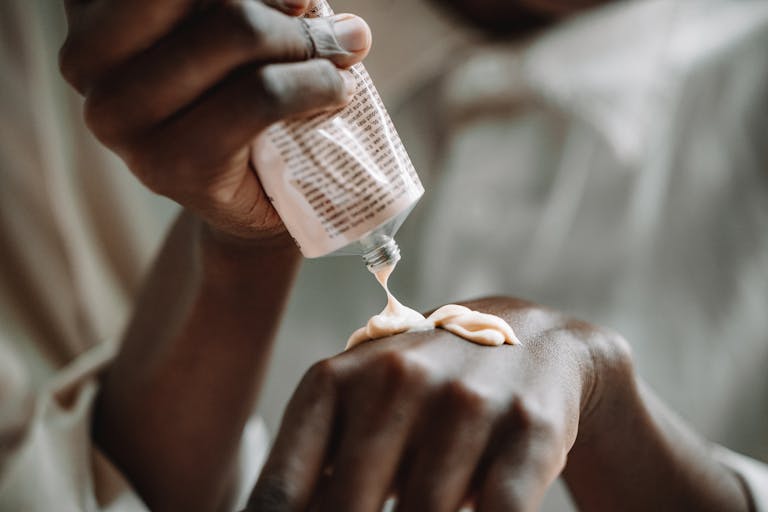

    Close-up of a woman applying sunscreen on her legs at the beach, enjoying a sunny summer day.

    Why Some People Tan Faster Than Others: What Changes the Results

    Understand why some people tan faster and learn how starting pigment, history, and session style shape visible color and better results.
    Read More
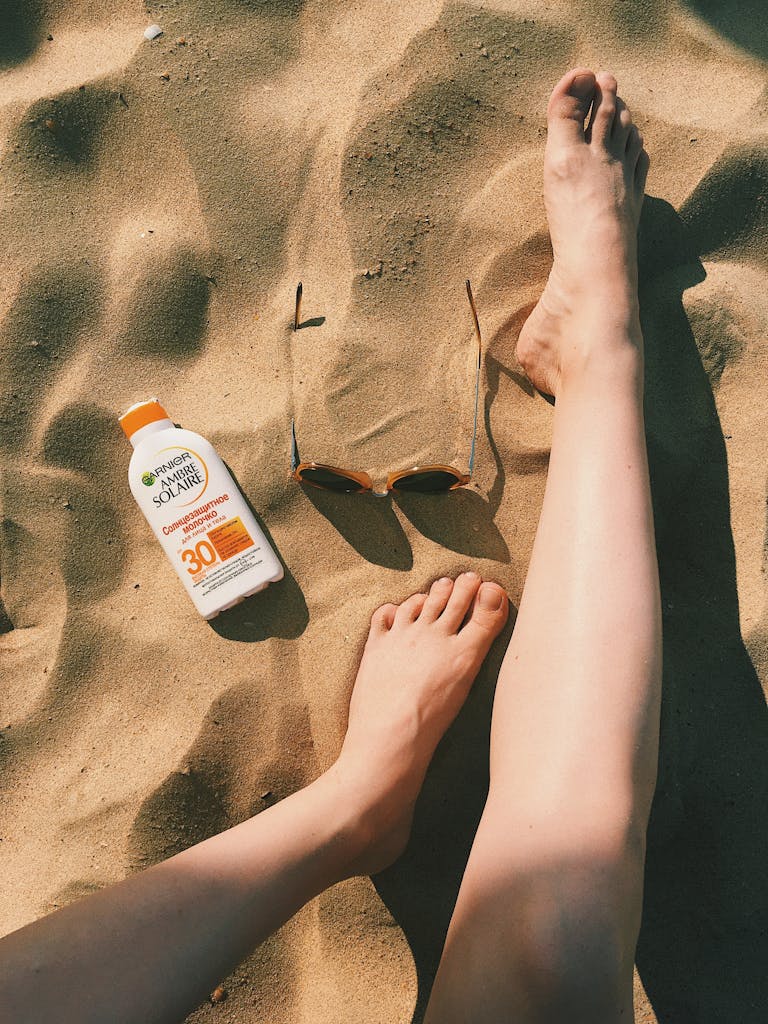
    Feet on sandy beach with sunscreen bottle and sunglasses, enjoying a sunny day.

    Does Sunscreen Stop Tanning? How SPF Shapes Your Glow

    Does sunscreen stop tanning? Learn how SPF changes tan speed, depth, evenness, and when self-tan may be the more efficient path to bronze.
    Read More
    Back view of a woman in a bikini on a sunny beach, with sand on her skin.

    Can You Tan in Winter? Build a Consistent UV Routine

    Can you tan in winter? Yes, with enough UV. Learn how timing, location, and routine consistency affect winter tanning results and upkeep.
    Read More
    A serene beach scene featuring a woman in a back-tied swimsuit enjoying the sun.

    Best Time of Day to Tan: Timing Your Glow with Precision

    Find the best time of day to tan by comparing speed, control, and visible payoff. Learn why late morning often gives the strongest overall results.
    Read More
    Breathtaking tropical sunset over the ocean with silhouetted palm trees, perfect for vacation themes.

    Can You Tan in the Shade? How Clouds Affect Your Glow

    Yes, you can tan in the shade and through clouds. Learn how UV exposure shifts in different conditions and how to get more consistent color.
    Read More