
How to Tan Faster: Timing, Setup, and Consistent Glow
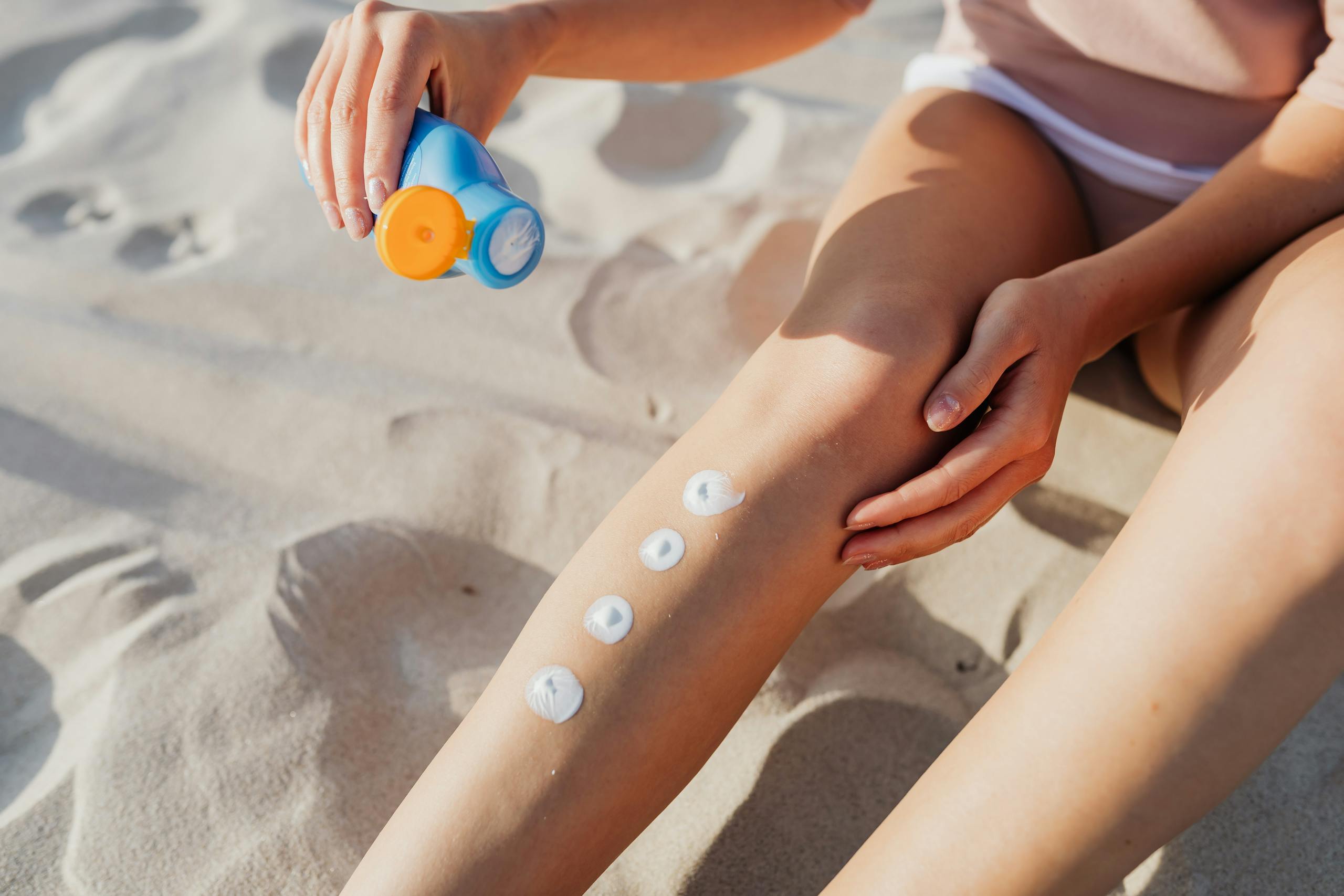
How to tan faster without wasting time
How to tan faster comes down to improving session quality, not stretching your time. Better timing, smoother prep, the right product, and a consistent rhythm make color show up sooner and look more even, whether you tan outdoors, in a bed, or want a fast cosmetic bronze from self tanner.
The mistake most people make is chasing longer exposure and calling that a strategy. It is not. Faster results usually come from four controllable levers: prep, so color develops on a smoother surface; timing, so each session has better payoff; setup, so your body gets balanced exposure instead of random hotspots; and consistency, so each session builds on the last one. When those pieces line up, you spend less effort correcting patchiness, less time guessing which product to use, and more time actually building a glow that looks intentional.
A balanced routine also beats an aggressive one because the goal is not just speed on day one. The goal is visible color that comes in evenly and stays present across multiple sessions. If your prep is rushed, your rotation is sloppy, or your schedule changes every time, progress slows down even if you are technically putting in more time. Efficient tanning is about stacking small wins the same way every time.
What actually makes tanning happen faster
Faster tanning is mostly a matter of better session efficiency. A strong session gives your skin the right conditions to respond well, while a weak one leaves you with uneven color, missed areas, or progress that fades because the routine has no rhythm.
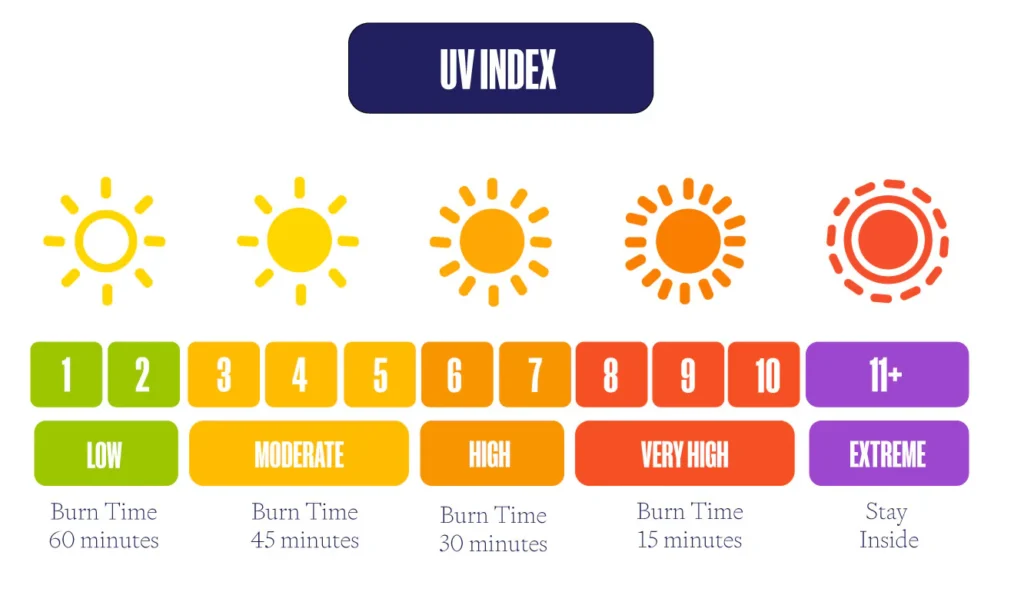
Choose the right UV window
When your session lines up with a stronger UV window, the same amount of time usually produces better visible payoff than a poorly timed session. Outdoor tanning works best when you are not catching weak early or late light and hoping it will somehow produce the same result. Indoor tanning gives more control because the equipment stays consistent, which is why many people see steadier progress there. The practical takeaway is simple: stop treating every hour like it performs the same and choose a repeatable window that gives each session more punch.
Start with skin that is ready to tan
Color shows up faster on a surface that is smooth, clean, and balanced. If dead skin is sitting on top, or rough areas like elbows, knees, and ankles are extra dry, the result often looks uneven even when the session itself was fine. That slows you down because you start correcting texture and tone instead of building fresh color. The takeaway here is to prep before the session, not after it, so the color has a cleaner canvas from the start.
Keep sessions consistent instead of random
Random spacing makes progress feel slower because your body never gets into a rhythm. One longer session followed by several missed days usually does less for visible momentum than shorter, well-planned sessions repeated on a consistent schedule. This is true outdoors, in a tanning bed, and even with self tanner upkeep. Pick a realistic pattern you can repeat, track it, and let the routine compound instead of resetting every week.
Build a faster-tanning setup before each session
You will get more from any method when the setup is already handled before the session begins. This part is not glamorous, but it is where most of the speed comes from because a clean setup removes the friction that causes streaks, missed areas, and inconsistent color.
Exfoliate ahead of time
Start by exfoliating before the session rather than right before you head out the door, you can follow our guidelines about how to exfoliate. The sweet spot for most people is the night before or at least several hours in advance, because that gives your skin time to settle while still clearing away dull surface buildup. Focus on rougher areas first, then keep pressure lighter on smoother zones so you are refining texture instead of scrubbing randomly. This matters because a smoother surface reflects the session more evenly, which means color appears cleaner and faster.
Before moving on, pay special attention to elbows, knees, ankles, and any spot that tends to grab product or hold dryness. If those areas are left rough, they can look darker than the rest of the body and make the whole tan seem inconsistent. A light body lotion on those zones after exfoliation can help balance them out so the next session develops with better flow.
Apply the right tanning product for your method
Next, match the product to the method instead of assuming one bottle does everything. Outdoor tanning usually works best with an outdoor tanning oil or lotion designed for that setting, while indoor sessions perform better with an indoor tanning lotion that is built for that equipment. If your goal is the quickest visible bronze, self tanner gives the fastest cosmetic result, and a mitt or applicator helps keep the finish cleaner. Product fit matters because the wrong texture, finish, or formula can make your routine feel slower even when the timing is fine.
At this point, think in terms of performance. A good tanning accelerator or lotion helps you get more out of the session you already planned. A poor match leaves you chasing results with extra time, which is the least efficient lever you can pull.
Position and rotate for even exposure
Set your body position before the session starts so you are not improvising halfway through. For outdoor tanning, that means choosing a comfortable layout where your front, back, and sides can all be exposed without constant fidgeting. For indoor tanning, it means paying attention to shoulder angle, leg spacing, and arm placement so one side is not doing all the work. Rotation matters because one-sided exposure slows visible progress; you may be tanning, but only part of the body is getting enough attention to show it.
Once that is in place, rotate on a simple rhythm you can remember. Front, back, and each side should all get time, especially if you tend to favor one position without noticing. Even exposure does not just look better. It speeds things up by keeping you from spending later sessions fixing missed strips or chasing balance on one half of the body.
Pick the method that gives you the quickest visible payoff
Each tanning route can work, but they deliver different kinds of speed. The fastest option for immediate bronze is not the same as the best option for gradual color, and the most controlled route is not always the one with the least upkeep. Compare them by payoff, control, and how much routine you are willing to maintain.
| Method | Visible payoff speed | Control level | Upkeep | Best fit |
|---|---|---|---|---|
| Outdoor tanning | Gradual | Medium, depends on timing and weather | Moderate | People who want natural color and do not mind building it over multiple sessions |
| Tanning beds | Moderate to fast | High, because conditions are more repeatable | Moderate | People who want a structured routine with more predictable session quality |
| Self tanner | Fastest cosmetic result | High if application is precise | Higher touch-ups, especially on dry areas | People who want visible bronze right away without waiting for repeated UV sessions |
Outdoor tanning for gradual color
Outdoor tanning suits you if you like building color in a more natural-looking progression and you can be disciplined about timing, prep, and rotation. It offers a satisfying payoff, but the pace depends heavily on session quality. If your schedule is inconsistent or you rarely catch a productive UV window, this route can feel slower than it should.
Tanning beds for controlled consistency
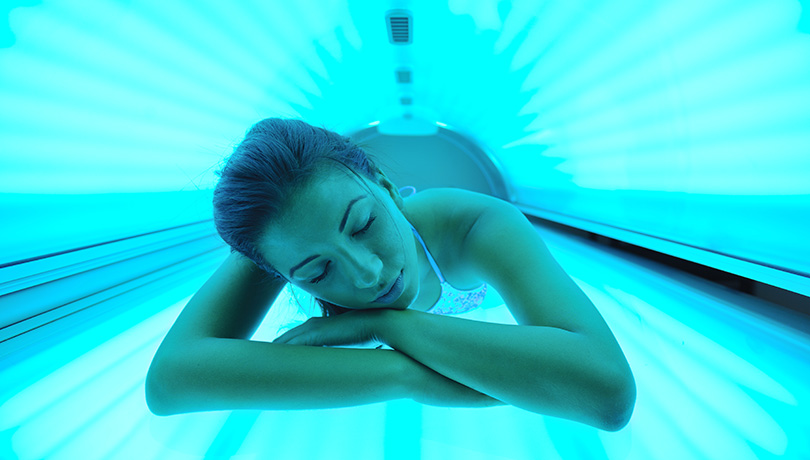
Tanning beds make the most sense for readers who want fewer variables. The environment is more controlled, the session cadence is easier to repeat, and that usually makes it easier to adjust your routine based on real results. If you respond well to structure and want more predictable progress, this method often gives the cleanest feedback loop.
Self tanner for the fastest cosmetic result
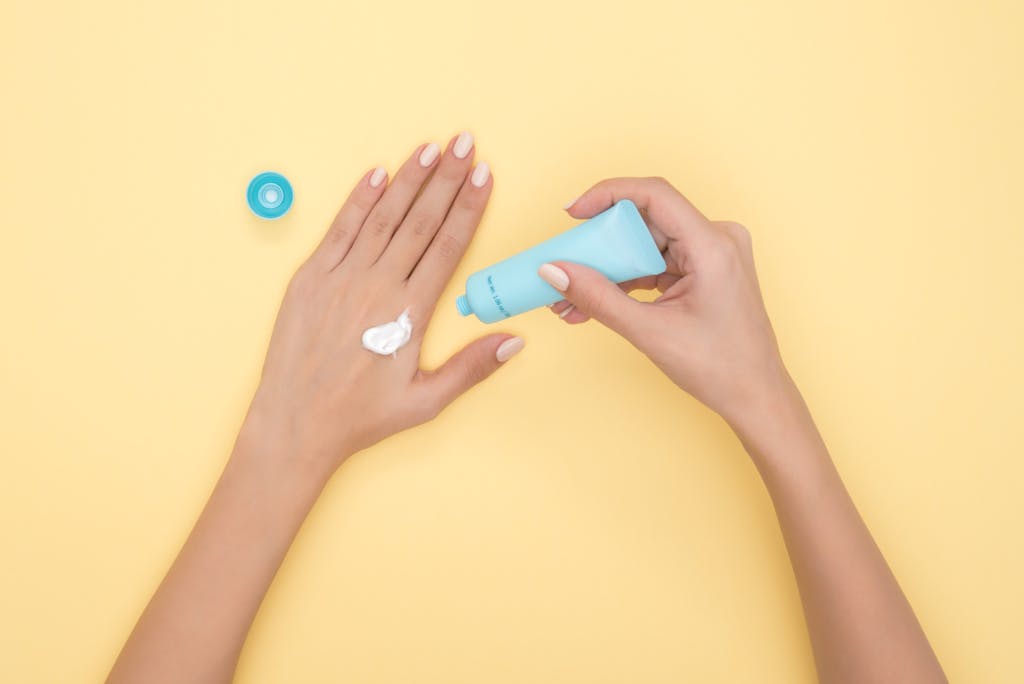
Self tanner is the clear winner when the goal is visible bronze as quickly as possible. You are not waiting for repeated sessions to build color, so the payoff can show up within hours instead of over several days. It fits best when appearance speed matters most and you are willing to spend a little more attention on prep, blending, and touch-ups.
Fix the habits that slow your results down
If progress feels slower than it should, the problem is usually not effort. It is usually one habit that keeps cutting session efficiency. Fix that, and the same amount of time starts working harder for you.
Stop overextending single sessions
If you keep stretching one session and expecting a breakthrough, make the change to shorter, better-timed, repeatable exposure. Marathon sessions often create diminishing returns because the payoff stops improving in proportion to the time you are adding. A cleaner rhythm gives you more reliable visible progress and leaves less unevenness to manage later.
Replace the all-in approach with a planned schedule and stick to it long enough to judge results. The habit to keep is consistency, not chasing one huge session.
Avoid patchy prep and uneven product use
If your glow looks blotchy or slower to come together, patchy prep is usually the cause. Rough elbows, dry knees, skipped exfoliation, or rushed product application create a finish that looks incomplete even when color is technically there. Tighten up the prep, match the lotion to the method, and use an applicator when precision matters. The immediate result is a smoother appearance and less time spent correcting dark or pale zones.
Keep a simple prep standard every time: exfoliate ahead, balance dry spots, and apply product evenly. That habit turns more sessions into usable progress.
Track your routine so you can adjust faster
If you are guessing what worked last time, you are slowing yourself down. Start logging the basics: session time, method, product, rotation pattern, and how the color looked after. Small notes make it obvious whether your best results came from better timing, better prep, or a better product match. The result delta is huge because your next adjustment is based on evidence instead of memory.
A quick note in your phone is enough. Record the session window, what lotion or self tanner you used, and whether the tone looked balanced the next day. The fastest path to a consistent glow is not more random effort. It is a repeatable setup you can refine one detail at a time.