
Self Tanner vs Tanning Bed: Most Guides Pick a Side. This One Doesn’t.
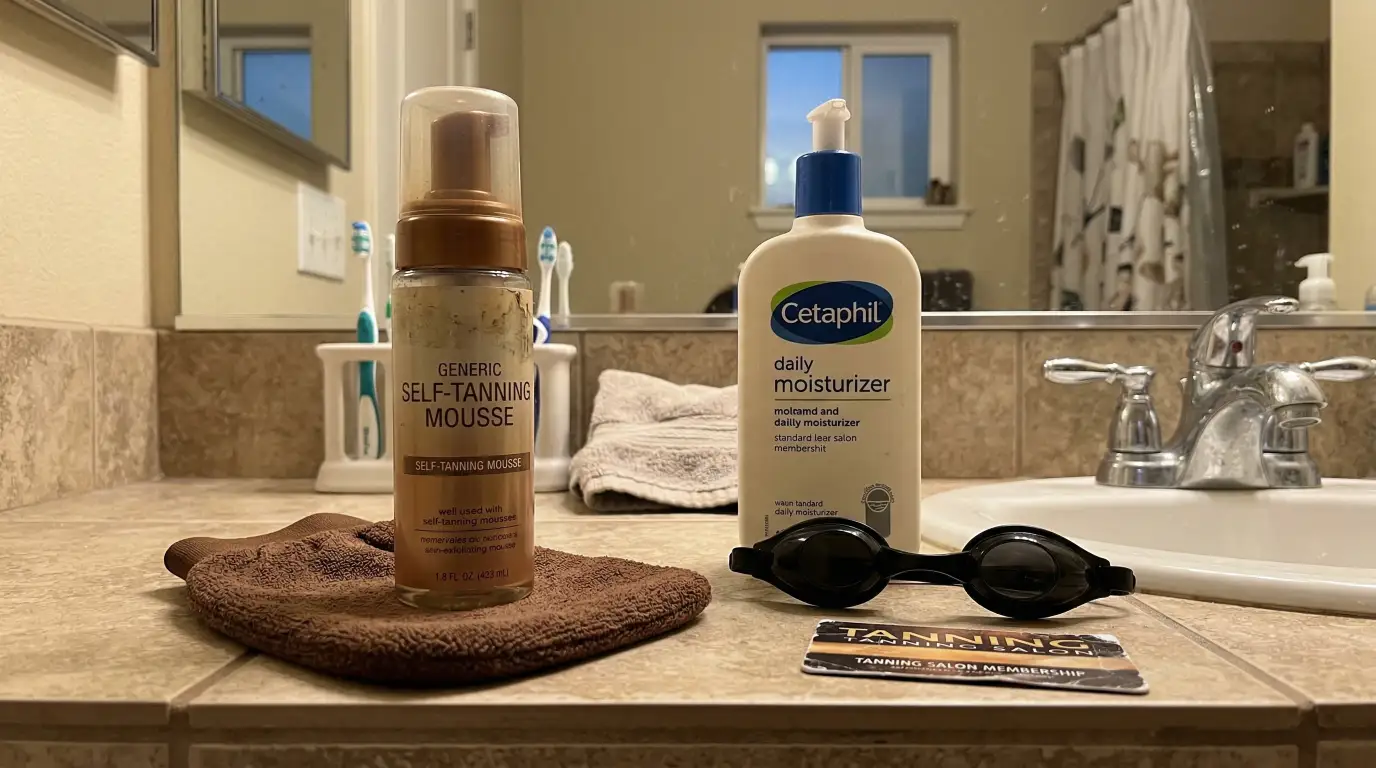
There are about twelve articles on this topic that make the same argument dressed up in different fonts. Self tanner wins on everything. Tanning beds are a relic. Move on.
That framing is useful if you work for a self-tanner brand, which several of those sites do. It is less useful if you are actually trying to decide between two things based on your own routine, budget, and the kind of result you want.
This is the version that takes both options seriously.
What You Are Really Deciding Between
Most comparisons start with UV risk and never leave. That is a real factor, but it is not the question most people are actually sitting with when they search this.
The real question is usually one of three things. Either you have used a tanning bed for years and you are wondering if self tanner is worth switching to. Or you have never tanned and you are trying to figure out which method makes more sense to start with. Or you want color for a specific reason, like an event, a holiday, or a season change, and you are trying to pick the right tool for that specific job.
Each of those situations points toward a different answer. Starting with “which one is safer” skips the part where the answer actually lives.
How Each Method Produces Color
These two methods do not produce the same thing, which is why comparing them on a single axis never quite works.
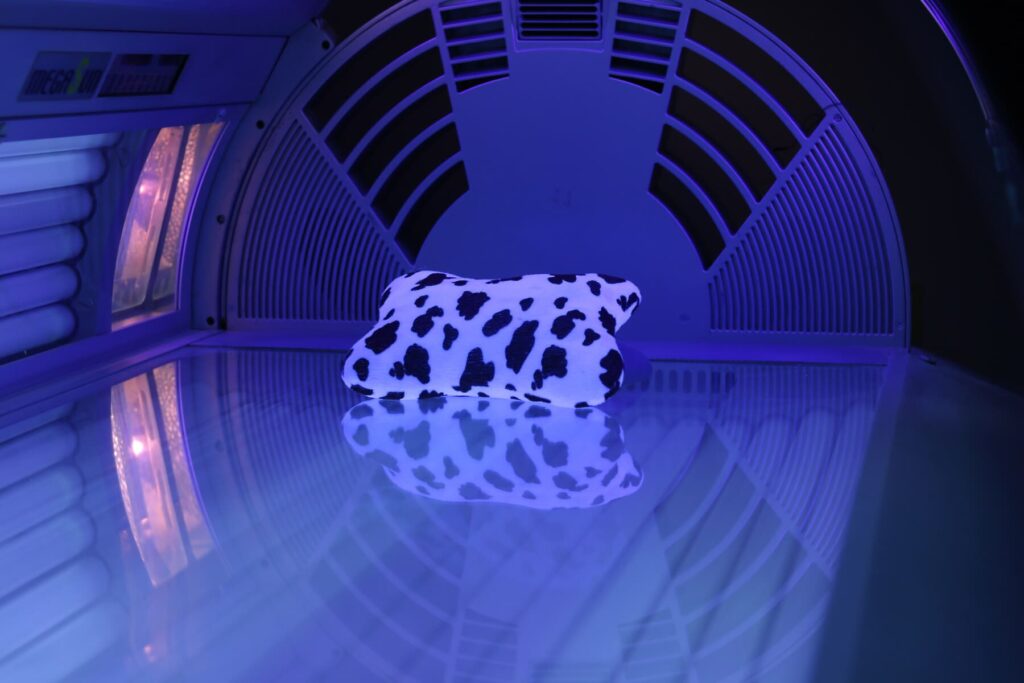
A tanning bed produces melanin. UV light hits the skin, the skin responds by producing its own pigment, and the color that appears is your skin’s own color, just more of it. That process takes multiple sessions to build visible depth, it responds differently depending on your natural skin tone and how quickly your melanin responds, and the result fades as your skin turns over in the weeks following.
Self tanner produces melanoidins. A compound called DHA reacts with proteins in the outermost dead skin cells and turns them brown. The color is not your skin’s own pigment. It sits in the surface layer and fades as those cells shed, usually over five to seven days. The depth of color depends entirely on the formula you choose, not on your biology.
The practical consequence of that difference is bigger than most comparison articles admit. A UV tan is variable in a way that self tanner is not. Two people with different skin types sitting in the same bed for the same session will leave with different results. Two people applying the same self tanner formula will leave with much more similar outcomes, assuming they prepped the same way.
That is not an argument for one or the other. It is just a fact about how each works that changes what the tradeoffs actually are.
When a Tanning Bed Makes More Sense
The color depth ceiling matters for some people and not at all for others. If you want deep, dark color that looks like you have been somewhere sunny for two weeks, tanning beds can produce that in a way that most self tanners do not replicate in one or two applications. A self tanner can get you there with layering over time, but the process is slower and more technique-dependent.
If you already tan easily with UV, you have a fast melanin response, and you have access to a salon with convenient hours, the total time investment per week for a maintained UV tan is actually lower than people assume. A session is 10 to 15 minutes. Compare that to the full self-tanner routine: exfoliate the day before, dry down completely, apply in sections with a mitt, wait for development, shower, moisturize daily to maintain. For someone who finds that whole routine tedious, a quick salon visit is not the irrational choice it gets made out to be.
Longevity per session also goes to the bed. A single UV session that builds on an existing base tan can hold visible color for ten to fourteen days with good aftercare. A self-tanner application needs topping up after about a week. If you are going on holiday and want to maintain color without packing products or worrying about streaks in the sun, a pre-built UV tan is genuinely more practical for that specific context.
When Self Tanner Makes More Sense
Color control is the clearest case. With self tanner, you decide exactly how dark you go. You can stop at a light glow, build to medium, and adjust the formula depth up or down with each application. With a tanning bed, the depth you get is a function of your skin’s response, the bed level, and session length. That feedback loop is slower and less precise.
Cost over time is not even close. A bottle of self-tanner that covers twenty full-body applications costs roughly the same as one tanning bed session at a mid-range salon. Monthly, the difference runs into the hundreds for anyone maintaining a UV tan with regular sessions. Some people have memberships that make this more manageable, but the baseline cost comparison is stark.
Year-round convenience. Self tanner does not care about the season, your location, your schedule, or whether the salon near you has the bed level you want. You can apply it at 11pm on a Tuesday in February and have color by morning. For people who travel, move between cities, or have irregular schedules, that accessibility is practical in a way that requires no further argument.
Skin that cannot UV tan reliably. Some people with very fair skin burn rather than tan at UV doses that would produce visible color, which means bed sessions require very short exposures and many more of them to build anything. Self tanner skips that entirely. The result on pale skin depends on formula selection rather than biology. The right low-DHA formula in a neutral base tone gives consistent, predictable color regardless of how your skin would normally respond to UV. There is a full breakdown of what to look for in the post on best self tanner for pale skin.
Prep Works the Same Way for Both Methods
Here is the thing that neither method will forgive: dry, uneven, unexfoliated skin.
Before a tanning bed session, hydrated skin produces more even melanin and holds color longer between sessions. Dry patches develop inconsistently, elbows and knees go darker than they should, and the fade is blotchy rather than gradual. The prep steps before a session are exactly the same as before a self-tanner application. Exfoliate a day before. Moisturize consistently between sessions. Pay extra attention to dry zones.
Before self tanner, the same principle applies but the consequences are faster and more visible. Because the color sits in the surface layer rather than developing from within, uneven skin texture produces uneven color within hours. The guide on preparing skin for self tanning covers this in detail. And if things go wrong, the fix guide for patchy self tan handles most of what actually goes wrong on first attempts.
Both methods also reward consistent moisturizing afterward. The post on moisturizing for tanning covers how to extend color regardless of which method produced it.
Which One to Use, by Situation
Rather than telling you which is better in the abstract, here is how the answer actually changes by situation.
You have an event in three days and zero existing color. Self tanner wins. A single mousse application the night before develops overnight and gives you a full result by morning. A tanning bed session produces minimal visible color in one session unless you already have a base.
You want color for a two-week holiday and you tan easily with UV. Build a base with two or three bed sessions in the week before you go. Self tanner applied on top of a UV base also layers well and can boost depth between sessions.
You want to stay consistently tan year-round on a limited budget. Self tanner by a significant margin. The cost difference over twelve months is substantial. A gradual lotion used a few times a week costs less monthly than a single salon visit.
You have very fair skin that burns easily. Self tanner gives you more reliable control over the outcome. Bed sessions require very conservative exposures and many more of them to build anything. A well-chosen self tanner formula gives you color on the first application.
You already have an established UV tan and you want to maintain it between sessions. This is where the two methods work best together. A gradual tanner or light mousse applied between bed visits boosts depth and evens out fading without needing another full session. The two approaches are not mutually exclusive, and for people with existing UV tans, combining them is the most practical maintenance routine.
You want the deepest possible color quickly. A tanning bed with a bronzer lotion, built over several sessions, gives you more depth faster than most at-home self-tanner routines. The best tanning bed lotion for this is a DHA bronzer formula rather than an accelerator, which adds color on top of the UV result.
The type of bed also changes how fast that depth builds. A bronzing bed produces a different result than a standard Level 1, and knowing which to ask for is half the work — that’s what the bronzing bed vs tanning bed guide covers.
The Short Version: What to Use and When
Color in 48 hours goes to self tanner. A bed session tonight produces nothing visible until tomorrow at the earliest, and building real depth takes weeks. Self tanner applied tonight gives you color by morning.
Deep, long-lasting color over time goes to the bed. A UV base holds in a way self tanner layers on top of, not the other way around. The two methods compound when you combine them — bed for depth, self tanner to maintain between sessions.
Control over the outcome goes to self tanner. Formula selection matters more than biology, and you can apply it on your own schedule without a salon membership.
The only situation where neither delivers is expecting fast results from a bed without a base, or expecting self tanner to replicate a deep UV tan in one application. Both take time. The question is which kind of time fits your routine.
Peta Jane Self Tanner Review: Does the Allure-Winning Mousse Actually Deliver?
GlowDrop Review: Do Drinkable Tanning Drops Actually Work?
Self-Tanner on Tattoos: How It Changes the Look of Healed Ink
How to Self-Tan Hands Without Orange Knuckles
Cyklar Self-Tanning Milky Essence Review: Who Is It For?
Melanotan II vs DHA Self-Tanner: What the Barbie Peptide Gets Wrong