
How to Tan Evenly Without Streaks: A Professional Routine
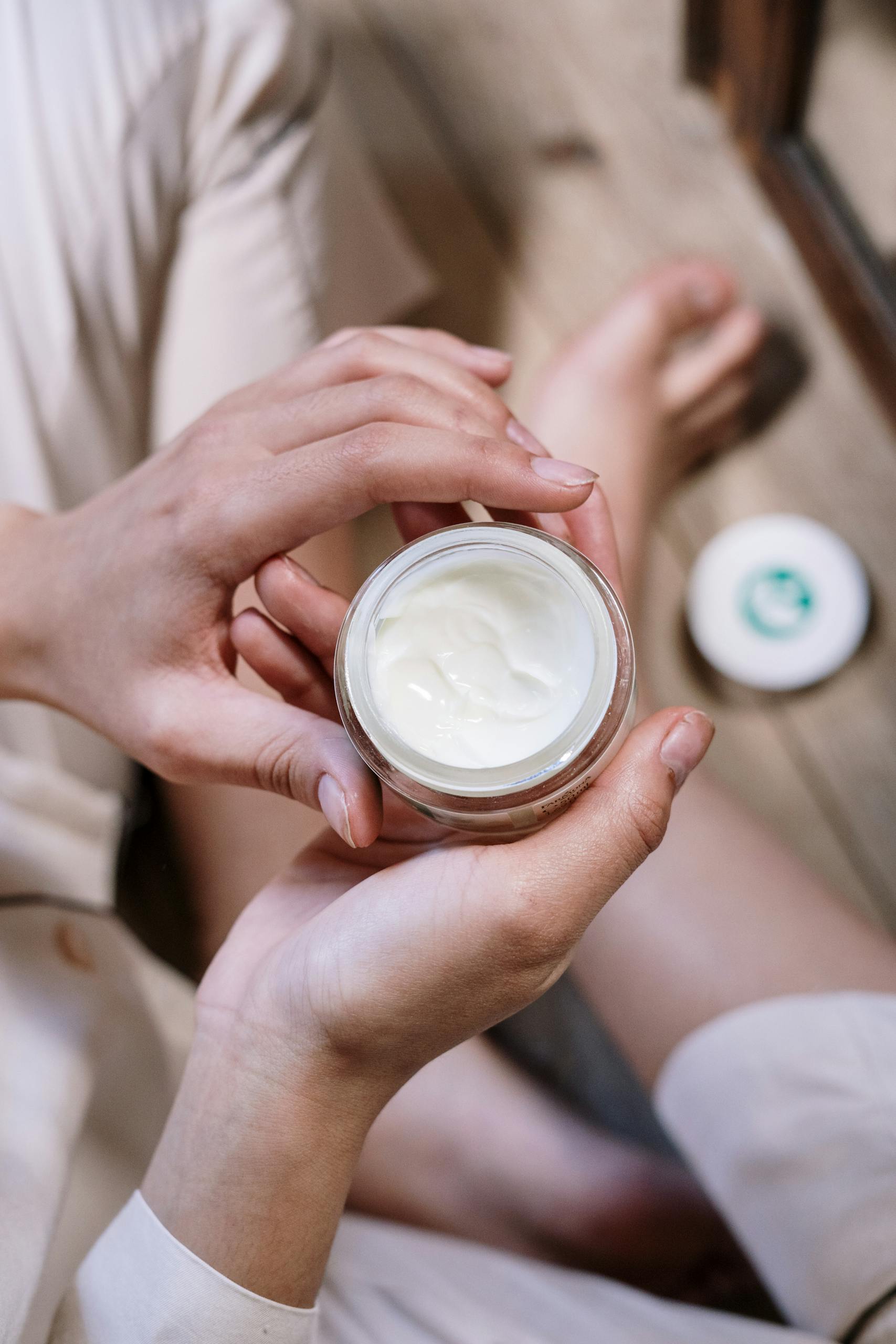
How to tan evenly without streaks
How to tan evenly without streaks comes down to a controlled self-tanning routine: smooth skin first, light product distribution second, and extra blending on dry areas last. When prep, pressure, and product amount stay consistent, color develops as a soft gradient instead of turning into dark lines, patchy spots, or obvious overlap marks.
Most streaks are not random. They usually show up because one area of skin is rougher than the next, because too much formula lands in one pass, or because your hand pressure changes as you move from easy sections like thighs and torso to detail zones like wrists, ankles, feet, elbows, and knees. The fix is not more product. The fix is a repeatable routine that keeps each section balanced, checks the finish under the same lighting, and treats dry areas like places to diffuse color rather than load it up. If you approach self tanner this way, you get a more even result on the first pass and far fewer touch-ups later.
What makes a tan turn streaky in the first place
Streaks have a visual pattern. They show as darker lines where product sat too heavily, patchy absorption where skin texture changed, and uneven depth where one body area developed faster than the next. When you know which mechanical issue created the mark, you can correct your routine instead of guessing.
Uneven skin texture grabs more product
Rough or flaky skin acts like a catch point, so self tanner settles there before it spreads across smoother skin nearby. That is why lower legs, outer arms, and any area with leftover dryness can look speckled or darker in small clusters instead of uniformly bronzed. The finished result often reads as patchiness even when your color choice was right. The practical move is to smooth texture first and use lighter, longer passes on any area that feels less even to the touch.
Dry zones develop darker lines faster
Elbows, knees, ankles, hands, feet, and wrists absorb color more aggressively because the surface is drier and more compact. A normal amount of product on these zones can therefore look like too much once development kicks in, leaving rings around joints or hard edges near the wrists and ankles. What looks subtle during application can deepen into obvious contrast later. Your technique adjustment is simple: keep fresh product minimal there and pull leftover color outward from the surrounding area instead.
Too much product creates visible overlap
Heavy first-pass application tends to sit on top of the skin in thicker bands, especially when you dispense more mousse, lotion, or water than one section can actually absorb evenly. As you go back over it, the overlap line becomes visible because one strip now has double the pigment of the next strip. This is common on calves, forearms, and the sides of the torso where angles change quickly. The practical takeaway is to build coverage with thin layers and add only where the surface still looks lighter, not where it already looks wet.
Rushing application leaves unblended edges
Fast application usually breaks down at transition points, not in large flat areas. You might cover your shin well, then leave a harder edge at the ankle, or finish your forearm but forget to feather product into the wrist and hand. Those unfinished edges read as streaks because the eye catches abrupt depth changes before it notices overall color. The technique implication is to treat every section as incomplete until you have checked and softened its borders on both sides.
Build your even-tan routine before you apply anything
A smoother result starts before the mitt touches your skin. Think of this as your pre-application framework: four variables you control every session so the finish looks familiar, even, and easy to manage.
Start with smooth, clean skin
Remove residue from earlier products, then make sure the skin surface feels even rather than slick, dusty, or textured. A light body polish or prep step helps the formula spread instead of catching in scattered spots, especially on lower legs and upper arms. If one area still feels rough when you run your hand over it, refine that zone before you apply any color.
-
Keep hydration light and targeted
Use a small amount of lightweight moisturizer only where the skin naturally runs drier, such as elbows, knees, ankles, wrists, knuckles, and the tops of feet. The goal is not to coat the body. The goal is to soften the zones that tend to turn darker so they blend more evenly with the surrounding skin. If the surface looks shiny or slippery, you used too much, so wait until it settles or blot it down.
-
Choose one applicator and stick with it
Consistency improves fast when you use the same main tool each time because your pressure, spread, and product pickup become predictable. An applicator mitt usually gives the most even coverage across larger areas, while a small blending brush can refine hands, feet, and the hairline without dumping extra formula. Pick your main applicator before you start and keep the second tool only for detail work.
-
Plan your body order before you begin
You do not need one universal sequence, but you do need a sequence. Decide where you will start, which sections you will group together, and where you will switch to lighter pressure so you are not improvising with half-developed product on the skin. A simple order like legs, torso, arms, then detail zones works well for many people. Set your order in advance and follow it the same way every time until your results are consistent.
Apply self tanner in a way that stays balanced from head to toe
This is where evenness is built. The goal is not speed for its own sake. The goal is to keep every section thin, connected, and checked before the product has a chance to settle into edges or dry patches.
Work in sections instead of covering the whole body at once
Apply self tanner to one defined zone at a time, such as one lower leg, one upper leg, the front of the torso, the back of the torso, and one arm. Start by placing product on the mitt, then spread it across that section with light circular motions to distribute, followed by longer sweeps that even out direction and pressure. Keeping the area small lets you see where coverage is still sheer and where it is already complete, which is much harder to judge if you jump from place to place.
Before moving on, soften the edges where that section meets the next one. On the leg, that means feathering around the ankle and up toward the knee rather than stopping in a visible band. On the arm, it means fading color into the wrist and shoulder line. This sequencing matters because streaks often come from section borders, not from the middle of the section itself.
Use light passes and build coverage gradually
A thin first layer wins because it gives you room to correct. Press the mitt lightly enough that the formula spreads instead of being stamped on, and aim for an even veil rather than instant depth. If you are using an express mousse, the guide color can trick you into thinking more is needed long before it actually is. A gradual tanner is even more forgiving, but the same principle applies: measured passes make the final tone smoother.
At that point, step back and assess the section under the same lighting rather than adding product immediately. If one side reads lighter, add a small amount only to that area and blend outward into what is already there. This controlled build-up creates a more natural finish than a heavy first pass because there are fewer wet stripes and fewer overlap marks competing to develop at different depths.
Blend carefully around hands, feet, elbows, knees, and ankles
Detail zones need a different touch from larger body areas. Once the nearby section is finished, use what is left on the mitt or move to a small brush and work with almost no added product. Sweep from the forearm into the wrist, then lightly over the back of the hand, keeping the knuckles diffused instead of coated. Do the same from shin to ankle and from calf to the top of the foot so the color fades naturally rather than stopping in a ring.
Elbows and knees respond best when they are slightly bent, which smooths the creases and helps you spread a whisper-thin layer over the whole surface. Ankles often turn streaky when product gathers around the bones, so use side-to-side feathering there rather than short, concentrated circles. If your hairline needs blending, a brush with very little residue is the easiest way to keep the face-to-body transition clean without creating a dark border.
These areas matter more than they seem because the eye notices them first. A perfect torso and legs can still look uneven if the hands are too deep or the ankles carry sharp lines. Controlled detail work is what makes a home application read polished instead of rushed.
Check each section before moving on
Pause after every section and inspect it in consistent lighting while the guide color is still easy to read. Look specifically for four things: hard edges at the border, darker tracks where the mitt overlapped, pale gaps near curves, and excess depth on dry points. You are not looking for perfection. You are checking whether the finish is balanced enough that development will stay even.
If you spot a problem, fix it immediately with the same tool you used to apply. A clean side of the mitt can soften a line, and a small brush can diffuse extra color around wrists, ankles, or the tops of feet without spreading the issue farther. Catching these details before you switch sections is what keeps the whole routine efficient, because small corrections are quick while set-in contrast takes much more effort to rebalance later.
How to fix uneven spots before they become obvious
Not every streak means starting over. Most uneven areas can be reduced with a fast correction if you act while the product is still workable and keep the adjustment smaller than the problem.
If one area looks darker than the rest
A darker patch usually means too much formula landed in one pass or a second pass overlapped before the first was fully distributed. Take a clean mitt or the clean edge of your current mitt and buff outward from the darkest point into the surrounding skin until the border softens. If needed, use a tiny amount of leftover product on the mitt to merge the edge rather than adding fresh product directly to the patch. Prevention habit: measure product by section and pause after the first pass before deciding it needs more.
If you notice lines at the wrists or ankles
Those lines happen when the product stops instead of fades, often because the forearm or leg was finished but the transition into the hand or foot was skipped. Use a brush or barely loaded mitt to feather the line in both directions, pulling color away from the band until it looks like a gradient. Keep your pressure light so you are diffusing the edge rather than building a new one. Prevention habit: treat wrists and ankles as transition zones every single session, not as endpoints.
If your hands or feet look overdone
Hands and feet deepen quickly because they are compact, dry, and easy to overwork. If the tops already look too strong, buff with a clean brush in broad strokes from the center outward, then blend a trace of remaining product up the arm or down the leg so the contrast looks more intentional and less abrupt. Do not add fresh formula to the fingers, knuckles, toes, or side bones. Prevention habit: finish these areas last with residue only, then check them from a distance before you leave them alone.
If a patch dries before you blend it
A fast-drying patch usually appears as a small, deeper island with a sharper outline than the area around it. The cause is often hesitation: product sat while you changed position, reached for more, or switched tools. Rework the perimeter first with a clean mitt or brush, then lightly tap and sweep across the center only if the border still stands out. Prevention habit: set your product, mitt, and detail brush within arm’s reach so each section can be finished without interruption.
Small habits that keep every tan looking more even
If your results vary from one session to the next, the missing piece is usually routine stability. Keep your prep window similar each time, apply in the same bright lighting, and use a familiar amount of product for each body zone so your eye learns what balanced coverage looks like. Random changes in timing, lighting, and formula quantity make it much harder to judge whether a section actually needs more or only looks lighter because you are seeing it from a different angle.
When a certain area repeatedly develops darker, do not respond by skipping it or scrubbing harder the next time. Adjust the condition that drives the issue. If elbows and knees always deepen first, keep hydration lighter but more targeted there and use even less fresh product. If calves show overlap marks, reduce the amount on the mitt and lengthen each pass. If your wrists or ankles keep forming bands, spend five extra seconds fading the border before you move on. Small adjustments in pressure and distribution create a bigger result change than switching products constantly.
Good self-tanning technique is built on repetition, not intensity. Use the same mitt, keep a small brush nearby for hands, feet, and hairline, and resist the urge to chase instant depth on the first pass. A controlled routine may feel slower for the first few applications, but it usually turns into the fastest way to get a polished finish because there is less correcting to do. Put your mitt, brush, and product on the counter before you start, then commit to the same measured amount on each section for three sessions in a row and watch how much more even the color becomes.