
What to Put on Skin After a Tanning Bed (And What to Skip)
Most tanning bed guides focus entirely on what to use during the session. The lotion you apply after matters just as much, and almost nobody talks about it with any real specificity.
Here is what actually happens when you step out of a tanning bed: the skin is warm, any bronzer formula in the session is still developing, and the surface tends to feel drier than before you went in. That dryness is worth addressing quickly. Without moisture, color fades faster, patches appear sooner, and the overall result looks less even within two or three days than it would with a basic aftercare routine.
The good news is the routine is not complicated. It comes down to a few product decisions made at the right time.
Wait before you apply anything
The first thing to do after a tanning bed session is nothing. Let the skin cool down for at least ten to fifteen minutes before applying any product. The UV exposure raises skin temperature and keeps pores temporarily open and reactive. Applying lotion immediately to very warm skin can cause uneven absorption, particularly on areas that are naturally drier or thicker, like elbows and knees.
A cool rinse or a brief wait in a cool environment is enough. You do not need to shower. In fact, showering immediately after a session with bronzer-based lotions will strip the cosmetic color before it has time to settle. If you used a DHA bronzer, showering within the first hour interrupts the color development reaction, which continues for several hours after the session ends.
The general rule: if you used an accelerator with no bronzer, rinse when you want. If you used a cosmetic bronzer, wait at least two hours before showering. If you used a DHA bronzer, wait a minimum of four hours.
What to apply after cooling down
A tan extender or after-tan lotion
A tan extender is the most useful post-session product. The category sounds more specific than it is. In practice, a tan extender is a moisturizer formulated to hydrate the skin without ingredients that accelerate color fading. What distinguishes it from a regular body lotion is mainly what it does not contain: no mineral oil, no alcohol, no harsh fragrance compounds, and no exfoliating acids. All of those strip color faster.
The Australian Gold Moisture Lock Tan Extender is the most widely used option in the US for UV tanners specifically. It is designed around the after-session window and does not contain ingredients that compete with the DHA development process if you used a bronzer formula. Hemp Nation Tan Extender by Australian Gold is the second most purchased, with a slightly thicker texture that works better on very dry skin.
For tanners who do not want to buy a dedicated extender, a fragrance-free body lotion with no alcohol and no exfoliating acids does the same job. The formula matters more than the label.
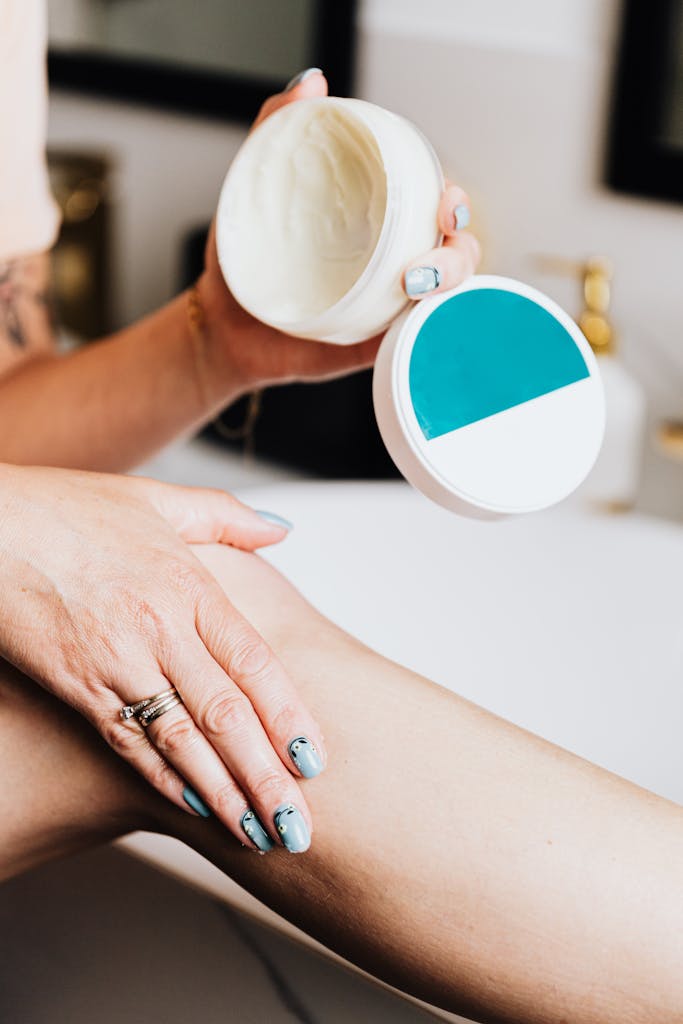
Apply it while the skin is still slightly warm but no longer hot. That window, around ten to twenty minutes after stepping out, is when absorption is most efficient and the color-locking benefit is highest.
Aloe vera gel
If the session ran long or the surface feels tight once you have cooled down, a thin layer of pure aloe vera gel works well before applying any lotion. Look for a formula without added alcohol or fragrance. Those versions absorb cleanly and do not interfere with bronzer development if you used one during the session.
Apply it lightly across the zones that feel driest after a session: shoulders, upper back, and chest tend to need it most. Let it absorb fully before moving on to your tan extender or moisturizer. Aloe handles surface hydration but does not lock color in the way a proper moisturizer does, so treat it as a first step, not a replacement.
What to avoid directly after a session
The products to skip are easy to identify once you know what they do to color. Mineral oil sits on the surface rather than absorbing, which sounds like protection but actually slows moisture retention and can accelerate color transfer to fabric. Alcohol-based products evaporate fast and pull surface moisture with them. On skin that already feels dry after a session, that combination accelerates patchy fading faster than almost anything else.
Exfoliating acids like glycolic, lactic, or salicylic are fine in your prep routine before a session but have no place in aftercare. They speed up surface cell turnover, which is exactly what shortens color. Save them for the days before your next session, not the days after.
Hot showers strip the surface oils that hold color in place. Keep them short and lukewarm. Fragrance-heavy body lotions are not a problem for everyone, but if your tan consistently fades in uneven patches, switching to a fragrance-free formula after sessions is the first variable worth changing.
The post-session routine
Time needed: 5 minutes
That is the full routine. The total time investment is under five minutes for the products themselves. The difference in how long the tan lasts is measurable.
- Let skin cool down before applying anything
Step out and wait ten to fifteen minutes before reaching for any product. UV exposure raises skin temperature and keeps pores temporarily open and reactive. Applying lotion immediately to hot skin causes uneven absorption, particularly on drier zones like elbows and knees where the formula concentrates faster than on flatter surfaces.
You do not need to shower at this point. If you used a DHA bronzer during the session, getting wet too soon interrupts the color development reaction, which continues actively for several hours after you step out of the bed. - Apply aloe vera if skin feels tight or reactive
If the session ran long or certain areas feel tight once you have cooled down, a thin layer of pure aloe vera gel works well before applying any lotion. Look for a formula without added alcohol or fragrance. Those versions absorb cleanly and do not interfere with bronzer development.
Apply it lightly across the zones that feel driest after a session. Shoulders, upper back, and chest tend to need it most. Let it absorb fully before moving to the next step. Aloe handles surface hydration but does not lock color in the way a proper moisturizer does, so treat it as a first step, not a replacement. - Apply a tan extender or fragrance-free moisturizer
This is the most important step of the post-session routine. Apply a tan extender or fragrance-free body lotion while the skin is still slightly warm, around ten to twenty minutes after stepping out. That window is when absorption is most efficient and the color-locking benefit is highest.
A tan extender is a moisturizer formulated without the ingredients that accelerate fading: no mineral oil, no alcohol, no exfoliating acids. The Australian Gold Moisture Lock Tan Extender is the most widely used option among UV tanners in the US and is designed specifically for this post-session window. Hemp Nation Tan Extender by the same brand works well for very dry skin because of its thicker texture.
Work through the body in sections. Use noticeably less product on elbows, knees, ankles, and hands than on broader areas like thighs and torso. Those zones absorb more formula and can develop unevenly if overloaded. If you want more detail on which tan extenders to choose and how they compare to regular moisturizers, the best lotion after tanning bed article covers the options side by side. - Wait before showering
How long you wait depends on the lotion type you used during the session.
If you used an accelerator with no bronzer, you can rinse when you want. If you used a cosmetic bronzer, wait at least two hours so the surface color has time to settle before water contact. If you used a DHA bronzer, wait a minimum of four hours. DHA development is a chemical reaction between the active compound and amino acids in the outermost skin layer. Water stops that reaction. Rinsing early produces a lighter, less even result than the formula is capable of delivering. - Shower with lukewarm water and a gentle body wash
When you do shower, keep the water lukewarm rather than hot. Hot water opens pores and strips the surface oils that hold color in place. Keep the shower short. Use a gentle, non-exfoliating body wash and avoid scrubbing. Pat the skin dry with a towel rather than rubbing. Rubbing is effectively light exfoliation and that is exactly what shortens a tan.
Avoid any body wash that contains exfoliating acids, microbeads, or strong surfactants. If the label lists glycolic acid, lactic acid, salicylic acid, or anything labeled as AHA or BHA, save it for your pre-session prep routine, not the aftercare. - Moisturize again after showering
Apply moisturizer a second time immediately after the shower while the skin is still slightly damp. Post-shower is actually the second most effective application window of the day because the skin absorbs product more readily when the surface barrier is open from water contact.
Any fragrance-free body lotion without alcohol or exfoliating acids works here. If you are using a dedicated tan extender, this is a good moment for a second light application. It does not need to be heavy. A thin, even layer across the whole body is enough.
How often to moisturize between sessions
Daily moisturizing between sessions is the single most effective thing you can do to extend a tanning bed result. The tan sits in the surface layer of skin, which naturally sheds over time. Keeping that layer hydrated slows the visible fading process.
A plain fragrance-free body lotion applied once a day is enough for most people. A dedicated tan extender applied every two to three days produces a slightly better result by actively supporting the color layer rather than just hydrating around it. You do not need both unless you are trying to maintain a very deep result between infrequent sessions.
Avoid applying anything with exfoliating acids during the maintenance window. That means checking the ingredient list on any new body lotion or body wash you pick up. Glycolic acid in particular is common in moisturizers now and not always obvious from the product name.
The full breakdown of moisturizing timing and product choice for maintaining color is in the moisturizing for tanning guide. For everything that goes into the session itself, including which lotion type fits your experience level, the best tanning bed lotion ranking covers the decision by skin type and session frequency. And if you want to understand why the tan fades the way it does, the how long does a tan last guide explains exactly what drives the timeline.
The cheatsheet table
| Timing | What to do |
|---|---|
| Immediately after session | Wait, let skin cool. No product yet. |
| 10-15 min after | Apply aloe if skin feels reactive, then tan extender or moisturizer |
| 2-4 hours after | Shower if needed (timing depends on lotion type used) |
| After shower | Apply moisturizer while skin is still slightly damp |
| Daily between sessions | Fragrance-free body lotion or tan extender every 2-3 days |
| What to avoid | Mineral oil, alcohol, exfoliating acids, hot showers, heavy fragrance |
The most asked questions
Yes, but timing matters. If you used an accelerator with no bronzer, you can shower when you want. With a cosmetic bronzer, wait at least two hours. With a DHA bronzer, wait a minimum of four hours. Showering too soon stops the color development reaction before it completes, which produces a lighter and less even result than the formula is capable of delivering.
The safest window for most people is four to eight hours after the session. That covers both cosmetic and DHA bronzer formulas. If you only used an accelerator with no bronzing agents, one to two hours is fine. When you do shower, use lukewarm water and a gentle body wash, and pat dry rather than rubbing.
Avoid hot showers, mineral oil-based lotions, alcohol-based products, exfoliating acids, and anything with strong synthetic fragrance. All of these accelerate color fading. Rubbing the skin dry with a towel is also worth avoiding since it acts as light exfoliation on the surface where the color lives.
Yes, but not immediately before. Showering removes surface oils and product residue that could cause uneven lotion absorption during the session, which is useful. The problem is that freshly showered skin is often still slightly damp, and wet skin absorbs UV unevenly. Shower at least one to two hours before your session and make sure skin is completely dry before applying your tanning lotion. For the full prep routine, the prepare skin for self tanning guide covers the timing in detail.
Peta Jane Self Tanner Review: Does the Allure-Winning Mousse Actually Deliver?
GlowDrop Review: Do Drinkable Tanning Drops Actually Work?
Self-Tanner on Tattoos: How It Changes the Look of Healed Ink
How to Self-Tan Hands Without Orange Knuckles
Cyklar Self-Tanning Milky Essence Review: Who Is It For?
Melanotan II vs DHA Self-Tanner: What the Barbie Peptide Gets Wrong