
Why Can’t I Tan? 5 Reasons and How to Fix Each One
You spent hours outside and nothing happened. No color. No visible change. Maybe you went slightly pink and then it disappeared by the next morning. It feels like you’re doing everything right, but your skin just isn’t responding.
That pattern shows up more than most people expect. And almost every time, the cause is specific and fixable. It’s rarely that your skin just doesn’t tan. It’s usually one of the same few variables, and once you identify which one applies to you, the fix is straightforward.
Short answer: when you’re in the sun and getting no color, it’s usually one of five things. You’re tanning in the weak afternoon UV, your skin type sets a lower ceiling, your skin isn’t prepped to hold color, your SPF is blocking the UV you need, or you’ve hit the daily melanin limit. Find yours below.
What’s actually stopping your tan?
Most people fall into one of these four situations:
You sit in the sun and literally nothing happens: start with timing and UV index. That’s the most common cause by a wide margin.
You go slightly pink or red but never brown: skin type is the main variable here. More time in the sun won’t solve it. A different approach will.
You see some color but it disappears within a day or two: the problem is surface prep and hydration, not exposure volume.
You tan slowly and want faster results: go straight to the tanning oil and accelerator sections below.
You’re tanning at the wrong time of day
Most people who say they spent all day in the sun were actually outside from 2pm to 6pm. That window produces some of the weakest tanning output of the entire day.
UV follows a curve. It peaks between 10am and 2pm depending on location and season. Outside that window, particularly late afternoon, you can sit in direct sun for two hours and receive so little effective UV that your skin barely responds. The light feels strong. The heat feels real. The tanning does almost nothing.
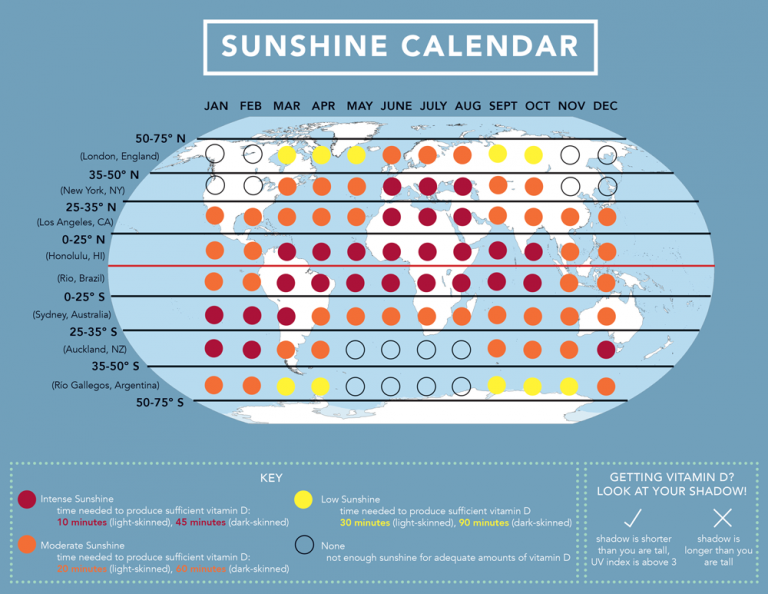
If you’re tanning at 4pm, you’re sitting in the sun without triggering meaningful color development. That’s the whole explanation for a lot of people.
Tanning in the afternoon is the single most common reason people see no results despite real effort. If you’re consistently going outside after 2pm, that’s likely the entire problem. It shows up a lot on holiday, when sessions happen around lunch and in the afternoon instead of before 11am.
What to do: Move sessions earlier. A 45-minute window between 10am and noon in good UV conditions produces more visible color than two hours at 4pm. The best UV index for tanning guide covers exactly which conditions to look for and how to read your local index before heading out. The best time of day to tan goes deeper on how the curve shifts by season and location.
Your skin type is setting a harder ceiling than you realize
Skin produces two types of pigment. Eumelanin is the brown pigment responsible for a tan. Pheomelanin is the red-orange pigment that produces redness and burning instead. The ratio between them is largely genetic, and it determines how the skin responds to UV.
People with a high pheomelanin ratio don’t tan deeply regardless of how much time they spend outside. Their skin’s defense response produces redness rather than color. That’s not a technique problem. It’s a biological baseline and if your skin consistently goes red before it develops any bronze, the burn cycle has its own set of fixes.
The ceiling is lower, the process is slower, and skipping prep steps costs more than it does for other skin types. That’s the real picture.
What to do: Short and consistent sessions build more color than long infrequent ones for this skin type. Your skin needs time to deposit pigment gradually rather than forcing it in a single session. How long it takes to tan and can pale skin tan cover realistic expectations by type. If you’re hitting that ceiling and want visible color regardless, the self-tan section at the bottom of this article is worth reading.
Your prep is blocking the results
Dead surface cells don’t tan. They sit on top of the skin, absorb some UV, and shed within days, taking any early color development with them.
Going into the sun without exfoliating in the 24 to 48 hours before means building color on a surface that’s about to turn over. The sessions feel like they’re working. The color disappears faster than it should because it never had a clean base to develop on.
Dry skin compounds the problem. Dehydrated surface cells don’t absorb UV efficiently and don’t hold color when it does develop. The tan fades patchily even when it appears.
Prep is where results often stall, and it’s the variable most people skip without realizing the cost.
What to do: Exfoliate the day before a planned session, not immediately before. Going into UV exposure right after exfoliating leaves the skin reactive. The day before gives the surface time to settle. Keep the skin hydrated between sessions. The moisturizing for tanning guide explains the timing and which product types hold color versus the ones that strip it faster.
Your SPF is working against you
High SPF blocks most of the UV your skin needs to actually develop color. It doesn’t separate the UV that burns from the UV that triggers tanning. It reduces all of it.
Using SPF 50 from morning to evening produces very little color, especially for skin types that already tan slowly. This is one of those variables that surprises people because the logic feels backwards , you’re outside, you’re protected, and you’re seeing nothing. But the protection is the reason.
When you’re already in a marginal UV window, with partial cloud cover or lower UV index, a high-factor sunscreen becomes the deciding factor between visible color and none.
What to do: Match SPF to conditions and goals. Higher SPF makes sense for the face and for longer outdoor exposure not focused on tanning. Lower SPF during a deliberate tanning window gives the UV needed to actually develop color. The does sunscreen stop tanning article covers exactly how each SPF level affects development and what the practical tradeoffs look like.
You’re hitting the daily melanin limit
Your skin can only produce a certain amount of pigment in a given session. Past that point, more sun exposure doesn’t generate more color. It generates more surface stress with no additional tanning benefit.
For most skin types, that limit lands somewhere between 45 minutes and two hours of effective UV exposure. After that, you’re in the sun but not tanning any faster. The color that develops from a session also doesn’t appear immediately. It takes 24 to 72 hours to fully surface.
The person who spends an entire day in the sun doesn’t necessarily tan more than the person who did two focused 45-minute sessions over two days. The biology doesn’t accumulate linearly within a single day.
What to do: Shorter and more frequent sessions consistently outperform marathon sessions with gaps between them. Three 45-minute sessions across a week will produce more even, lasting color than one long afternoon every ten days. Consistency matters more than intensity for building a base.
Used to tan easily and now you can’t?
If you tanned fine before and now you don’t, look at what changed around your skin first. Did you start a retinoid or an AHA exfoliant? Those speed up cell turnover, so color sheds before it settles. Are you outside later in the day than you used to be, or is it a time of year with a lower UV index? Is your SPF higher than last time? Sort those out before you blame your skin. If nothing has changed and color still won’t build, you’ve probably reached the ceiling for your skin type, and a self tanner will get you further than more sun.
Why tanning oil changes results here
If you’re doing everything right and still seeing slower results than expected, a tanning oil is usually the next variable worth adding.
Tanning oils work by concentrating UV onto the skin surface, increasing the intensity reaching the melanocytes. Some formulas also include tyrosine, a precursor to melanin production. The combination speeds up color development during sessions that would otherwise produce only gradual results.
An oil won’t change your biological ceiling. It makes each session more efficient within that ceiling. For slow tanners, that efficiency difference is noticeable session to session.
What to do: Apply tanning oil before exposure, not during. It needs time to absorb before it functions as intended. The how to use tanning oil guide covers application timing and layering with SPF when needed. For ranked options by result, the best tanning oil for a dark tan guide is the place to start.
Less obvious factors that slow color development
Some variables don’t come up in standard tanning guides because they’re not the first cause to check. But they matter once timing, prep, and SPF are already sorted.
Hydration levels. Spending time in the sun while consistently dehydrated reduces tanning output and accelerates how quickly color fades afterward. Drinking consistently throughout the day before and after sun exposure makes a visible difference over time. It’s a small shift that compounds across sessions.
Water exposure. Chlorine and salt water both strip surface moisture and accelerate skin cell turnover. Spending long sessions in a pool or the ocean means the exfoliation effect of the water works against color retention. Moisturizing thoroughly after water sessions counteracts most of it.
Certain skincare ingredients. Retinoids and AHA exfoliants accelerate cell turnover when used regularly. If these are in your daily routine and tanning results are slower than expected, the turnover rate may be outpacing color development. Timing those products away from tanning sessions rather than stopping them is usually enough to shift the balance.
When to switch to self-tan instead
Some skin types have a natural tanning ceiling that timing and product optimization won’t move past. If the variables above are addressed and you’re still seeing minimal color development, that ceiling may simply be where your biology sits.
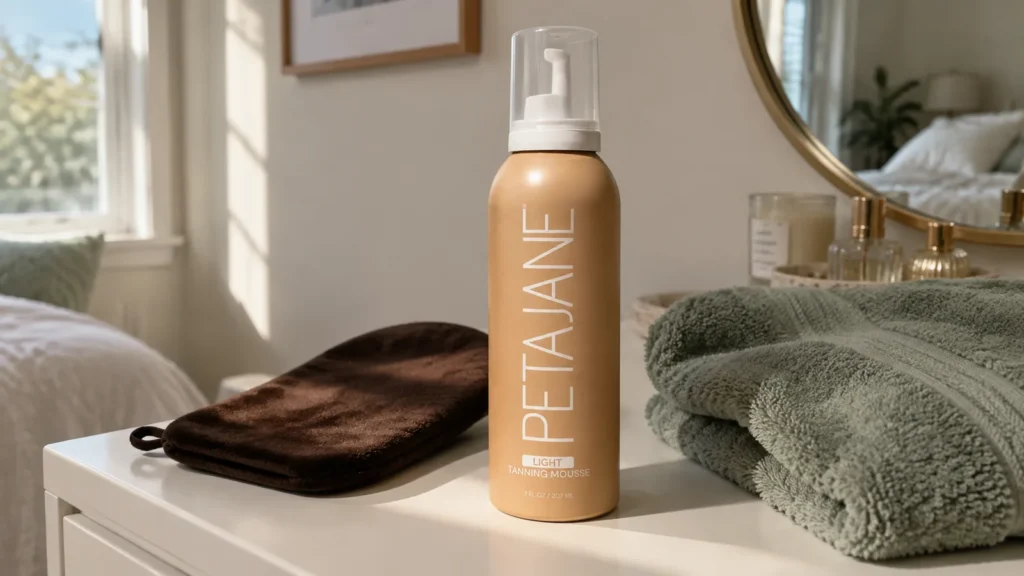
Self-tanner works through a chemical reaction with the surface layer of skin rather than UV. It’s not limited by melanin production or skin type. The color you get depends on formula, application, and prep, all of which are controllable.
For anyone in that position, best self tanner for pale skin covers the formulas that work without going orange. How to apply self tanner correctly covers the application mechanics that separate a result that looks natural from one that doesn’t.
What actually fixes this, by situation
Most people only need to fix one of these to start seeing real results.
Nothing happens at all: Check timing first. If you’re going out after 2pm consistently, move to morning. Reduce SPF to a level appropriate for your skin type and conditions. Add a tanning oil once timing and prep are sorted.
Color appears but fades too fast: The issue is surface prep and hydration. Exfoliate the day before sessions, moisturize consistently between them, and avoid long pool exposure in the days after tanning without rehydrating.
You burn instead of tan: Shorter sessions, SPF matched to your skin’s tolerance during peak hours, and consistency over volume will produce more color with less surface stress. If your skin consistently goes red without developing brown undertones, self-tan is a more reliable path than UV.
You want noticeably faster results: Timing combined with a tanning accelerator is the combination that moves the needle most. The how to tan faster guide covers the full approach.
just found this while googling why my tan has been so off this summer and wow, this is literally my exact situation. I used to get color really easily, minimal effort and I’d be golden within a couple days. This year I’ve been out for hours and nothing is happening?? The melanin part was kind of a lightbulb moment honestly. Quick question tho, is there anything you can actually do to speed things up, or is it just how it is now?
Hey Kayla! Yes, and it usually depends on which of the reasons in the article is actually yours. The most common one I see is people being out at the wrong time of day. If you’re not hitting the UV window it tends to not matter how long you stay out. Exfoliating before each session also makes a bigger difference than most people expect. If you’re doing both consistently and still nothing, that’s when the melanocyte piece kicks in, and that one’s more about patience than effort. What time of day are you usually going out?
does skin actually hit a ceiling where it stops getting darker no matter what? feel like i’ve completely plateaued this summer, same time outside as last year and i’m getting nowere near the colour i used to. bit frustrating tbh
Sounds familiar, and yes, there’s a real ceiling. Your skin can only produce so much melanin in a single session, and once it hits that point, extra time in the sun doesn’t add more color. It just stresses the skin. Spacing sessions out works better than going longer. A few shorter ones across the week will get you further than one long afternoon, every time. Also: the color you do develop takes a couple of days to fully show up. You might actually be getting more than you think.