
How to Fix Patchy Self tan: Fast correction without streaks
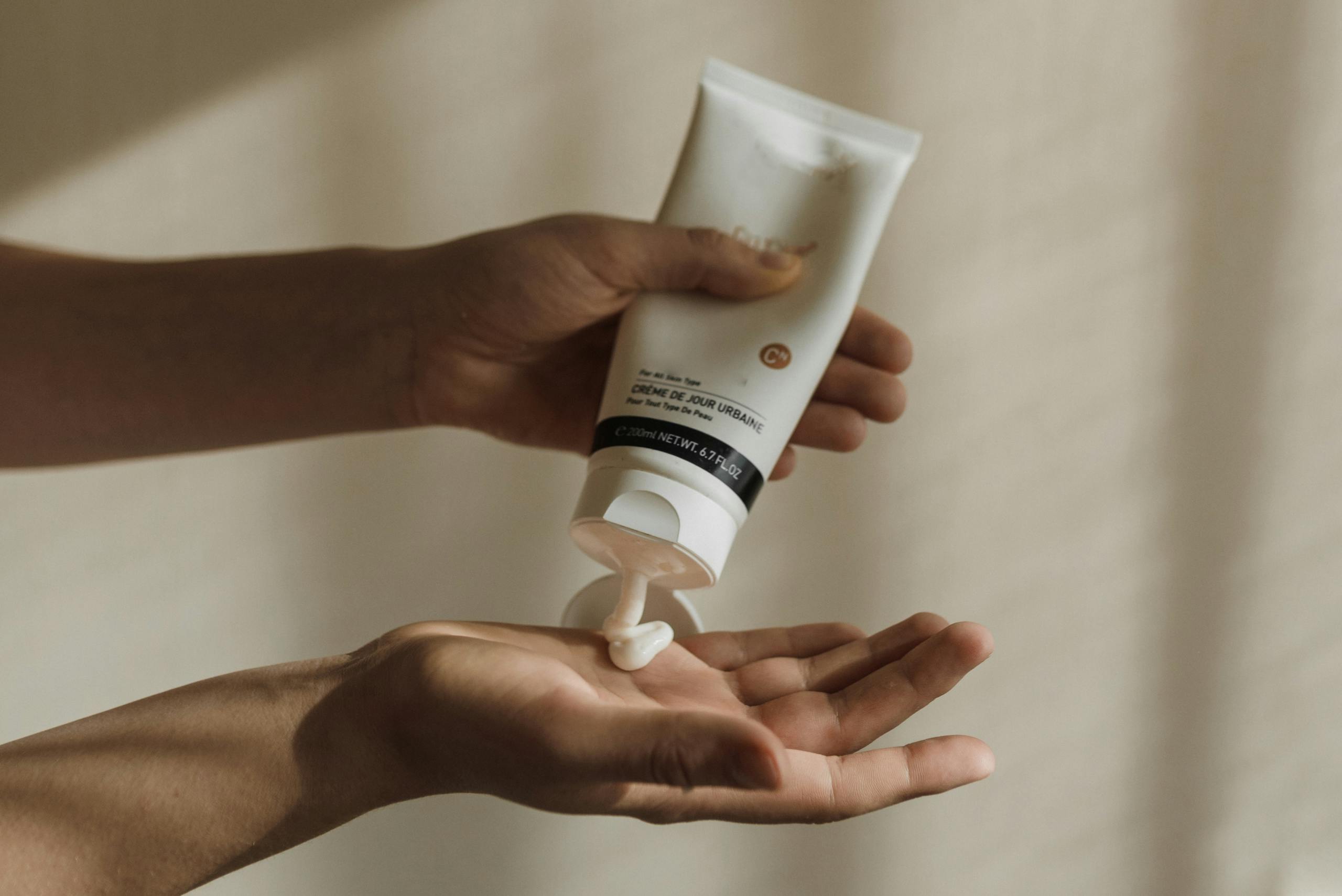
How to fix a patchy self tan without making it worse
Your tan looks darker on elbows, wrists, or ankles and lighter everywhere else, so the fastest way to fix patchy self tan is to read the patch first, soften it with warm water, reduce buildup only where needed, and then reapply a whisper-thin layer where color dropped out.
Time needed: 30 minutes
This guide walks the reader through a practical correction process for uneven, patchy self tan. By following the steps in order, they can fade rough areas, rebalance color, and reapply product with a cleaner finish.
- Assess the patchy areas
Check where the self tan looks dark, light, dry, or broken up so you know whether the area needs light removal, hydration, or a small reapplication. Focus on elbows, knees, ankles, wrists, hands, and any visibly uneven sections.
- Soften the surface first
Use warm water or a damp cloth to loosen dry, clingy patches before exfoliating. This helps the tan lift more evenly instead of breaking into harsher streaks.
- Buff away the darkest buildup
Gently exfoliate the patchiest areas with a tan-removing or smoothing method until the color looks more balanced. Work lightly and stop once the contrast is reduced rather than trying to strip everything off.
- Hydrate dry edges and textured spots
Apply a light layer of moisturizer to dry zones and the borders of the corrected area. This creates a smoother base so the next layer blends instead of catching on rough skin.
- Reapply self tanner in thin layers
Use a mitt or blending tool to add a small amount of self tanner only where color needs to be rebuilt. Feather the product outward so the repaired section merges with the surrounding tan.
- Blend and let it develop undisturbed
Buff over the area once more to remove visible edges, then allow the product to develop fully before judging the final result. Avoid adding more product too soon, since overcorrecting usually creates a second patchy layer.
The mistake that usually makes the finish worse is trying to do everything at once. If you scrub the whole area aggressively, you create a larger pale patch. If you add more formula immediately, the dark parts get darker and the faded parts often stay uneven. A better repair sequence is simple: lower the contrast, smooth the surface, then rebuild color only where it is missing. That keeps the correction controlled and gives you a better blend line around the repair.
Most patchiness falls into three buckets. Dark buildup usually sits on dry texture or joints. Dry patchiness looks rough, flaky, or sharply edged. Light faded sections usually mean the formula developed less there or wore off faster. You can improve all three in one session, but the final tone may not be obvious right away. Freshly reapplied self tanner still needs its normal development window, so the area can look slightly underdone at first and then settle in over the next several hours, sometimes overnight.
What you need before you start
Set out a small correction kit before you touch the patchy area. The goal is not heavy removal. It is a light-touch reset that lets you blend the repair instead of chasing it around with too much product.
Gather a soft exfoliating tool
A gentle exfoliating mitt, soft washcloth, or mild tan eraser product gives you enough friction to lift buildup without stripping the whole section. You want something that can blur hard edges, especially on hands, elbows, knees, ankles, and feet.
Choose a light moisturizer
Pick a lightweight lotion that sinks in quickly instead of leaving a thick film. This is your buffer for dry edges and textured spots before reapplication, not an all-over coating.
Set out your self tanner and mitt
Use the same mousse or lotion if possible, plus a clean mitt for precise blending. A familiar formula makes the repaired area more likely to match the surrounding color once it develops.
Keep a damp cloth nearby
A barely damp cloth helps wipe fingertips, soften a hard line, or lift excess before it sets. Small course corrections matter more than big fixes during a patch repair.
Step-by-step: correct the patchy self tan
Follow this in order and resist the urge to jump ahead to more color. Each step sets up the next one. When the surface is even first, the reapplication looks intentional instead of streaky.
Step 1: Assess the patchy areas
Stand in bright natural light and look at the area from a normal distance, not inches from the mirror. You are trying to spot which sections are too dark, which sections are dry and rough, and which sections simply look lighter than the rest. That distinction matters because each one needs a different correction.
Dark buildup usually appears denser on elbows, knuckles, wrists, ankles, and around the sides of feet. Dry patchiness often has a sharper edge and a slightly cracked look. Light patches are flatter and cleaner, with less obvious texture. If more than one type is showing in the same zone, handle the dark or rough part first and leave the light part for reapplication later.
Before moving on, decide where you are going to touch and where you are going to leave alone. If an area already matches well enough, do not involve it in the repair.
Step 2: Soften the surface first
Use warm water to loosen the top layer before you buff anything. A short shower, a warm damp cloth held over the patch for a minute, or a quick rinse is enough. This matters because dry, rigid buildup tends to lift unevenly, while softened color blurs more gradually.
You do not need a long soak. If the area becomes overly wet, the texture can feel slippery and harder to judge. At this point, pat the section until it is just damp or slightly softened, then move on while the surface is still workable.
The cue to stop here is simple: the patch should feel more pliable, not saturated. Once that is done, you can buff with much less pressure.
Step 3: Buff away the darkest buildup
Take your soft mitt, washcloth, or tan eraser product and work only on the darkest spots first. Use light circular passes or short back-and-forth motions. Keep the pressure even and stay focused on the dense center of the patch, then soften outward a little so you do not leave a hard border.
This step is about reducing contrast, not removing every trace of color. On elbows, knees, ankles, and hands, a few controlled passes usually do more than repeated scrubbing. If the patch starts to look one shade closer to the surrounding area, you are getting the result you want.
At this point, check the area dry, not dripping wet. A wet patch can look lighter than it really is. Stop buffing when the darkest buildup no longer pulls all the attention. If you chase total removal, you often create a larger blank spot that needs even more repair.
Step 4: Hydrate dry edges and textured spots
Now switch from lifting color to smoothing the landing zone for fresh product. Dot a light moisturizer onto dry rims, rough texture, and any place that tends to grab color too fast. Think elbows, knees, ankles, wrists, the tops of hands, and around the sides of fingers and toes.
Feather the lotion beyond the patch instead of leaving a thick ring right on top of it. The goal is a thin cushion that helps the new layer spread evenly. Heavy all-over moisturizer can dilute the correction and make the reapplication slide, so keep it targeted.
Give it a minute or two to settle. When the area feels smooth but not slick, you are ready for color.
Step 5: Reapply self tanner in thin layers
Dispense a very small amount of self tanner onto a mitt. For a small repair, less is almost always better than what feels intuitive. Press or feather the product onto the lighter sections first, then blend outward into the surrounding tan with whatever remains on the mitt.
If the patch is narrow, use a tapping motion at the center and soft sweeping strokes at the edges. If the patch sits near a joint or dry zone, keep most of the formula off the bend itself and place the stronger color slightly around it. That gives you a softer transition once the tan develops.
Do not keep layering until the color looks perfect immediately. Freshly applied tanner often appears lighter before development, especially over moisturized spots. One thin pass is usually enough for the first correction. If it still looks a touch light, let it process first and reassess later rather than doubling down right away.
Step 6: Blend and let it develop undisturbed
Turn the mitt to a cleaner area, or use a barely damp cloth, and soften the outer edge of the repair with a few gentle sweeps. This final blend step matters because the border between old color and new color is where streaks usually show up first.
Then leave the area alone long enough for the formula to settle fully. Avoid checking every few minutes and resist adding more just because the fresh layer looks subtle at the start. Most formulas need their normal development time before the repaired area shows its real tone, so what looks slightly light now may match far better later.
If the patch is on hands, elbows, or ankles, one last pass with the clean side of the mitt can make a big difference. You are not adding product here. You are simply softening the transition so the repair reads as part of the original finish.
What to do if the patchiness is still showing
Sometimes the first correction gets you 80 percent of the way there and that is normal. The best next move depends on what you are seeing now, not what the patch looked like at the start.
If the area is still too dark
The patch still looks too dark because there is either leftover buildup or too much fresh product sitting on a textured spot. Go back to warm water and a few light buffing passes on the densest part only. Then blur the edge with your damp cloth.
Keep the fix small. You are aiming to take the top off the depth, not erase the whole section. A useful prevention habit is to stop your first buffing round as soon as the contrast drops, then reassess the area dry before doing more.
If the area turned orange or muddy
An orange or muddy look usually means fresh tanner went over old dense color, or the formula settled into rough texture. Lift that top layer gently with your mitt or a tan eraser product, then give the area a short pause before deciding whether it needs any color back.
If you do reapply, make it a micro-layer on a smoother surface with moisturizer only on the grabby edges. Prevention is simple here: never correct muddy color by piling more product on top of it.
If the patch looks lighter than the rest
A lighter patch often means the first reapplication was intentionally conservative, or the moisturizer diluted the pass more than expected. Wait until full development time has passed before you judge it. Many repairs even out later than you expect.
If it is still pale after that window, add a second tiny layer to the center of the light spot and feather outward with leftover product on the mitt. The prevention habit is to keep round one thin and controlled, then build only if the developed result truly calls for it.
If hands, elbows, or ankles still look uneven
Those areas stay uneven because they hold onto buildup and grab fresh color fast. Lightly buff the darker creases, press a small amount of lotion into the driest ridges, and then use only the residue left on your mitt to blend the lighter parts. Full pumps of product on these zones are what usually create the mismatch.
Work from the larger area into the joint rather than starting on the joint itself. As a prevention habit, treat hands, elbows, and ankles as blend zones on every future application, not as places that need a full coat of their own.
How to keep the finish even after the repair
A good patch fix is only half the result. The other half comes from not undoing it with rushed touch-ups or heavy-handed application the next time around.
Wait before judging the final color
If you assess the area too early, you will almost always be tempted to add more. The better adjustment is to give the repaired section the same full development window your formula normally needs. The result is a more accurate read on tone and far fewer overcorrections.
Moisturize the areas that grab color fastest
If elbows, knees, ankles, wrists, or knuckles go dark first, change the prep there, not everywhere else. A light layer of lotion on those spots before your next application makes the finish smoother and keeps the color from collecting in the driest texture.
Use less product on joints and dry zones
If patchiness keeps showing up in the same places, the volume is probably too high. Cut the amount on joints and dry areas by at least half and let the surrounding tan do most of the visual work. The payoff is a cleaner fade and fewer obvious touch-up points later.
Blend leftover product outward instead of layering heavily
If a section needs a little more depth, reach for the residue on your mitt before you reach for another full pump. That small change gives you a softer transition line and keeps one area from developing darker than the rest.
On your next application, tan the larger areas first and leave hands, feet, ankles, and elbows for the final few seconds with only what remains on the mitt. That is usually the difference between a repair you can spot and a finish that just looks even.