
Self Tanner Face Application: A Clean, Even Glow From Start to Finish
How to get an even self-tan on your face
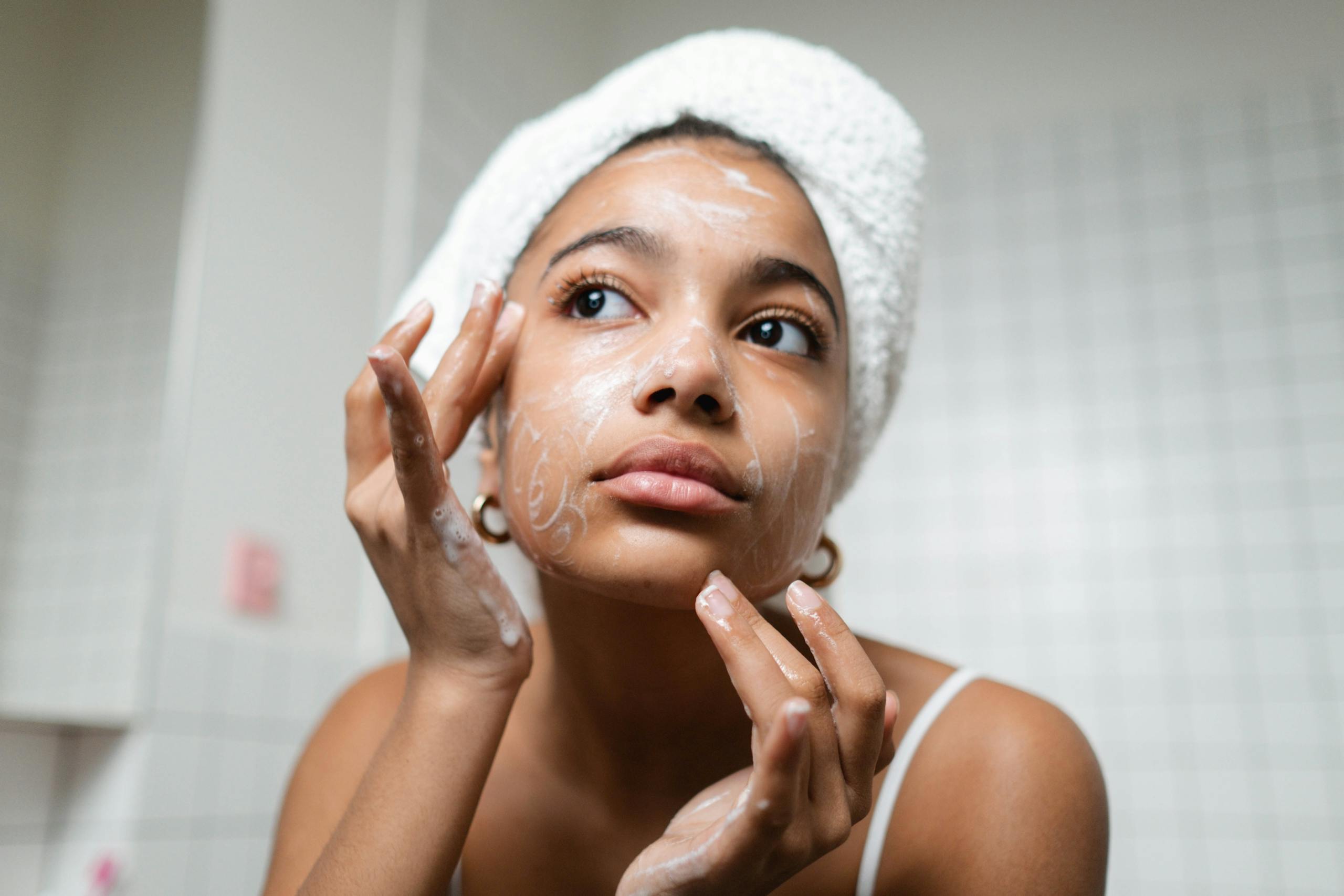
For even self tanner face application, start on clean, dry skin, use less product than you think, press it onto the center of the face first, then blend outward with a softer touch around the hairline, brows, nose, mouth, ears, and jaw. The result comes from control and placement, not from a heavy coat.
Time needed: 20 minutes
Learn how to apply self tanner to your face in the right order for smooth, even, natural-looking color. This process helps the reader prep properly, control product placement, and blend cleanly around detailed facial areas.
- Prep and dry your face
Start with a clean face free of makeup, oil, and leftover skincare film. Lightly hydrate dry areas and let the skin dry fully before you begin.
- Choose the right amount of product
Dispense a small amount of face tanner or mix self tanner with a basic moisturizer if needed. Using less at first gives you better control and makes the finish easier to build.
- Apply tanner to the center of the face
Spread product across the forehead, cheeks, nose, and chin using light, even motions. Keep coverage thin and consistent instead of concentrating too much color in one area.
- Blend around the hairline, brows, and jaw
Soften the edges carefully around the hairline, eyebrows, ears, and jaw so there are no obvious lines. Use whatever product remains on your applicator rather than adding more.
- Use a light hand on detailed areas
Go over the nose, around the mouth, and near the eyes with minimal leftover product. These spots develop quickly, so a lighter pass gives a more natural result.
- Wash hands and let the face set
Clean your hands immediately if you applied with fingers, or set the mitt aside. Let the product dry before makeup, heavy skincare, or contact with fabric.
Your goal is a thin layer that looks balanced from every angle, not the deepest possible color on the first pass. A dedicated face tanner gives you more room to build gradually, but a regular self tanner can still work if you use a smaller amount or mix it with a little moisturizer. Keep the strongest placement on the broader central areas, let the edges fade softly, and always blend a little onto the neck so the finish looks connected rather than separate.
What to do before you apply self tanner to your face
Before product touches your face, set up a clean, balanced base. These prep moves are quick, but they decide how smoothly the tanner spreads and whether detailed areas stay soft or turn noticeably deeper than the rest of your color.
Clean and fully dry your skin
Start with a fresh face free of makeup, oil, leftover tint, and anything slick on the surface. Pat dry carefully, then give the skin another minute or two so the sides of the nose, the hairline, and the corners around the mouth are fully dry. Tanner develops more evenly on a settled surface than on one that still feels damp from cleansing.
Lightly moisturize dry zones
Add a very small amount of moisturizer only where product tends to catch: around the nostrils, across the upper lip if it runs dry, between the brows, along the chin, or near a flaky patch on the jaw. Spread it until there is no visible film. You are not coating the whole face. You are just softening the spots that would otherwise grab too much color.
Pull back hair and protect your edges
Use a headband or clips so the hairline stays clear and you can see the full outline of the face. If your brows are dense or you have fine baby hairs around the forehead, smooth a trace of moisturizer right at those edges so the tanner feathers instead of sticking in a hard line. Take earrings out if they sit close to the lobe or jaw.
Choose your applicator and product amount
A mini mitt, dense blending brush, or tanning drops mixed into moisturizer all work well if the product load stays light. For a dedicated face tanner, start with a small amount that barely coats the tool. For a regular self tanner, use even less or dilute it with moisturizer so the first pass stays thin. If the applicator looks glossy or wet, you already have more than you need.
Step-by-step self tanner face application
Now follow the application in order. Working in the same pattern every time keeps one side from developing deeper than the other and makes pressure easier to control. Stand in even light, face the mirror straight on, and think in two zones: broad central areas first, detailed edges second.
Step 1: Prep and dry your face
Start with the prep above, then do one last dryness check with clean hands. If any area still feels slippery, especially around the nose, mouth, or brow area, blot off the excess before you begin. This matters because facial tanner tends to collect wherever moisture is left sitting, and that is what creates patches that look heavier than the rest of the finish.
Keep your expression neutral while you work. A relaxed face gives you a flatter surface through the upper lip, smile lines, and chin, which makes placement easier to judge from the first pass.
Step 2: Choose the right amount of product
Put a small amount of tanner onto your tool and spread it through the surface before it touches your face. With tanning drops, mix a few drops into moisturizer until the blend looks uniform. With mousse or lotion, think in terms of a small dab, not a full body-sized pump. The applicator should feel lightly coated, not loaded.
If you are using a dedicated face formula, it will usually give you a bit more flexibility with layering. If you are adapting a regular self tanner, go lighter and consider mixing it with moisturizer for a thinner first pass. Less product usually creates a better facial result because you can always refresh later, but a heavy first coat is much harder to correct once it develops.
Step 3: Apply tanner to the center of the face
Begin at the center of the forehead, then move to one cheek, the other cheek, the bridge of the nose, and the center of the chin. Use soft circular motions or small buffing strokes with light pressure, pressing the product into the broader panels of the face before you guide it outward. These areas can handle the strongest placement because they are smoother and less likely to trap extra color.
Do not aim directly for the nostrils, upper lip, brows, or hairline on the first sweep. Let those wait until there is only a thin veil left on the tool. At this point the layer may look almost invisible in the mirror, which is exactly what you want. A facial tan that develops evenly usually starts with a coat that feels restrained.
Step 4: Blend around the hairline, brows, and jaw
Once the central areas are covered, stop adding product and switch to the leftover product already on the mitt or brush. Feather outward into the hairline with lighter pressure than you used on the forehead. The movement should feel airy, almost like polishing the edge rather than painting it. That keeps the transition soft and prevents a dark band where the forehead meets the hair.
Skim around the brows instead of pushing into them. Pass over the skin above and beside the brow, then move down the temples and along the jaw. Before moving on, drag the remaining product one to two inches onto the neck with downward strokes so the face and neck finish at the same depth. If your ears are visible when your hair is up, tap the outer edge with whatever is left on the applicator so they do not look noticeably lighter.
Step 5: Use a light hand on detailed areas
Before you touch the high-risk zones, fold the mitt to a cleaner side or use the least saturated part of your brush. The areas around the nostrils, upper lip, smile lines, between the brows, ear creases, and right under the lower lip need a haze of color, not a full layer. Heavy pressure here is what creates those sharp, too-dark outlines that make a facial tan look obvious.
Relax your mouth and make one feather-light pass around each nostril. Then make one short pass across the upper lip and another under the lower lip if needed. Use tiny circles or short taps, not hard rubbing. If the tool still feels wet when you reach these areas, remove some product first and come back with only the residue.
Step 6: Wash hands and let the face set
At this point, wash your hands thoroughly, including between the fingers and around the nails, even if you used a mitt and only handled the bottle with your fingertips. Then leave your face alone while the surface settles. Keep palms off your cheeks, avoid resting your chin in your hand, and do not let a collar or hood rub across the jawline.
Give the application time to dry before you layer moisturizer, makeup, or anything else over it, and let the color develop according to the product directions. A quiet first stretch after application makes a real difference, because movement and rubbing tend to disturb the exact areas where you just worked with the lightest touch.
Why facial self-tanner goes patchy or too dark
Patchiness usually comes from placement, not bad luck. When one area develops deeper than the rest, the fix is usually simple: reduce product, change the order, or reserve that zone for the leftover pass instead of the first one.
Too much product around the nose and mouth
If the skin around your nostrils or upper lip turns several shades deeper, that area probably got fresh product when it only needed residue. Those folds hold moisture and catch repeated passes, so color builds there faster than on the cheeks or forehead. Next time, skip the nose edges and mouth area on the first sweep, then use only what remains on the tool to haze them in. Prevention habit: finish your main application first and give the mouth area just one whisper-light pass at the very end.
Product catching in brows or hairline
If your brows look blocked in or the hairline looks outlined, the product was pushed into hairs instead of feathered across the edge. The fix is to apply with a nearly dry brush or mitt corner and keep the motion moving outward from the center of the face. A trace of moisturizer at the brow edge or hairline can also soften the catch point. Prevention habit: whenever you reach an edge, reduce pressure first, then blend away from it rather than into it.
A darker face than neck or chest
If your face develops deeper than your neck or chest, the amount was too strong for the face or the blending stopped at the jaw. Facial color looks most believable when it tapers down, not when it ends in a visible cutoff. Use a lighter mix on the next application, keep the strongest placement on the center panels, and pull leftover product down the neck in soft downward strokes. Prevention habit: compare your face and neck in natural light before you decide whether you need more product.
How to keep your face tan looking smooth for longer
Good application does most of the work, but maintenance decides how polished the color keeps looking over the next few days. Small timing changes matter more than extra product, especially on a surface that gets touched, cleansed, and layered more often than the body.
Wait before layering skincare or makeup
If you layer moisturizer or makeup too soon, you can shift the fresh application before it has had time to settle. Wait until the surface feels dry, then follow the product timing for full development before adding more on top. That pause helps the color stay cleaner around the nose, chin, and jaw instead of breaking apart early where products usually rub first.
Use gentle maintenance habits
If your color fades unevenly after day one, friction is often the reason. Cleanse with a light touch, pat dry instead of rubbing, and keep your daily moisturizer even so one dry patch does not pull deeper than the rest on your next application. The result is a steadier fade and a much easier refresh because you are not correcting random dark spots every time.
Refresh lightly instead of reapplying too heavily
If the tone starts to look a little low after a few days, do not correct it with a full heavy coat. Refresh with less product than you used the first time, or add a few tanning drops to moisturizer and place that blend on the center of the face before feathering the leftover product through the edges and onto the neck. You get a more believable boost and far less buildup around the brows, nostrils, upper lip, and jaw.
When in doubt, load your tool for one cheek less than you think you need. If there is still visible product sitting on the applicator when you reach the upper lip, remove some first and make that area your leftover pass.
Peta Jane Self Tanner Review: Does the Allure-Winning Mousse Actually Deliver?
GlowDrop Review: Do Drinkable Tanning Drops Actually Work?
Self-Tanner on Tattoos: How It Changes the Look of Healed Ink
How to Self-Tan Hands Without Orange Knuckles
Cyklar Self-Tanning Milky Essence Review: Who Is It For?
Melanotan II vs DHA Self-Tanner: What the Barbie Peptide Gets Wrong