
Why self tanner turns orange and how to keep a pro-level glow
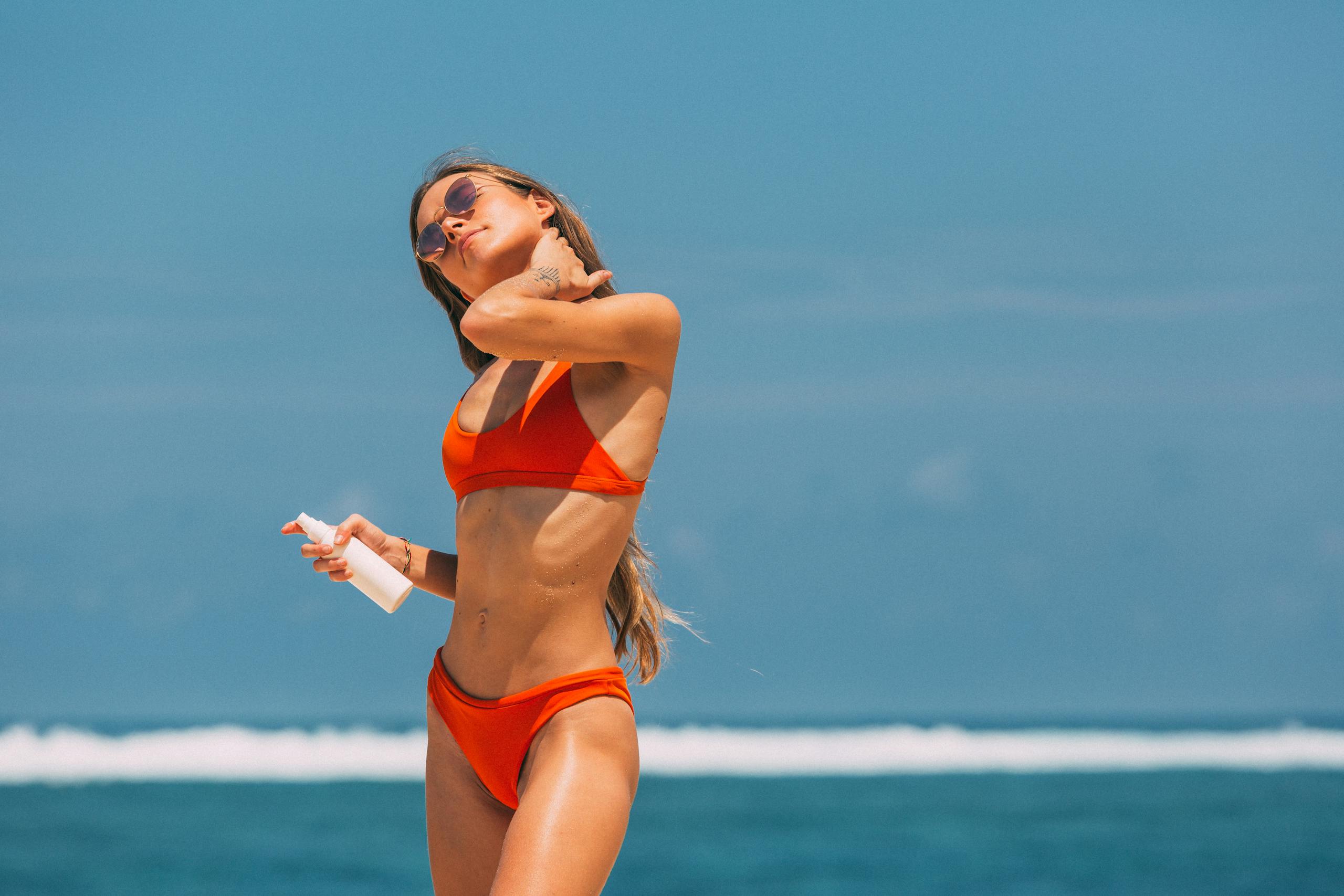
Cheap formulas get blamed first, but self tanner turns orange more often when the shade, base tone, skin surface, and wear time are out of sync. The same bottle can look balanced on one person and overly warm on another. If you can identify the visual pattern, you can usually trace it back to one specific mismatch and correct it.
Orange usually means a mismatch, not just a bad bottle
The false belief is simple: orange self-tan means the product is low quality. That sounds neat, but it is incomplete. A formula can be perfectly decent and still read too warm if it is too deep for your coloring, if dry zones grab more pigment, or if you leave it on longer than your skin needs.
What makes this confusing is that self-tan is not judged in the bottle. It is judged on a surface with its own undertone, texture, and level of dryness. A medium bronze mousse on balanced, neutral-toned skin may look believable. The same mousse on a drier surface with a warmer reaction pattern may look distinctly orange by the next morning. The issue is often match quality, not bottle quality.
That shift matters because it changes how you solve the problem. If you assume every orange result comes from a bad formula, you keep switching products without fixing timing, prep, or depth. A better approach is to ask what kind of orange you saw, where it showed up, and when it developed. Those clues usually point to the real variable.
What actually creates an orange cast during development
Dry areas pull more color than balanced areas
An orange cast often starts with uneven absorption. Rough or thirsty areas take in more formula because their surface is less even, which concentrates the color in those zones. When more color builds up on elbows, knees, ankles, hands, or around the knuckles, the result reads darker and warmer than the surrounding skin.
This is why one application can look smooth on the legs yet heavy at the joints. The product does not distribute with the same intensity everywhere. Dry patches act like color magnets, so the final finish is not just deeper there, but frequently more orange-looking because the warmth is compressed into a smaller, rougher area.
Residue adds another layer. If product sits in creases or around cuticles, those tiny pockets develop harder than flat skin does. What looks like a formula problem can actually be leftover excess that was never buffed away.
Base tone and undertone do not always agree
Color mismatch is the other major driver. A formula has a visible base tone, often described as golden, neutral, olive, violet, or ash-leaning. Your skin has its own undertone. Orange appears when the warmth of the formula sits too far above what your natural coloring can balance, so the tan reads separate from your skin instead of blending into it.
This is where marketing language can mislead. A shade labeled bronze may sound universal, but bronze can still lean very warm. On someone who runs cool, muted, or olive, that warmth can dominate quickly. The opposite also happens: a warm undertone can carry certain golden formulas well, while another person sees that exact shade turn pumpkin-like within hours.
Depth matters too. A deep tan with a neutral base may still appear orange if it overshoots your natural contrast level. What your eye interprets as orange is sometimes not a pure hue problem alone. It is a combination of too much saturation, too much depth, and too little harmony with your undertone.
Extra time and extra layers can push warmth too far
Development is not linear forever. More time does not always mean better color because the formula keeps processing, which can push warmth beyond the point where the tan looks believable. If the brand suggests a certain window and you stretch it far past that, the result may move from balanced bronze into heavier, warmer territory.
Layering can create the same issue for a different reason. The second or third coat does not land on a clean, even base. It lands on existing color, leftover guide tint, and any slightly uneven fading from previous days. That stack increases depth quickly, and once depth rises too fast, warmth becomes more obvious.
Overnight wear is not automatically wrong, and reapplication is not automatically bad. The problem appears when you combine a deep formula, a long development window, and frequent full-body coats. Each variable adds intensity, and the cumulative effect can push the finish away from realistic and toward orange.
Not every "orange" self-tan problem is the same
| What you see | What it usually means | Best adjustment next time |
|---|---|---|
| Warm orange cast across most of the body | The formula base or depth is too warm or too dark for your undertone | Move to a lighter depth or a more neutral or olive-leaning formula, and shorten development time |
| Orange only on elbows, knees, hands, ankles, or feet | Dry areas absorbed more product or held residue in creases | Use a lighter buffer on those zones, apply less product, and wipe excess from folds and knuckles |
| Darker, warmer color the day after reapplication | New formula was layered over existing self-tan and uneven fading | Remove old buildup first, then refresh with a gradual formula instead of another full coat |
| The tone looks too intense but not distinctly orange | The shade depth is simply too deep for the result you want | Switch from dark to medium or gradual, and apply one controlled coat instead of chasing maximum depth |
| Orange tone appears mainly after very long wear or sleeping in it | The development window ran too long for the formula and your skin response | Rinse earlier and test your best wear time instead of assuming longer equals better |
Where the orange shows up usually tells you the cause
Hands, elbows, knees, ankles, or feet
If the orange is concentrated on joints or extremities, the pattern is usually absorption-driven, not bottle-driven. These are the driest, roughest areas, and they collect more product than broad, smoother zones like the thighs or torso.
The most likely cause is a combination of texture and residue. A heavy coat, skipped buffering, or excess sitting around nails, creases, and bone points can develop into darker, warmer patches.
The correction should be targeted rather than dramatic. Apply a very light layer of a bland moisturizer to those zones first, use less self-tan there than you think you need, and finish by wiping knuckles, nail edges, heels, and deep folds with a dry towel or clean mitt. That last pass often matters more than adding more prep products.
A warm cast across the whole body
When the entire result reads orange, the issue usually sits higher up the chain. The formula may lean too golden, or the chosen depth may be too strong for your undertone and natural contrast.
This all-over warmth can fool people into thinking they need more blending skill. Usually they do not. If the color is evenly distributed yet still looks off, application technique is not the main problem.
The better correction is to reduce one major variable at a time. Start by dropping down a shade depth or moving from a warm bronze description to a neutral or olive-leaning one. If you already like the formula, keep the product but shorten the wear window. A controlled rinse often restores balance faster than a brand switch.
Orange after applying over fading self-tan
This pattern shows up when fresh product lands on a base that is no longer even. Old self-tan rarely fades in a perfectly uniform way, so the next coat develops over leftover patches, deeper islands of color, and drier edges.
The likely cause is buildup. New warmth stacks on top of old warmth, and the uneven base makes the color appear muddier and more orange than it would on clean skin.
The fix is not another strong layer to even it out. Remove or reduce the old color first with a thorough shower, gentle exfoliation, or a tan-removal step designed for buildup. Then maintain with a gradual formula or a light lotion-based refresh instead of repeating full-strength applications back to back.
Too warm only after an overnight or extended development
If the tan looks fine at first but turns too warm after a long wear time, the clock is the clue. The formula kept developing beyond the point where the tone still matched your skin well.
The cause is straightforward: more processing created more depth, and more depth made the warmth easier to see. This is especially common with darker mousses, rapid formulas left on too long, or multiple coats worn overnight.
The correction is timing, not panic. Test shorter windows in small increments until you find the point where the color looks balanced rather than maximized. Many people get a better finish by rinsing at four to six hours than by stretching for eight or more. Better-looking self-tan is often the result of less time, not more product.
A prevention routine that keeps the tone believable
Start with a smoother, more even canvas
First, create a surface that will not overreact in dry spots. That means dealing with roughness before application day rather than trying to rescue it with extra product afterward. Exfoliate in a measured way, not aggressively, and pay attention to the areas that usually turn too dark: ankles, knees, elbows, and hands. Then let the skin settle so the surface is calm and even rather than freshly scrubbed and inconsistent.
Next, keep hydration strategic. You do not need to coat your whole body in rich cream right before tanning. You do need a small buffer on the places that pull too much color. A light layer on joints, around nails, and on heels creates a more controlled landing zone, while the rest of the body can stay clean and product-free so the formula develops evenly.
Finally, make your tools do part of the precision work. A mitt spreads mousse or lotion more evenly than bare hands, and a smaller blending tool helps around wrists, ankles, and feet where buildup tends to happen. Prevention starts before the color develops, because the surface determines how that color will read later.
Choose depth and base tone more carefully
Second, match the formula to the result you actually want. If you often think self tanner turns orange on you, chasing a dark shade is rarely the smartest first move. A medium or gradual product gives you more room to stop at believable color instead of overshooting into visible warmth.
Texture matters here as well. Mousses often build faster and show stronger payoff quickly, which is useful if you already know your match. Lotions and gradual formulas usually offer a slower climb, making them easier for readers who run warm-prone or who want to test tone without committing to deep color in one session. Neither texture is automatically better. The right one depends on how much control you need.
Then look at base tone language with more skepticism. Warm, golden, and bronze can suit some complexions beautifully, but they are not universal. If you skew cool, muted, or olive, a neutral or olive-leaning formula often looks more integrated. If you tend to feel washed out by very ashy tones, a balanced golden base may read healthier without turning overtly orange. The goal is not the darkest option on the shelf. It is the shade that disappears into your coloring instead of sitting on top of it.
Control the first application, then maintain lightly
Third, make the first coat deliberate. Apply in thin, even passes, and use noticeably less product on hands, feet, ankles, knees, and elbows than on larger areas. Build with restraint. You can always add a little color later, but it is hard to reverse an overly warm first layer once it has fully developed.
After that, respect the brand’s intended development range and treat it as a starting point, not a challenge. If a formula offers a broad window, test your best result somewhere in the middle before defaulting to overnight wear. A shorter, cleaner development often preserves a more realistic tone.
Maintenance should also stay light. Instead of stacking repeated full-strength coats over fading color, refresh with a gradual self-tanner, a diluted lotion approach, or spot corrections only where needed. That keeps the finish even and lowers the chance of warmth building faster than balance.
A pro-level result usually looks less dramatic in the bathroom than people expect. The best sign you matched the variables correctly is not that the tan looks maximized on day one. It is that by day three, the tone still looks like it belongs there.