
Does Oil Make You Tan Faster? Basic Oils vs Accelerators, Explained
You’ve seen someone with a deep, even tan and they’re holding a bottle of tanning oil. Maybe someone recommended it to you. Maybe you’ve just been curious whether it actually does anything or whether the packaging is doing most of the work.
The honest answer is somewhere in the middle, and it’s more specific than most guides make it sound.
Short answer: Yes, but not the way most people think. Tanning oil doesn’t create color on its own. It makes each minute in the sun produce more color. The difference shows after a few sessions, not instantly.
When tanning oil makes a real difference:
- You already have some base color built up
- UV index is moderate, around 3 to 5
- Sessions are timed correctly, morning rather than midday
When it doesn’t move the needle much:
- No base at all, first time in the sun this season
- Peak midday sun where intensity is already high
- Poor prep or chronically dry skin surface
If you’re not getting any color at all regardless of what you use, that’s a different problem entirely. The why am I not getting tan article covers what’s actually blocking results in that case.
How tanning oil changes what happens at the skin surface
The mechanism isn’t complicated once you see it clearly.
Your skin absorbs UV from the sun. But a lot of that UV scatters before it reaches the melanocytes, the cells that produce the pigment responsible for color. Tanning oil creates a layer on the surface that concentrates UV instead of letting it disperse. More UV per square centimeter of skin, in the same amount of time, without extending the session.
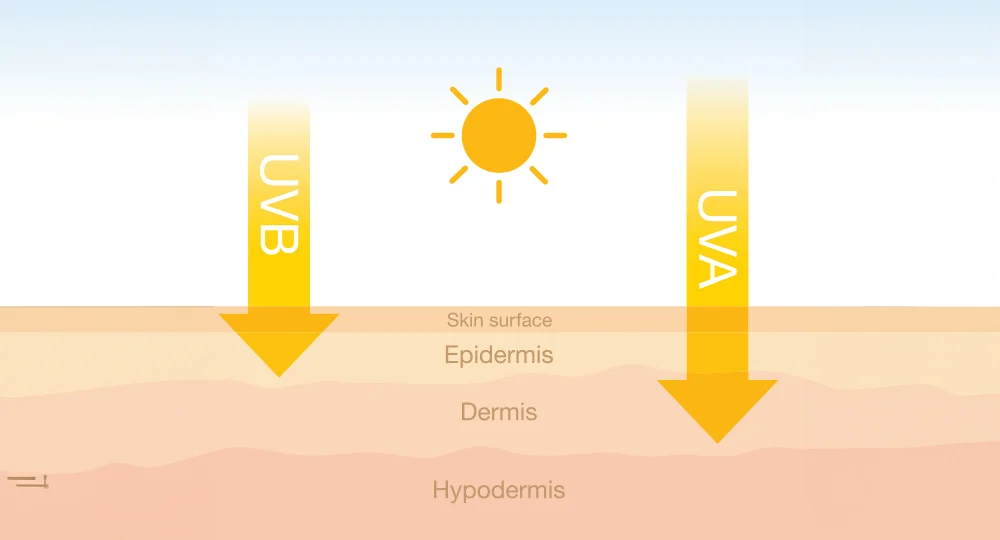
Think of it like the difference between reading in a dim room versus under a focused lamp. The words are the same. The intensity reaching your eyes is not. The oil does the same thing with UV, it focuses what’s already there.
Some oils go further than that. Basic formulas, mineral oil, coconut oil, that kind of thing, work purely through that physical concentration effect. The more sophisticated accelerators contain ingredients like tyrosine, beta-carotene from carrot extract, or proprietary amino acid complexes that also stimulate melanin production at the biological level. The result from those isn’t just faster, it’s noticeably deeper.
Not all oils work the same way
This is the gap most guides skip over entirely, and it matters.
A bottle of regular coconut oil from the kitchen does concentrate some UV. It also moisturizes the skin, which helps color develop more evenly. But it doesn’t do anything to accelerate how the skin produces pigment. The output is modest.
A formula like Maui Babe contains Kona Coffee Plant Extract, which activates the tyrosinase enzyme, a key step in the melanin production chain. The Fox Tan uses a proprietary complex with acetyl tyrosine and ATP. These aren’t just oils. They’re working upstream in the process that creates color, before UV even triggers the response.
The difference between those two categories isn’t marginal. It’s visible in how the skin looks the next morning. For anyone who has tried a basic oil and felt underwhelmed, switching to a formula with actual accelerating actives is usually where the perception of tanning oil changes completely. The best tanning oil for a dark tan breaks down which formulas do what and why.
The same 30-minute session, two very different outputs
This is where the oil’s effect becomes tangible.
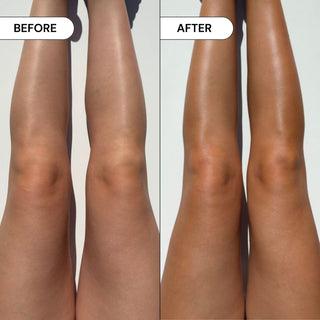
Take a 30-minute morning session at UV index 4. No oil: the skin receives UV, melanin production begins, some color develops over the following 24 to 48 hours. The result is a light warmth, maybe a slight shift in tone if you look carefully.
The same session with a quality accelerator: the UV concentration at the surface is higher, melanin production gets an additional biological push if the formula supports it, and the color that develops overnight is visibly more than the first scenario produced.
Without oil:
- Slower color response per session
- Lighter visible color the next day
- More sessions needed to build a noticeable base
With oil:
- Faster color response in the same time window
- Visible warmth and tone after fewer sessions
- Base builds more efficiently over two to three weeks
I noticed this clearly the first time I switched from just going out to using a proper accelerator. Same beach, same hour, same timing. The difference wasn’t dramatic after one session. But by the third session the color I had was deeper than what I’d usually have after five or six without it. That gap is what makes it worth using consistently.
What tanning oil will NOT fix
Worth being direct about this before expectations go sideways.
It won’t tan you without sun. No UV exposure means no color change. The oil has nothing to amplify. It is not a self-tanner and produces zero color indoors or in shade.
It won’t override your skin type. Everyone has a genetic ceiling on how dark they can get. The oil helps you reach that ceiling faster. It doesn’t move the ceiling.
It won’t fix bad timing. Using oil at noon on a high UV index day with fair skin amplifies everything, including the redness response. The oil concentrates UV in both directions. If the session was already going to push past your threshold, the oil accelerates that too. This is the most common way people have a bad first experience with tanning oil and conclude it doesn’t work for them.
It won’t give you more time outside. The goal is more color per minute, not more minutes. Session length should stay the same. The why do I burn instead of tan article covers what happens when people confuse these two things.
The biggest mistake people make with tanning oil
Using it for the first time on a long midday session with no base and expecting the oil to do all the heavy lifting.
The instinct makes sense. You want to maximize the effect, so you go out at peak UV, stay longer than usual, and use the oil on top of all of it. The result is almost always redness rather than color, because the oil amplified conditions that were already too intense for where the skin was that day.
The oil works best as an enhancer of a session that was already going to produce some color. Not as a rescue for a session that wasn’t.
Dry, unprepared skin makes it worse. The oil sits on top of dead surface cells rather than reaching the layer where color develops. Exfoliating 24 to 48 hours before a session changes the surface the oil is working on. The exfoliate before tanning article covers exactly why that timing matters.
When oil makes the biggest difference
The conditions where tanning oil produces the most noticeable change:
Existing base color. Skin that has already had a few sessions responds more strongly to the oil than skin that is starting from scratch. The melanocytes are already primed. The oil pushes a system that’s already running, rather than trying to start one cold.
Moderate UV. The sweet spot is a UV index between 3 and 5. In that range, the oil makes meaningful UV more productive than it would be alone. At higher indices, the UV is already intense enough that the oil’s concentration effect can push past what the skin handles well. The best UV index for tanning guide covers how to read conditions before a session.
Good prep and hydration. Moisturized skin holds color and absorbs product differently than dry skin. Both matter here. This is where most people notice the shift: same routine, same time outside, but noticeably more color showing up after a few sessions compared to before they started using oil.
How to use it so the session produces more
A few practical points that change the output without changing the session length.
Apply at home, not at the beach. The oil needs 5 to 10 minutes to absorb before UV exposure starts working through it. Arriving at the beach and applying it in the sun means the first part of the session runs without the oil doing its job.
If you’re using SPF, that goes first. Apply, wait 5 to 10 minutes for it to absorb, then apply the oil on top. The SPF sits closer to the skin, the oil works above it. Both functions work as intended in that order. For anyone unsure how SPF and tanning oil interact, the does sunscreen stop tanning article covers the practical tradeoffs clearly.
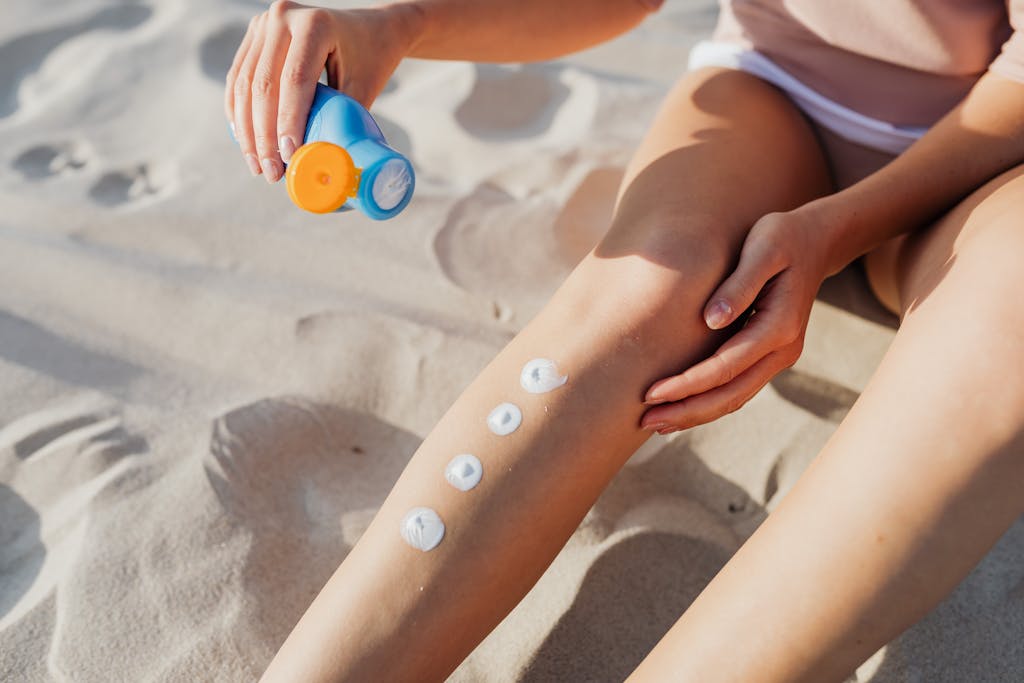
Don’t extend the session because you’re using oil. The temptation is to treat the oil as permission to stay longer. It isn’t. The goal is more color in the same window, not more window. The how to use tanning oil guide has the full protocol if you want the complete step-by-step.
What to expect and when
First session with oil and no existing base: a slight difference compared to without it. Perceptible the next morning if you look for it, but not dramatic.
After two or three sessions with a proper accelerator: a noticeable gap versus where you’d normally be at this point in the season. The color that usually takes five or six sessions to build is showing up faster.
With an established base: this is where the oil’s effect is clearest. The skin is already activated and the oil pushes it further per session than it would get there on its own. People who use tanning oil consistently tend to hold more color through the season than people using the same sessions without it.
The difference between a basic oil and a formula with real accelerating actives also becomes most visible at this stage. If you’ve been using coconut oil and it’s felt underwhelming, trying a tyrosine-based accelerator at this point usually changes the impression entirely.
What people get wrong about tanning oil
Both, but the mechanisms are connected. The oil concentrates UV at the skin surface, which speeds up how quickly melanin responds. The result is color that develops faster per session and builds to a deeper level than the same sessions without oil. The speed and depth come from the same effect.
Can you use tanning oil without sunscreen?
You can, but most tanning oils don’t contain SPF. In moderate UV and controlled sessions, some people go without it. For fair skin or longer sessions, applying SPF 15 to 30 first and the oil on top gives protection without blocking results. The does sunscreen stop tanning guide explains how different SPF levels affect color development.
Does coconut oil make you tan faster?
Slightly, but the effect is limited. Coconut oil can concentrate UV at the surface, which may speed up tanning a bit. It doesn’t contain ingredients that actively support melanin production, so the results are weaker compared to dedicated tanning oils with accelerators.
How many sessions before you see a difference with tanning oil?
With no base, the first session shows minimal change. Most people start noticing a clear difference after two to three sessions. If your skin already has some color, results appear faster, often by the second session. The key factor is whether your skin is already primed to respond.
Why does tanning oil make you tan faster?
Because it increases UV intensity at the skin surface. Instead of UV dispersing, the oil helps concentrate it, so more reaches the cells responsible for producing pigment. Some formulas also include ingredients that support melanin production, which further speeds up visible results.
GlowDrop Review: Do Drinkable Tanning Drops Actually Work?
Self-Tanner on Tattoos: How It Changes the Look of Healed Ink
How to Self-Tan Hands Without Orange Knuckles
Cyklar Self-Tanning Milky Essence Review: Who Is It For?
Melanotan II vs DHA Self-Tanner: What the Barbie Peptide Gets Wrong
Can You Use Retinol With Self Tanner? A Night-by-Night Schedule