
Cyklar Self-Tanning Milky Essence Review: Who Is It For?

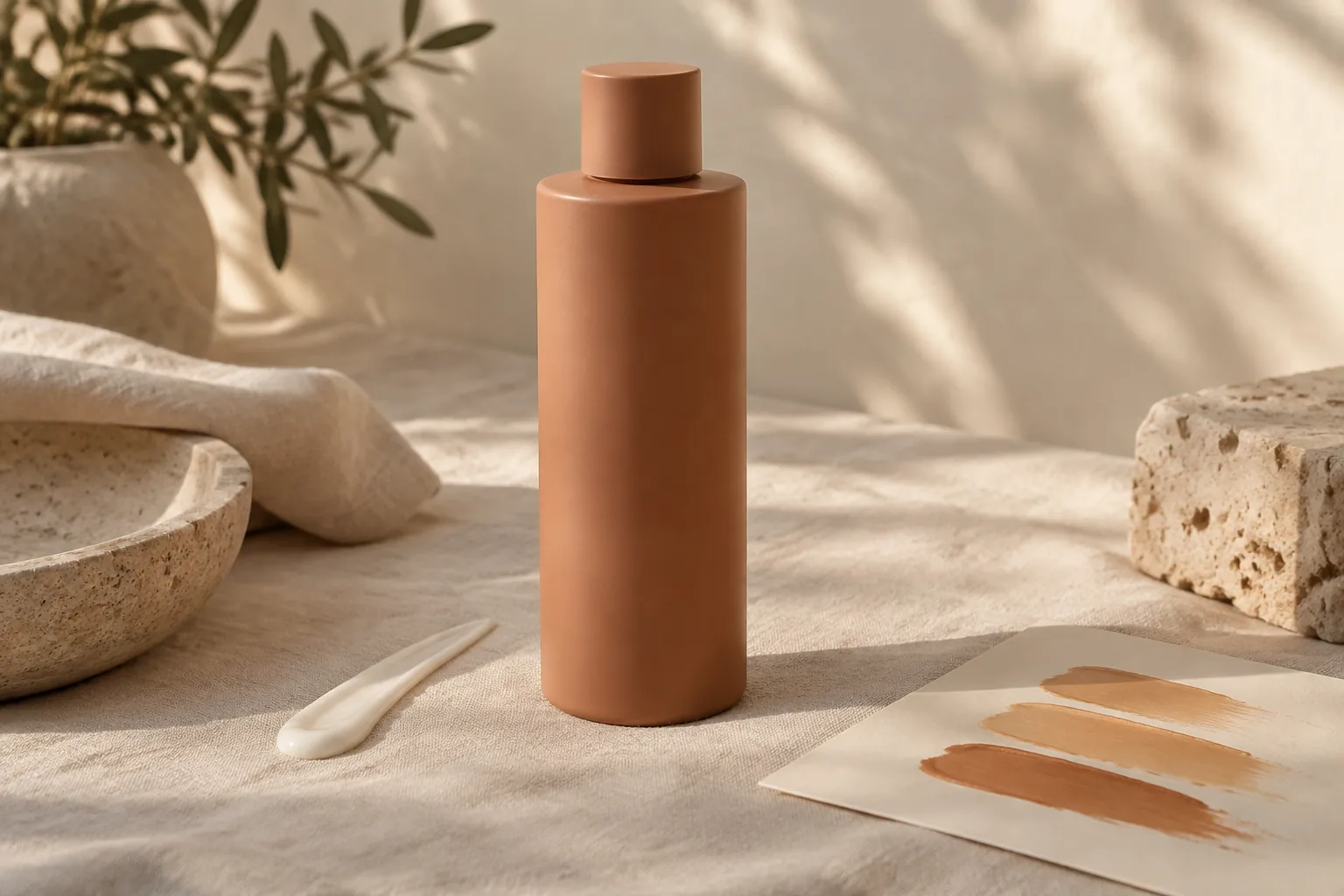
Cyklar Self-Tanning Milky Essence is a no-rinse body tanner with a skincare-like texture, two shades and no visible guide color. At $36 for 8 fl oz on Cyklar’s US site, I would buy it for an unhurried, buildable tan, not for the certainty of a bronzer-guided mousse. I have not tested this bottle. This is a comparison of the formula, Cyklar’s instructions and real wear reports, including a beauty editor’s test. Her before-and-after is hers, not mine.
What caught my eye wasn’t the usual promise of a glow. It was the way this product changes the application: you massage a milk directly into the skin with your hands, wash your palms and wait. No mitt, no rinse, no brown guide to check for missed spots. If you’ve used a clear self-tanner before, you know the convenience and the blind spot arrive together. Our B.Tan clear gel review discusses that blind spot: a comfortable texture is not a substitute for covering each section properly. A milk might be easier to spread, but I would still keep track of where it went.
What Cyklar actually sells
The official product page lists two versions: Light Medium for a lighter result and Medium Dark for deeper color or a deeper starting tone. The bottle is 8 fl oz / 236 mL. The US list price shown when I checked was $36; check the store again before buying, since prices change. Cyklar calls it fragrance-free and says the color develops in four to eight hours, reaching its full effect after 12. It recommends clean skin, exfoliation before application and a thorough hand wash afterward. This is not an instant bronzer for a last-minute plan.
DHA and erythrulose are the tanning ingredients. The other ingredients include glycerin, several ceramides, squalane, allantoin and papaya seed oil. That’s an interesting body-care base, but ingredient names do not tell me how a tan fades on a particular person. Nor does “fragrance-free” mean there can be no DHA smell as the color develops. One customer on Cyklar’s own site specifically mentions that familiar smell later on.
There is another small point I wouldn’t gloss over: although the cap dispenses onto clean skin, this isn’t a tanning drop that you measure into moisturizer. It is the full body product. If you want control over the number of drops and an existing cream, my DHA tanning-drops guide covers that different format. Trying to use the essence like drops would make the amount you apply harder to judge.
What the reviews tell us, and what they don’t
Cyklar currently displays 3.9 out of 5 from 154 reviews and says 70% would recommend it. That isn’t a clean sweep. Some visible reviews were marked gifted, so I read those with the disclosure in mind. Customers praise a lightweight feel and a subtle color; the spread of ratings tells me not everyone gets the same result. I would look at reviews for the shade you plan to buy rather than assume a rave for Light Medium predicts Medium Dark.
Who What Wear’s Kaitlyn McLintock applied the lighter shade by hand and left it on overnight. She reported an even, golden finish with no orange cast. She also says she already had some color before testing, which matters if you’re starting from much paler skin. Her practical complaint was the missing guide color: it won’t leave bronzer on sheets, but it’s harder to tell where you’ve blended. That is her wear test, not mine, and one successful overnight test cannot establish how long it lasts across skin tones or repeated applications.
Reviews sometimes describe this as “streak-free.” I would read that as an outcome some people got, not a property of a bottle that removes the need to apply it evenly. When I review clear formats, the question is what they ask from the person holding them. For someone who will work one limb at a time, the lack of rinse and guide-color transfer is appealing. For someone who likes to see every pass, a tinted mousse still has a job.
How I would apply the milk
I would prep the day before, paying attention to dry elbows, knees and ankles rather than attacking the whole body with a scrub right before tanning. My night-before prep routine explains that timing. Then I would lay out the bottle and good lighting before starting. Clear product makes it too easy to get interrupted halfway through an arm and forget which patch is done.
- Start with one shade and one thin layer. Light Medium is the cautious choice if you want to judge the finish before building; use Cyklar’s shade descriptions to decide based on your own starting tone.
- Work in named sections. One lower leg, then the other, upper legs, torso, each arm. Smooth to the boundary of the previous section rather than adding a heavy second pass where they meet.
- Ease off on dry joints. Use less around the elbows and knees, then sweep any remaining product gently over ankles. My patchy self-tan guide shows why those spots often grab more color.
- Wash hands thoroughly. Cyklar specifically instructs this. Get the palms, finger webs and nails without splashing fresh tan on the wrists. Finish the backs of the hands separately if needed.
- Wait for the real result. The brand says four to eight hours of development, full effect after 12. I wouldn’t layer again while guessing what an invisible first coat will become.
That routine follows the product instructions and our clear-tanner application guides. It is not a Cyklar wear test. If your usual tan is an express mousse, notice that “no rinse” also means you aren’t controlling the final depth by washing off a guide at one or three hours.
Milky essence or mousse?
I would keep a familiar guide-color mousse for a time-sensitive occasion. You can see where the mousse landed; a milk asks for trust and patience. The essence makes more sense when you’re doing a calm evening application, dislike a bronzer rubbing onto clothes and want a lighter, buildable-looking finish. At the $36 brand-store price I checked, the question isn’t whether the ingredient list sounds luxurious. It’s whether the easier cleanup is worth more than your current routine costs. The Amazon US card below currently shows a lower $32 listing for Light Medium; both prices can change, so check the variant, seller and total before buying.
There’s no honest way to rank its fade against another mousse without using this bottle for several days. McLintock’s overnight result answers the next-morning color question, not a day-five fade question. For now, that’s the missing test that would change my verdict. I would also want to see whether the stronger shade stays even at wrists and ankles before calling it a replacement for a guided tan.

The milk format changes the trade-off
The milky essence sits between two familiar routines: a tinted mousse that tells you where you’ve been, and a gradual body lotion that asks you to come back for another pass later. Cyklar’s own language calls this a milky essence, but the full color still develops over hours. I would not treat “milky” as code for “weak.” Medium Dark exists for a reason. The useful distinction is the way it goes on: direct hand application, no tint to rinse away, and a body-care ingredient list.
With a guide mousse, the wrist shows where product has crowded before leaving the bathroom. With this clear milk, I would have to notice the amount and how far it spreads. Who What Wear’s editor worked from feet upward, one limb at a time, and washed her hands at the end. That section-by-section approach fits the method in our clear-gel review too, even though a gel and a milk will not feel identical. The product page doesn’t give a per-limb dose, so I won’t invent one. Start with enough to spread in a thin layer, note how much you use, and keep both sides consistent.
“No guide color” also needs a careful reading. It means you avoid the brown cosmetic bronzer that can rub onto clothes before a rinse. It doesn’t mean the developed DHA color can never leave uneven patches, or that you can dress immediately without following the bottle. Cyklar’s directions name development time, not a guaranteed dry-to-touch minute count. If getting dressed on a tight schedule is your deciding factor, check that practical detail from current buyers rather than treating an editor’s comfortable application as a measured dry time.
Which shade would I choose?
Light Medium and Medium Dark are the only two shades listed on Cyklar’s US page. Their labels are about starting skin tone and target depth, not two different fragrances or bottle sizes. For an initial test on lighter skin, Light Medium makes the resulting depth easier to judge. If your starting skin tone is deeper or a stronger result is the point, Medium Dark is the version Cyklar describes for you. I would still apply one even layer first rather than double the amount because a review photo looks deeper than expected.
Photos are tricky evidence here. Light changes the appearance of a tan; a reviewer may already have color underneath; and some photos are taken immediately while others show the next morning. McLintock says she started with some existing tan. Her lighter-shade result is encouraging for the look she wanted, but I would not use it to promise that Light Medium will show equally on every skin tone. The brand’s 3.9/5 overall score combines both shade versions. If I were buying, I would filter customer feedback for my starting tone, the same shade, and a clear description of the time after application.
There is no reason to use the darker shade merely to save time or product. More depth is not the same as easier application. As an application choice, a lighter first coat makes missed borders less punishing. That is a format judgment; Cyklar’s shade results still need testing.
What might go wrong on a first pass?
The first risk is a missed strip because there is no visible map of the skin you have covered. Work in bright, even light and complete a section before answering your phone or getting dressed. Don’t chase a damp patch with another large dose; the second coat can become the only place that looks noticeably dark tomorrow. If you cannot remember which arm section is done, let the layer settle and inspect the developed result rather than pouring more on by instinct.
The second risk is an obvious transition at the wrist, ankle or knee. Dry joints can take up more color, while the skin right beside them stays pale if you stop abruptly. I blend a thinner amount across those boundaries when using self-tanner generally. A small moisturizer barrier on dry parts may help with some formulas, but the Cyklar page does not give a separate joint-specific protocol. I would follow the brand’s basic clean-skin directions and test a restrained first layer before customizing the prep.
Finally, don’t confuse a no-rinse format with a no-wash-hands format. The company explicitly says to wash hands thoroughly. If you want the backs of your hands to match your forearms, finish them deliberately after cleaning the palms, with only a small amount. Our body application guide separates the large zones from the hands, where extra product is easier to spot.
What would make this a full wear review?
A first-person wear verdict would require the bottle, a known starting shade and photos under comparable light across several days. I would want to note how much product one full-body application uses, whether clothes pick up any residue, whether the usual DHA scent appears overnight, how hands and ankles develop, and where the color starts to fade. I’d test the two shades separately rather than pretend they’re interchangeable. None of those outcomes can be recovered from a formula list.
For now, the evidence is narrower. Cyklar establishes the ingredients, shades, price and directions; its customer reviews show varied reactions; McLintock supplies one documented independent overnight result. Together, they let me decide who might find the format useful, but not write “I wore it for a week” or rank its fade against products with documented wear results. I will update this verdict if a proper wear test changes it.
My verdict before a hands-on test
Worth considering if your main annoyance is rinsing off guide color and you enjoy a lotion-like body routine. Not my first pick if you need to see placement, want deep color fast or shop by the lowest cost per application. The ingredient list and editorial wear test make Cyklar interesting; they don’t turn my first impression into a personal review. Choose the shade deliberately, give the color its full development window, and judge it in daylight before committing to a second layer. As always, a cosmetic tan is not sun protection.
Sources: Cyklar’s product details and customer reviews; Kaitlyn McLintock’s wear test at Who What Wear.
Peta Jane Self Tanner Review: Does the Allure-Winning Mousse Actually Deliver?
GlowDrop Review: Do Drinkable Tanning Drops Actually Work?
Self-Tanner on Tattoos: How It Changes the Look of Healed Ink
How to Self-Tan Hands Without Orange Knuckles
Melanotan II vs DHA Self-Tanner: What the Barbie Peptide Gets Wrong
Can You Use Retinol With Self Tanner? A Night-by-Night Schedule